In our fast-paced world, where schedules are packed and responsibilities often outweigh leisure, the value of creativity can sometimes be overshadowed.
Yet, the act of creating—whether through art, music, writing, or even cooking—offers a refreshing escape and a unique pathway to learning.
Engaging with creativity not only enriches our lives but also deepens our understanding of ourselves and the world around us.
The beauty of learning through creativity lies in its ability to transcend traditional boundaries. When we immerse ourselves in a creative endeavor, we often find that the lessons we learn are not confined to the task at hand. Instead, creativity opens doors to new perspectives and insights that can shape our thinking and problem-solving abilities in unexpected ways. For instance, a simple painting session can teach us about color theory, but it can also encourage patience and the acceptance of imperfection.
Embracing creative activities fosters a sense of curiosity that can lead to personal growth. The act of creating invites exploration, allowing us to experiment with ideas and techniques without the fear of failure. This exploration is fundamental to learning, as it encourages us to ask questions and seek answers. When we engage in creative processes, we often find ourselves navigating challenges that require critical thinking and adaptability. These skills are invaluable not only in artistic pursuits but also in everyday life.
Creativity also serves as a bridge between our emotions and our intellect. When we express ourselves through creative outlets, we tap into our feelings in a way that can sometimes be difficult with words alone. This emotional connection can deepen our understanding of our own experiences and foster empathy towards others. For example, writing a personal story or creating a piece of music can help us process our emotions and reflect on our journey. In this way, creativity becomes a powerful tool for self-discovery and connection.
A small shift toward balance can be achieved by incorporating creative activities into our daily routines. This doesn’t mean we need to dedicate hours to artistic pursuits; rather, finding small pockets of time to engage in something creative can have a significant impact. Perhaps it’s doodling during a coffee break, trying a new recipe after work, or even journaling for a few minutes before bed. These moments of creativity allow us to step away from our obligations and immerse ourselves in an experience that nurtures our spirit.
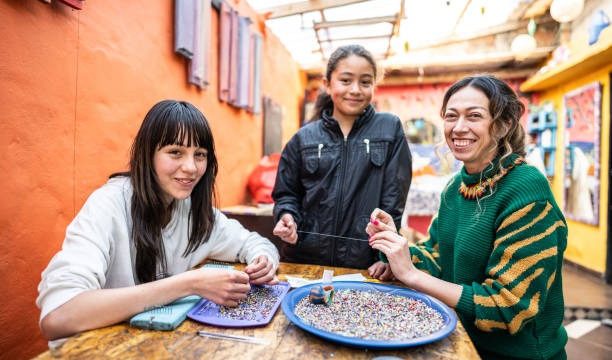
The communal aspect of creativity should not be overlooked either. Engaging with others in creative endeavors can enhance the learning experience and foster a sense of belonging. Whether through a community art class, a book club, or simply collaborating with friends on a project, sharing creativity can lead to meaningful connections. These interactions can inspire us, provide new ideas, and even challenge our perspectives in a supportive environment.
As we explore learning through creativity, it’s important to remember that the journey is often as valuable as the end result. This notion is especially relevant in a world that frequently emphasizes achievement and productivity. When we focus solely on outcomes, we may miss the joy and insights gained from the process itself. Allowing ourselves to enjoy the act of creating—regardless of the final product—can cultivate a sense of fulfillment and joy that enriches our lives.
The relationship between creativity and learning also extends beyond personal development; it can influence how we engage with the world around us. Creative thinking encourages us to approach problems from different angles, fostering innovation and adaptability. In our professional lives, for instance, adopting a creative mindset can lead to breakthroughs and fresh ideas that drive progress. Companies that value creativity often find that their teams are more engaged and motivated, leading to a more dynamic work environment.
While the benefits of creativity in learning are clear, it is essential to recognize that everyone has their own unique creative expression. What resonates with one person may not resonate with another, and that’s perfectly okay. The key is to explore various forms of creativity until you find what feels right for you. Whether it’s painting, writing, dancing, or crafting, the important thing is to engage with the process in a way that feels authentic and fulfilling.
Finding time for creativity can sometimes feel like an added burden in our busy lives. However, viewing it as a necessary component of self-care can shift our perspective. Just as we prioritize physical health and mental well-being, nurturing our creative side can lead to a more balanced and enriched life. After all, creativity is not just a luxury; it’s a vital aspect of our humanity that deserves attention and care.
In conclusion, learning through creativity invites us to engage with the world in a way that is both enriching and fulfilling. It encourages exploration, fosters emotional connections, and enhances our ability to think critically and adaptively. As we navigate our busy lives, let us strive to carve out time for creativity, allowing it to illuminate our paths and deepen our understanding of ourselves and others. Embrace the journey of creation, and you may discover that the lessons learned extend far beyond the canvas, page, or stage.