A Place for Every Child to Belong
In a world that often feels divided, the simple idea of belonging can be a beacon of hope, especially for children.
Every child deserves a safe haven where they can express themselves freely, explore their identities, and grow into their full potential.
The journey toward creating a space where every child feels they belong is one that requires warmth, understanding, and a commitment to nurturing community.
Understanding belonging begins with recognizing the unique tapestry of childhood experiences. Each child comes with their own story, shaped by family dynamics, cultural backgrounds, and personal challenges. These factors influence how they see themselves and how they connect with others. As caregivers, educators, and community members, it is essential to foster an environment that honors these differences while uniting children under the common thread of shared experiences.
Creating spaces that foster belonging can begin in the simplest of places: our homes. Family gatherings, whether they are large or small, can be transformed into opportunities for children to feel seen and heard. Simple practices, like asking about their day or encouraging them to share their thoughts and dreams, can create a foundation of trust. It’s about building a sense of security where they know their voices matter.
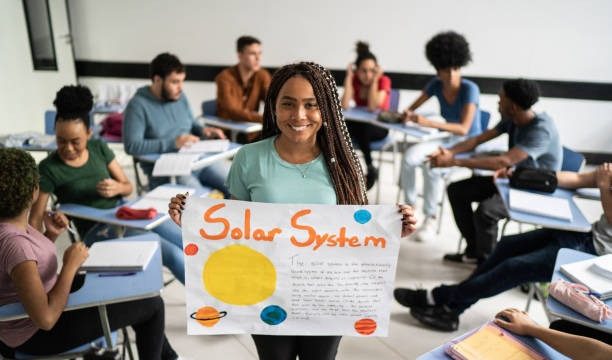
When children feel accepted at home, they are more likely to carry that sense of belonging into other areas of their lives, such as school and community. Classrooms can be transformed into inclusive spaces where diversity is celebrated. Educators play a crucial role in this transformation by implementing inclusive teaching practices that cater to different learning styles and backgrounds. A classroom that encourages collaboration, empathy, and respect allows children to see each other as valuable contributors to their shared environment.
One gentle shift toward balance can be found in recognizing the importance of emotional intelligence. Teaching children to understand and manage their feelings is vital in helping them navigate relationships with peers. Activities that promote teamwork and communication, such as group projects or cooperative games, can help children learn the significance of supporting one another. These experiences lay the groundwork for friendships that extend beyond the classroom walls.
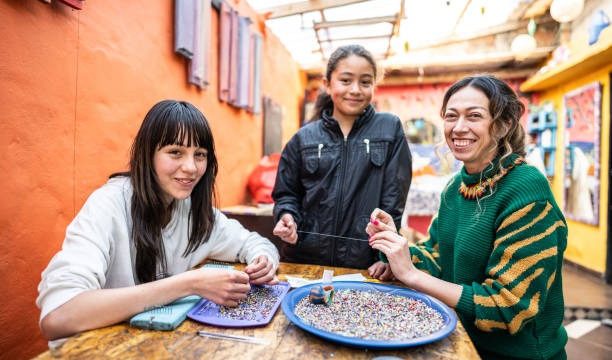
In addition to schools, community organizations can serve as vital support systems for children seeking belonging. Youth clubs, sports teams, and art programs provide avenues for children to connect with peers who share similar interests. These spaces can be particularly impactful for children who may feel isolated or different. By participating in activities that resonate with their passions, children can forge connections that affirm their identities and help them feel valued.
A nurturing community is also one that actively listens to children’s voices. Creating forums for children to express their thoughts, whether through art, writing, or discussion, empowers them to share their perspectives. When children see that their opinions matter, it reinforces their sense of belonging. Community leaders and parents can work together to establish platforms where children feel comfortable sharing their ideas, fostering a culture of inclusion and respect.
As we explore the concept of belonging, it’s essential to recognize the role of technology in children’s lives. In today’s digital age, online spaces can serve both as a refuge and a source of anxiety. Encouraging children to engage positively with technology can help them find communities that resonate with their interests. However, it’s equally important to discuss the challenges that can arise from online interactions. By guiding children on how to navigate these spaces safely, we can help them foster meaningful connections while remaining grounded in their real-life relationships.
In addition to focusing on connections, we must also emphasize the importance of self-acceptance. Children need to learn that it’s okay to be different. Encouraging them to embrace their unique qualities and talents can help build resilience and confidence. When children feel secure in their identities, they are more likely to contribute positively to their communities.
A vital aspect of belonging is also about creating a culture of kindness. Teaching children the value of empathy and understanding can profoundly impact their interactions with others. Small acts of kindness can create ripples, inspiring children to be more compassionate and supportive. Whether it’s reaching out to a new classmate or standing up for someone being bullied, these moments can shape a child’s understanding of belonging.
Ultimately, fostering a place for every child to belong is an ongoing journey. It requires continuous reflection, adaptation, and a willingness to learn from one another. As we strive to create inclusive environments, let us remember that every child is deserving of love, respect, and a sense of belonging. By nurturing these values within our families, schools, and communities, we lay the groundwork for a brighter future—one where every child can flourish in their unique way.
As we move forward, let us embrace the notion that belonging is not merely a destination but a journey we embark on together. Every interaction, every conversation, and every moment of understanding contributes to a larger tapestry of connection. In celebrating each child’s individuality, we enrich our communities and create a world where everyone feels seen, heard, and valued. With a little kindness, patience, and love, we can ensure that every child finds their place in this beautiful mosaic of life.