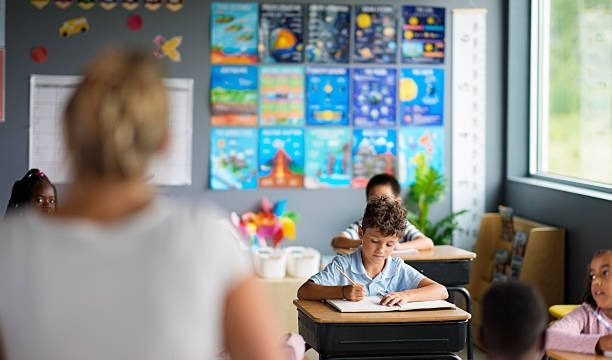
Teaching is an art that combines knowledge, passion, and a deep understanding of how students learn.
In a world where information is readily available, the challenge lies in making that information resonate with students.
Effective teaching techniques can create an environment where students not only absorb knowledge but also understand and apply it in their lives.
Let’s explore some thoughtful approaches that can enhance student understanding and engagement.
Creating a nurturing environment
The atmosphere in a classroom plays a fundamental role in how students learn. A nurturing environment fosters trust and encourages open communication. When students feel safe to express their thoughts and questions, they are more likely to engage with the material. Teachers can cultivate this environment by being approachable and showing genuine interest in their students’ well-being.
Incorporating collaborative learning experiences is another way to build a supportive classroom. Group projects and discussions allow students to learn from one another, share different perspectives, and develop critical thinking skills. When students collaborate, they not only deepen their understanding of the subject matter but also build social skills that are essential for their future.
Encouraging curiosity and questions
Curiosity is a powerful catalyst for learning. When students are encouraged to ask questions, they take ownership of their education. Teachers can nurture this curiosity by creating opportunities for exploration. Instead of merely delivering information, they can pose thought-provoking questions that inspire students to think critically and seek answers.
One effective method is to integrate inquiry-based learning into the curriculum. This technique allows students to investigate topics of interest, conduct research, and present their findings to the class. By giving students the freedom to explore subjects that captivate them, educators can ignite a passion for learning that extends beyond the classroom.
Adapting to diverse learning styles
Every student is unique, with their own learning preferences and strengths. Recognizing and accommodating these diverse learning styles is essential for effective teaching. Some students may excel in visual learning, while others might thrive through auditory or kinesthetic methods. By incorporating a variety of teaching techniques, educators can reach a broader audience and ensure that all students have the opportunity to grasp complex concepts.
For instance, using multimedia resources such as videos, diagrams, and interactive activities can cater to different learning styles. A lesson on the water cycle could include a short documentary, a hands-on experiment, and a creative drawing activity. This multifaceted approach not only keeps students engaged but also reinforces their understanding through various channels.
Fostering a growth mindset
Embracing a growth mindset can transform the way students perceive challenges and setbacks. When students believe that their abilities can be developed with effort and practice, they are more likely to take risks and persevere through difficulties. Teachers can promote this mindset by celebrating effort rather than just outcomes, praising students for their hard work, and encouraging them to learn from mistakes.
Creating a classroom culture that values resilience and persistence can lead to deeper understanding and motivation. When students see challenges as opportunities for growth, they are more inclined to engage with the material and push their boundaries. This shift in perspective can make learning a more fulfilling and enriching experience.
Integrating real-world applications
Connecting classroom learning to real-world applications can significantly enhance student understanding. When students see the relevance of what they are learning, they are more likely to engage with the material. Teachers can bridge the gap between theory and practice by incorporating examples from everyday life, current events, or even career paths related to the subject matter.
For instance, a lesson on mathematics could include practical applications in fields like engineering or finance. By illustrating how math is used in various professions, students can better appreciate the subject’s importance and develop a deeper understanding of its concepts. This connection not only motivates students but also equips them with skills they can use beyond the classroom.
Emphasizing reflection and self-assessment
Reflection is a powerful tool for deepening understanding. Encouraging students to reflect on their learning experiences helps them identify what they have grasped and what they still find challenging. Teachers can facilitate this process by incorporating reflective exercises, such as journals or group discussions, where students can share their thoughts and insights.
Self-assessment is another valuable practice that promotes student agency in their learning journey. By allowing students to evaluate their progress and set personal goals, teachers empower them to take charge of their education. This approach fosters a sense of responsibility and encourages students to strive for continuous improvement.
Building strong relationships
At the heart of effective teaching lies the importance of relationships. Building strong connections with students can significantly enhance their learning experience. When educators take the time to understand their students’ backgrounds, interests, and aspirations, they can tailor their teaching methods to better suit individual needs.
Positive relationships also create a sense of belonging, which is crucial for student engagement. When students feel valued and respected, they are more likely to participate actively in class discussions and activities. Taking moments to connect with students on a personal level—whether through casual conversations or check-ins—can go a long way in fostering a supportive learning environment.
In conclusion, effective teaching techniques are not just about delivering content; they are about creating meaningful connections with students and fostering an atmosphere of curiosity and exploration. By nurturing a supportive environment, adapting to diverse learning styles, and emphasizing real-world applications, educators can significantly enhance student understanding. As we embrace these approaches, we can inspire the next generation of learners to not only absorb knowledge but also to thrive in their educational journeys.