Encouraging Student Voice Through Effective Teaching
In today’s fast-paced educational landscape, fostering an environment where students feel empowered to express their thoughts and ideas is more important than ever.
Encouraging student voice is not merely about allowing students to speak; it’s about creating a culture of respect, engagement, and collaboration.
When students are given the opportunity to share their perspectives, not only do they become more invested in their learning, but they also develop essential skills that will serve them well beyond the classroom.
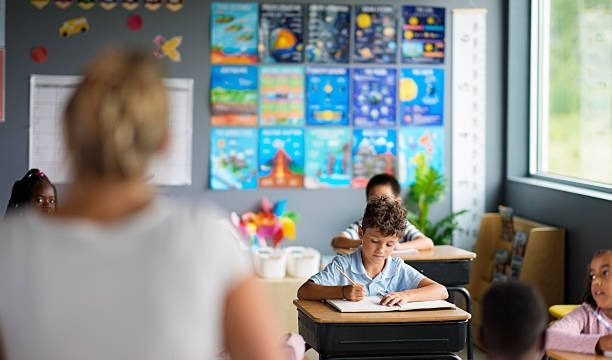
Creating an inviting atmosphere for student expression begins with the classroom environment itself. Imagine stepping into a space where the walls are adorned with student artwork and projects that reflect their interests and achievements. This kind of environment sends a powerful message: every voice matters. When students see their contributions valued, they are more likely to participate actively in discussions and share their ideas.
One effective way to cultivate this atmosphere is through open dialogue. Teachers can initiate conversations that invite students to contribute their thoughts on various topics, whether related to the curriculum or their personal experiences. By asking open-ended questions and encouraging students to elaborate on their responses, educators can tap into the rich tapestry of ideas that each student brings to the table.
A small shift toward balance can make a significant difference. Rather than dominating discussions, teachers can adopt a facilitative role, guiding conversations while allowing students to take the lead. This approach encourages students to listen to their peers, fostering a sense of community and collaboration. By modeling active listening and respectful communication, educators can inspire students to engage with one another more meaningfully.
Moreover, integrating student choice into the learning process can be a game-changer. When students have a say in what they learn and how they demonstrate their understanding, they become more invested in their education. This could be as simple as allowing students to choose project topics or select books for reading assignments. Providing choices not only nurtures their interests but also encourages them to take ownership of their learning journey.
Incorporating student feedback into lesson planning is another vital aspect of encouraging student voice. Regularly seeking input on what works and what doesn’t can help educators tailor their approaches to better meet the needs of their students. This could involve informal surveys, suggestion boxes, or even class discussions focused on improving the learning experience. When students see that their feedback leads to tangible changes, they are more likely to feel valued and respected within the classroom community.
Creating opportunities for collaboration is also essential in amplifying student voice. Group projects and cooperative learning activities allow students to work together, share ideas, and learn from one another. These interactions not only enhance their social skills but also provide a platform for quieter students to express themselves in a less intimidating setting. Encouraging diverse groups to collaborate can lead to richer discussions and a deeper understanding of the material.
As educators strive to encourage student voice, it’s important to recognize and celebrate the uniqueness of each student. Every individual comes with their own background, experiences, and perspectives. By acknowledging these differences, teachers can create a more inclusive environment where every student feels comfortable sharing their thoughts. This can be achieved through culturally responsive teaching practices, which validate and incorporate students’ diverse backgrounds into the curriculum.
Another way to support student voice is by integrating technology into the learning process. Digital platforms can provide students with alternative avenues for expression, whether through blogs, podcasts, or video projects. These tools can empower students to communicate their ideas in ways that resonate with them personally. Additionally, technology can facilitate connections with peers beyond the classroom, allowing for a broader exchange of ideas and perspectives.
Encouraging student voice is not without its challenges. Some students may feel hesitant to speak up due to fear of judgment or past experiences. It is crucial for educators to foster a safe space where mistakes are viewed as opportunities for growth. By emphasizing a growth mindset, teachers can help students understand that their contributions are valuable, regardless of whether they are “right” or “wrong.”
Cultivating a sense of belonging is also essential in encouraging student voice. When students feel connected to their peers and their teachers, they are more likely to engage in discussions and share their ideas openly. Building relationships through community-building activities and social-emotional learning can create a strong foundation for this sense of belonging.
As educators reflect on their practices, it can be helpful to remember that encouraging student voice is a journey, not a destination. It requires ongoing effort, flexibility, and a willingness to adapt. By remaining open to new ideas and continuously seeking ways to improve, teachers can create a classroom environment where every student feels heard, valued, and empowered to share their thoughts.
Ultimately, the goal of encouraging student voice is to prepare students not just for academic success, but for life beyond the classroom. By nurturing their ability to express themselves confidently and respectfully, educators equip students with the skills they need to navigate an increasingly complex world.
In this journey of fostering student voice, educators are not just teaching; they are inspiring the next generation of thinkers, leaders, and change-makers. When students feel empowered to share their ideas, they don’t just become active participants in their education; they become advocates for their own learning and the learning of others. And in this vibrant exchange of thoughts and ideas, the classroom transforms into a dynamic space of growth and discovery, where every voice is not only heard but celebrated.