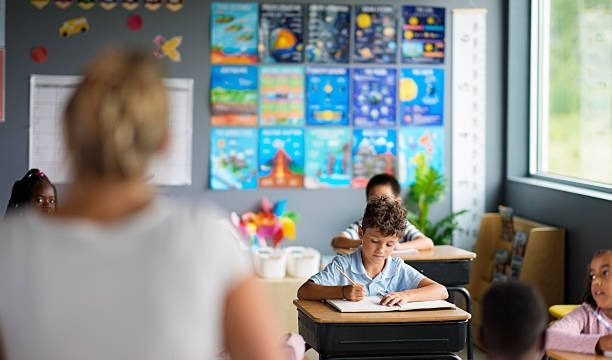
In the vibrant world of education, the role of an effective teacher extends far beyond merely delivering content.
True educators become facilitators of meaningful discussions, creating an environment where students feel safe to express their thoughts and ideas.
This nurturing atmosphere not only enhances learning but also encourages critical thinking and personal growth.
Let’s explore how effective teachers cultivate these enriching dialogues in their classrooms.
Creating a welcoming space for dialogue is a cornerstone of effective teaching. When students enter a classroom that radiates warmth and acceptance, they are more likely to engage in discussions. This environment can be fostered through simple gestures, such as greeting students at the door, maintaining eye contact, and actively listening to their concerns. By establishing a rapport, teachers signal to students that their voices matter, which in turn encourages participation. A classroom imbued with trust and mutual respect allows students to feel free to share their perspectives without fear of judgment.
The art of asking the right questions can transform a classroom discussion from mundane to meaningful. Effective teachers understand that open-ended questions stimulate deeper thinking and invite a range of responses. Instead of asking questions with a single correct answer, they pose inquiries that require students to reflect and articulate their thoughts. For instance, rather than asking, “What is the capital of France?” a teacher might ask, “What are some reasons you think Paris is an important city?” This shift encourages students to draw on their knowledge, experiences, and creativity, enriching the conversation and fostering a sense of ownership over their learning.
Another vital aspect of supporting meaningful discussions is promoting active listening. Teachers model this behavior by demonstrating genuine interest in students’ contributions. They can paraphrase or summarize what a student has said to show understanding and encourage further exploration of the topic. By doing so, they not only validate the student’s input but also encourage others to listen closely and engage respectfully with their peers. This creates a ripple effect; as students see their classmates being heard and respected, they are more likely to engage in the discussion themselves.
Encouraging diverse viewpoints is essential for fostering rich discussions. Effective teachers recognize that each student brings a unique background and perspective to the table. They actively seek to incorporate these diverse voices into classroom conversations by creating opportunities for students to share their experiences. This might involve small group discussions or paired activities that allow students to collaborate and learn from one another. By valuing different opinions and encouraging students to explore contrasting ideas, teachers help cultivate critical thinking and empathy, essential skills for navigating the complexities of the world.
The balance between guidance and freedom is another delicate dance that effective teachers perform. While it’s important to provide direction, allowing students the freedom to explore their thoughts and ideas is equally crucial. Teachers can establish a framework for discussion while encouraging students to take the lead. For example, they might set ground rules for respectful dialogue but then step back and let students navigate the conversation. This encourages autonomy and helps students develop the confidence to express their thoughts, knowing that they have the support of their teacher.
Creating connections between the curriculum and real-world issues can also enhance the relevance of classroom discussions. When students see the impact of what they are learning on their own lives and the world around them, they are more likely to engage deeply. Effective teachers can bridge the gap between academic concepts and current events, encouraging students to explore how their learning applies to broader societal issues. This relevance not only sparks interest but also empowers students to see themselves as active participants in their communities.
Feedback plays a significant role in nurturing discussions. Effective teachers provide constructive feedback that focuses on the content of students’ contributions rather than their delivery style. This approach encourages students to refine their ideas without feeling discouraged. Positive reinforcement can also motivate students to participate more actively. When they receive acknowledgment for their contributions, they are likely to feel more confident in sharing their thoughts in the future.
The journey of fostering meaningful discussions is not without its challenges. There may be moments of discomfort, particularly when sensitive topics arise. Effective teachers navigate these situations with care, creating a space where students can express their feelings while also learning to engage with differing viewpoints respectfully. By facilitating these conversations, teachers help students develop resilience and the ability to engage in constructive dialogue even when disagreements occur.
In reflecting on the essence of effective teaching, it becomes clear that supporting meaningful discussions is an intricate blend of approachability, skillful questioning, and genuine interest in student voices. It’s about creating an atmosphere where curiosity thrives, and students feel empowered to not only share their thoughts but also to listen and learn from one another. This nurturing approach not only enriches the educational experience but also helps shape thoughtful, compassionate individuals ready to engage with the world around them.
Ultimately, the heart of effective teaching lies in the connections made and the conversations sparked. As educators embrace the role of facilitators in meaningful discussions, they contribute to the growth of not only their students but also the broader community. Through thoughtful dialogue, students learn to articulate their ideas, respect diverse perspectives, and foster a sense of belonging. In this way, effective teachers are not just teaching subjects; they are nurturing the leaders of tomorrow, equipped with the skills to engage thoughtfully in a complex world.