In the world of education, the role of a teacher is both vital and multifaceted.
Teachers are not just conveyors of knowledge; they are mentors, guides, and sometimes even confidants.
However, one quality that often gets overlooked in the conversation about effective teaching is patience.
Cultivating patience can significantly enhance a teacher’s effectiveness, creating a nurturing environment that fosters learning.
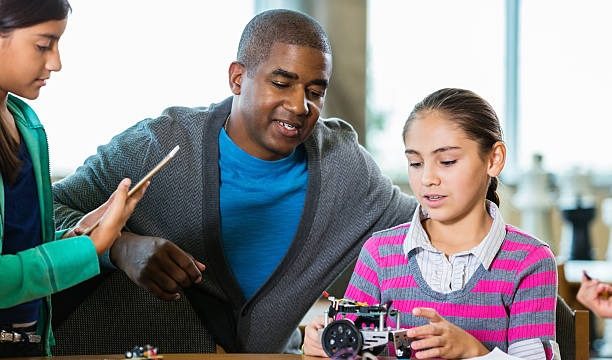
Patience is not merely the ability to wait; it embodies a deeper understanding and acceptance of the learning process. Every student comes with a unique set of experiences, strengths, and challenges. When teachers approach their students with patience, they open the door to a more profound connection. This connection is essential for creating a safe space where students feel valued and understood.
A small shift toward balance can be transformative. When teachers practice patience, they become more attuned to the individual needs of their students. This attentiveness allows them to recognize when a child is struggling or when they are ready to engage more deeply with the material. Instead of rushing through a lesson plan, a patient teacher takes the time to assess the classroom’s dynamics, adjusting their approach to meet the diverse needs present. This flexibility not only benefits students academically but also supports their emotional and social development.
Moreover, patience plays a crucial role in classroom management. A calm and patient demeanor helps diffuse potentially disruptive situations. Instead of reacting impulsively to behavioral challenges, a patient teacher can respond thoughtfully, guiding students toward better choices without escalating tensions. This approach cultivates a respectful classroom atmosphere, encouraging students to express themselves freely and learn from their mistakes.
Building a foundation of patience also encourages resilience in both teachers and students. In the face of challenges—be it a difficult lesson, a disengaged student, or unexpected disruptions—patience allows teachers to navigate the situation with grace. They can model resilience for their students, demonstrating that setbacks are a part of the learning journey. This, in turn, instills a growth mindset in students, encouraging them to persevere through their own challenges.
Creating a culture of patience extends beyond the classroom. It fosters collaboration among teachers, parents, and the wider school community. When educators approach their colleagues and families with understanding and patience, they build stronger partnerships that benefit student learning. Collaborative efforts become more productive when all parties are willing to listen and engage in open dialogue, allowing for a collective approach to supporting students’ needs.
In addition to enhancing relationships, patience can have a profound impact on a teacher’s well-being. The demands of teaching can be overwhelming, and it’s easy to feel the pressure to perform at peak levels constantly. By embracing patience, teachers can cultivate a more balanced perspective on their roles. This shift allows them to appreciate the small victories and the gradual progress their students make, rather than focusing solely on end results. A patient mindset encourages teachers to practice self-compassion, recognizing that they, too, are on a journey of growth and learning.
Furthermore, the practice of patience can serve as a powerful tool for personal development. Teachers who take the time to reflect on their experiences and adapt their strategies are continually evolving in their practice. This reflective approach nurtures a deeper understanding of pedagogical methods and helps educators remain engaged and inspired. As they grow, they can pass on that enthusiasm to their students, creating a dynamic and invigorating classroom atmosphere.
While the benefits of patience are clear, it’s important to acknowledge that cultivating this quality is not always easy. In a fast-paced educational environment, the pressures can sometimes overshadow the need for a patient approach. However, even small, intentional practices can lead to significant changes over time. Simple moments of mindfulness, such as taking a deep breath before responding to a challenging situation or setting aside time for reflection after a busy day, can help teachers ground themselves in patience.
Incorporating patience into teaching also means embracing the learning process for oneself. Just as students develop at their own pace, teachers are on a continuous journey of professional growth. Recognizing that mastery takes time can alleviate the pressure to be perfect and encourage a more compassionate approach to both oneself and one’s students.
Ultimately, patience is a gift that teachers can give to themselves and their students. It nurtures a positive learning environment, strengthens relationships, and promotes resilience. As educators embrace patience, they create a ripple effect that extends beyond the classroom, influencing the wider school community and fostering a culture of understanding and support.
In conclusion, the journey of teaching is as much about the relationships formed and the growth experienced as it is about the curriculum delivered. By embracing patience, teachers can enhance their effectiveness and create a warm, inviting space for learning. It’s a gentle reminder that education is not just about the destination but also about appreciating the journey along the way. In a world that often values speed and efficiency, patience invites us to slow down, connect, and truly engage with the beautiful process of teaching and learning.