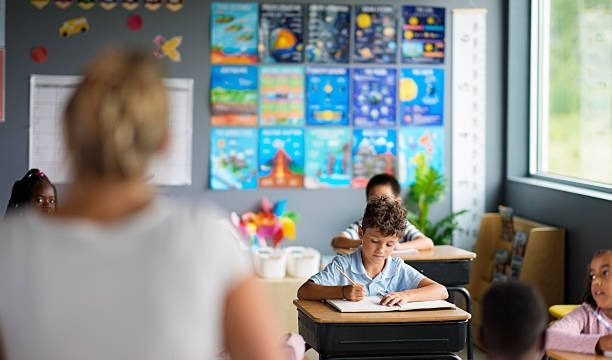
In the ever-evolving landscape of education, the relationship between students and teachers plays a pivotal role in shaping a positive learning environment.
For many, school is not just a place of academic pursuit; it is a realm where personal growth, social connections, and emotional development intertwine.
Understanding the dynamics of student-teacher relationships can lead to more productive interactions and a nurturing atmosphere that fosters learning. One of the most valuable tools in this endeavor is reflection.
The power of reflection is often understated. It is a gentle yet profound practice that allows individuals to step back from their daily experiences and gain insight into their thoughts, feelings, and actions. For teachers, engaging in reflective practice can unveil the nuances of their relationships with students. By examining their own behaviors and attitudes, educators can cultivate a deeper understanding of their students’ needs, fostering a more empathetic connection.
Creating a safe space for reflection is essential. This can be as simple as setting aside a few quiet moments at the end of the day to jot down thoughts or feelings about classroom interactions. Teachers might consider asking themselves questions like, “What went well today?” or “How did my actions affect my students?” This introspection can illuminate areas for growth, reminding educators that vulnerability is a strength. When teachers model this openness, it encourages students to feel safe in sharing their own reflections, creating a mutual space for growth.
A small shift toward balance can have a significant impact on the classroom atmosphere. When teachers take the time to reflect on their teaching methods and their responses to student behaviors, they can identify patterns that might be hindering effective communication. For instance, a teacher who notices they often respond to disruptions with frustration may begin to explore alternative approaches. Perhaps they can incorporate more positive reinforcement or develop strategies for de-escalating conflicts. This shift not only enhances the teacher’s experience but also improves the students’ learning environment.
In addition to personal reflection, seeking feedback from students can be incredibly beneficial. This practice can take many forms, from informal conversations to structured surveys. By inviting students to share their thoughts on classroom dynamics, teachers can gain valuable insights into their teaching methods and the emotional climate of the classroom. This two-way communication fosters trust and respect, as students feel their voices are valued and heard.
Understanding the diverse backgrounds and experiences of students is another aspect of nurturing better relationships. Each student brings a unique perspective to the classroom, shaped by their individual histories and cultures. Reflecting on these differences can help teachers to tailor their approaches, ensuring that every student feels included and understood. Acknowledging these variations can lead to more personalized learning experiences, where students feel a sense of belonging and acceptance.
Empathy is a cornerstone of any strong relationship, and it is especially crucial in the student-teacher dynamic. When educators take the time to reflect on their students’ challenges, they can respond with compassion and support. For instance, a teacher who recognizes that a student is struggling academically may take extra steps to provide assistance, whether through additional resources or personalized attention. This understanding not only helps the student academically but also strengthens the emotional bond between teacher and student.
Encouraging students to engage in their own reflective practices can also enhance their learning and self-awareness. Simple prompts such as journaling about their day or discussing their feelings in group settings can help students articulate their thoughts and emotions. This practice cultivates a sense of agency, empowering students to take ownership of their learning journey. As they reflect on their experiences, they become more attuned to their strengths and areas for improvement, leading to greater resilience and motivation.
The role of technology in education can also be a reflection point for teachers. As digital tools become more integrated into the classroom, it is essential to consider how they impact the student-teacher relationship. Reflecting on the balance between technology and personal interaction can help educators find ways to enhance engagement without sacrificing meaningful connections. For example, using online platforms for collaboration can be a great way to foster teamwork, but it should not replace face-to-face interactions that build rapport and trust.
As educators navigate the complexities of teaching, it is important to remember that reflection is not a one-time event but an ongoing practice. The more teachers engage in self-reflection, the more they can adapt and grow in their roles. Each day presents new opportunities for learning, both for students and teachers alike. Embracing this journey with an open heart can lead to transformative experiences that enrich the educational landscape.
Ultimately, better student-teacher relationships are built on a foundation of mutual respect, understanding, and empathy. By taking the time to reflect on their own practices and the experiences of their students, teachers can create a classroom environment where everyone feels valued and empowered. This nurturing atmosphere not only enhances academic achievement but also supports the holistic development of young individuals.
In a world that often feels rushed and chaotic, the simple act of reflection can bring clarity and connection. It invites teachers to slow down, breathe, and truly listen—not just to their students, but also to themselves. As this practice becomes ingrained in the educational experience, both students and teachers can flourish, creating a vibrant community where learning thrives. In the end, the heart of education lies in the relationships we build, and reflection is the key that unlocks this profound potential.