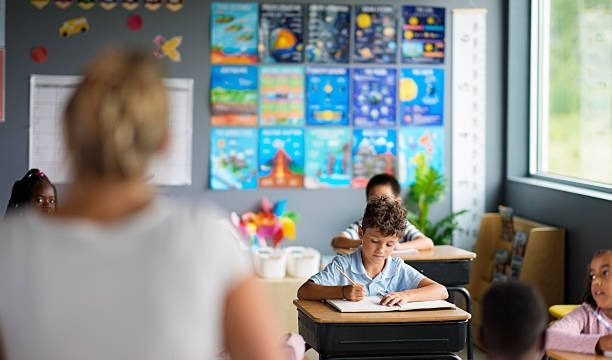
Creating a productive classroom environment is an aspiration shared by educators around the globe.
It’s not merely about maintaining discipline or enforcing rules; it’s about fostering an atmosphere where learning can flourish, and creativity can bloom.
As we navigate the evolving landscape of education, taking a moment to reflect on how we can organize our classrooms can lead to profound changes in student engagement and achievement.
A gentle shift toward balance can make a significant difference in how a classroom operates. It is essential to recognize that every student comes with unique backgrounds, learning styles, and emotional needs. When we consider these factors in our classroom design, we set the stage for a more inclusive and productive environment.
Creating a welcoming space is the first step in this journey. The physical layout of a classroom can influence mood and productivity. A cluttered, chaotic environment can lead to distractions, while a well-organized space fosters focus and calm. Consider arranging desks in clusters to encourage collaboration or creating cozy reading nooks to invite quiet reflection. Each corner of the room should serve a purpose, inviting students to engage in various activities, whether it’s group work, individual study, or creative projects.
As we think about organization, it’s also valuable to reflect on the materials we provide. A well-stocked classroom is one where students can easily access the tools they need for their learning. This means keeping supplies orderly and ensuring that everything has its designated place. A simple labeling system can work wonders, allowing students to take ownership of their environment. When they know where to find things, they feel more empowered and less reliant on the teacher for assistance.
Another aspect to consider is the emotional climate of the classroom. Establishing a culture of respect and kindness can transform how students interact with one another. Simple practices such as morning meetings or check-ins can help foster connections among students. These moments allow for sharing thoughts and feelings, creating a supportive atmosphere that encourages vulnerability and openness. When students feel safe and valued, they are more likely to participate actively and take risks in their learning.
The role of the teacher in this environment cannot be overstated. Teachers are not just facilitators of knowledge; they are also role models for how to navigate relationships and challenges. It’s essential for educators to reflect on their approach to classroom management and communication. Are we modeling the behaviors we want to see in our students? Are we creating a space where mistakes are seen as opportunities for growth? By embodying patience, empathy, and understanding, teachers can inspire students to mirror these qualities in their interactions with peers.
A small shift toward balance can also mean integrating mindfulness practices into the daily routine. Simple techniques such as deep breathing exercises or short moments of silence can help students center themselves and focus. These practices not only support emotional well-being but can also enhance cognitive function, paving the way for more productive learning sessions. Encouraging students to take a moment to pause and reflect can lead to greater self-awareness and improved concentration.
Engaging students in the process of organizing their classroom can also yield positive results. When students take part in decisions about their learning environment, they develop a sense of ownership and responsibility. This might involve allowing them to choose seating arrangements or contribute ideas for classroom decorations. Such involvement can lead to a stronger sense of community and investment in the classroom’s overall atmosphere.
As we reflect on the organization of a productive classroom, it’s important to remember that flexibility is key. The needs of students can change from day to day, and being adaptable allows us to respond effectively. Regularly assessing the classroom environment and being open to making adjustments can help maintain a space that continually supports student growth and engagement.
Creating a culture of feedback can be another valuable tool in this reflective process. Encouraging students to share their thoughts on what works and what doesn’t can provide insights that we might not have considered. This dialogue fosters an environment where everyone feels heard and valued, reinforcing the idea that the classroom is a shared space built on collaboration.
In our quest to organize a productive classroom, we must also acknowledge the importance of self-care for educators. Teaching can be demanding, and taking time to recharge is essential for maintaining a positive outlook. When teachers prioritize their well-being, they are better equipped to create a nurturing environment for their students. Finding balance in our own lives can translate into a more harmonious classroom atmosphere.
Ultimately, the journey of organizing a productive classroom is one of continuous reflection and growth. By considering the physical layout, emotional climate, and the role of both students and teachers, we can create a space that promotes learning and connection. It’s about weaving together various elements to form a tapestry that reflects the diverse needs and aspirations of the classroom community.
As we embrace this reflective approach, we open ourselves to the possibility of transformation. Each small change we make can lead to significant outcomes, fostering an environment where students feel empowered to learn, explore, and thrive. The classroom can become not just a place of instruction, but a sanctuary of growth and discovery, where every student feels valued and engaged. In this space, we can all contribute to a brighter, more productive future for education.