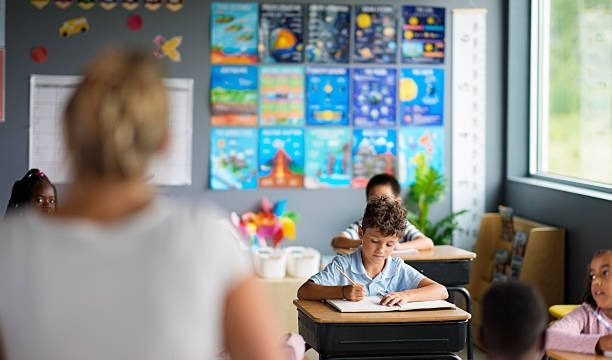
In the world of education, the impact of a teacher can be profound.
The effectiveness of educators often serves as a cornerstone for student success and academic achievement.
When we think about the elements that contribute to a thriving learning environment, the role of a teacher stands out as both pivotal and transformative.
This connection between teacher effectiveness and student performance is not just a statistic; it’s a pathway to unlocking potential and fostering a love for learning.
The essence of teaching goes beyond mere content delivery. It encompasses the ability to inspire, engage, and nurture students in their academic journeys. A teacher who connects with their students on a personal level creates a safe space for exploration and growth. When students feel valued and understood, they are more likely to participate actively in their learning process. This emotional connection can lead to a deeper understanding of the material, ultimately enhancing academic performance.
Creating an engaging classroom environment is key. A teacher who employs various teaching methods, tailored to the diverse needs of their students, can ignite interest and enthusiasm. This might involve incorporating hands-on activities, group discussions, or technology that resonates with students. By diversifying instructional approaches, teachers can cater to different learning styles, ensuring that every student has the opportunity to grasp the concepts being taught.
Moreover, the effectiveness of a teacher is also reflected in their ability to foster critical thinking. Encouraging students to ask questions, analyze information, and draw their own conclusions helps them develop essential skills that extend beyond the classroom. This cultivation of critical thinking not only boosts academic performance but also prepares students for real-world challenges. In an age where information is abundant, the ability to navigate through it thoughtfully is invaluable.
A small shift toward balance can also significantly impact teacher effectiveness. While curriculum goals are important, the emphasis on social and emotional learning cannot be overlooked. Teachers who prioritize the well-being of their students create a harmonious learning atmosphere. When students feel emotionally secure, they are more likely to take risks in their learning, engage in discussions, and collaborate with peers. This holistic approach to education nurtures not only academic skills but also social skills, which are equally crucial for personal development.
Collaboration between teachers and parents is another vital aspect of fostering student success. When educators and families work together, they create a support system that reinforces learning both at school and at home. Open communication can lead to a better understanding of each student’s unique needs and challenges. This partnership empowers teachers to tailor their strategies and provides parents with the tools to support their children’s learning journey.
Encouraging a growth mindset is essential in the classroom. Teachers who model resilience, perseverance, and a willingness to learn from mistakes inspire their students to adopt similar attitudes. When students understand that effort, rather than innate ability, leads to improvement, they become more motivated to tackle challenges. This shift in perspective can lead to remarkable academic gains, as students embrace the process of learning rather than fearing failure.
In addition, teacher effectiveness is often linked to professional development. Continuous learning and growth for educators not only enhance their teaching skills but also invigorate their passion for teaching. Workshops, conferences, and collaborative learning communities provide opportunities for teachers to exchange ideas and strategies. When teachers are empowered and supported in their professional journeys, they are better equipped to inspire their students.
Creating a culture of high expectations is also a hallmark of effective teaching. When teachers set ambitious yet attainable goals for their students, they instill a sense of purpose and direction. Students thrive in environments where they are challenged to stretch their capabilities, and this can lead to significant academic achievements. The key lies in balancing these expectations with encouragement and support, ensuring that students feel capable and motivated to meet them.
As we reflect on the relationship between teacher effectiveness and academic performance, it’s clear that the impact of a dedicated educator can resonate far beyond the classroom walls. Teachers have the extraordinary ability to shape lives, instill confidence, and ignite passions. Their influence can inspire students to pursue their dreams, fostering a lifelong love for learning.
Ultimately, the journey toward better academic performance is a collaborative effort. It requires the commitment of teachers, the support of parents, and the engagement of students. By focusing on teacher effectiveness as a vital component of this equation, we create a nurturing environment where students can thrive. This holistic approach not only enhances academic outcomes but also cultivates well-rounded individuals prepared to navigate the complexities of life.
In the end, the path to better academic performance is paved with the dedication and passion of educators who strive to make a difference. Their effectiveness is not just measured by grades or test scores but by the lives they touch and the futures they help shape. As we continue to invest in our teachers and recognize their invaluable role, we pave the way for a brighter, more promising future for our students.