In today’s educational landscape, the connection between teacher effectiveness and student responsibility is gaining increasing attention.
It’s a relationship that can significantly influence a student’s academic journey, shaping not only their grades but also their character and future success.
As we explore this link, we’ll uncover how a supportive classroom environment can foster a sense of ownership and accountability among students.
Creating a nurturing environment is essential for any teacher who wishes to make a lasting impact. When educators approach their work with enthusiasm, passion, and empathy, they set the stage for students to thrive. A teacher’s effectiveness is not solely measured by test scores or lesson plans; it’s also about how they connect with their students on a personal level. This connection can motivate students to take responsibility for their learning, encouraging them to engage, ask questions, and seek help when needed.
One of the most profound ways teachers can inspire responsibility is through modeling behavior. When educators demonstrate accountability in their actions—arriving prepared, admitting mistakes, and showing a willingness to improve—students often mirror this behavior. They learn that taking responsibility is not just a task but a valuable life skill. By witnessing their teachers’ commitment to growth, students begin to understand the importance of their own efforts.
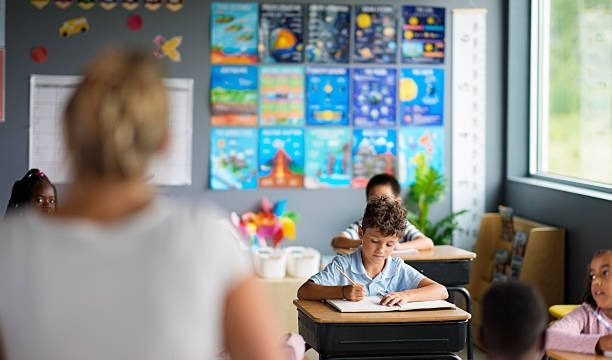
The classroom is a microcosm of society, and how teachers manage this space can significantly influence student behavior. An effective teacher establishes clear expectations and boundaries, creating a structured environment where students feel safe to express themselves. This sense of security encourages students to take ownership of their actions, knowing they are part of a community that values respect and accountability. When students feel that their contributions matter, they are more likely to invest in their education.
Encouraging student responsibility also involves fostering intrinsic motivation. Teachers can create opportunities for students to pursue their interests and passions within the curriculum. When students are allowed to explore subjects that resonate with them, they develop a sense of ownership over their learning. This autonomy not only enhances engagement but also helps students understand the value of their efforts. They begin to recognize that their actions directly impact their success, which cultivates a sense of responsibility.
Additionally, providing constructive feedback plays a crucial role in this dynamic. Effective teachers give feedback that is specific and actionable, guiding students toward improvement rather than merely pointing out mistakes. This approach helps students understand that learning is a process, and taking responsibility for their progress is an essential part of that journey. When feedback is framed positively, it encourages students to embrace challenges and view setbacks as opportunities for growth.
Building relationships is another cornerstone of effective teaching. When teachers take the time to get to know their students, they can tailor their approaches to meet individual needs. This personalized attention fosters trust, making students feel valued and understood. In turn, students are more likely to take responsibility for their learning, knowing they have a supportive ally in their corner. The bonds formed in the classroom can lead to increased motivation and a greater willingness to engage with the material.
Encouraging collaboration among students can also enhance their sense of responsibility. Group projects and cooperative learning experiences allow students to work together, share ideas, and hold each other accountable. In these settings, they learn the importance of contributing to a team and recognizing that their actions affect their peers. This collaborative spirit not only fosters responsibility but also helps students develop critical social skills that will serve them well beyond the classroom.
As students grow in their ability to take responsibility, they also become more resilient. Overcoming challenges and learning from mistakes are vital components of personal growth. An effective teacher helps students navigate these obstacles by providing support and encouragement. When students feel empowered to tackle difficulties, they develop a growth mindset, which is essential for lifelong learning. This resilience fosters a sense of responsibility, as students learn to see themselves as active participants in their educational journey.
It’s important to remember that the link between teacher effectiveness and student responsibility is a two-way street. While teachers play a pivotal role in shaping student behavior, students must also be willing to engage in the process. By fostering a culture of mutual respect and accountability, teachers can create an environment where students feel inspired to take charge of their learning.
Ultimately, the relationship between teacher effectiveness and student responsibility is about more than academics; it’s about nurturing well-rounded individuals. When students learn to take responsibility for their actions, they develop the skills necessary to navigate life’s challenges. They become critical thinkers, problem solvers, and compassionate individuals who understand the importance of contributing to their communities.
In conclusion, the bond between teacher effectiveness and student responsibility is a beautiful dance, one that requires patience, understanding, and commitment. As educators continue to refine their practices and create supportive learning environments, they empower students to embrace their responsibilities. In doing so, they not only enhance academic performance but also foster personal growth and resilience. This holistic approach to education is what ultimately prepares students for a bright future, instilling in them the belief that they can shape their own destinies.