In today’s fast-paced world, the importance of leadership skills among students cannot be overstated.
As they navigate their academic journeys and prepare for future careers, fostering leadership qualities can empower them to make a positive impact.
Building leadership among students is not merely about guiding them to take charge; it’s about nurturing their unique abilities, encouraging collaboration, and promoting an environment where everyone feels valued.
A gentle exploration of leadership begins with the recognition that every student possesses inherent strengths. These strengths can be cultivated through various approaches that encourage personal growth and self-awareness. When students understand their capabilities, they become more confident in expressing their ideas and taking initiative. This self-discovery process often involves reflection, where students assess their experiences and identify moments when they felt empowered or inspired.
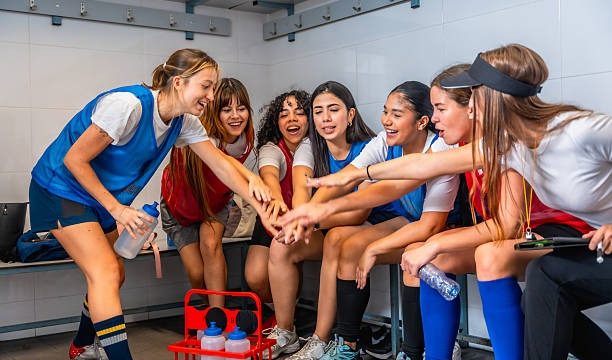
Creating opportunities for participation is another vital aspect of building leadership among students. Engaging them in group projects, community service, or extracurricular activities allows them to practice leadership in a supportive environment. These experiences not only enhance their skills but also foster a sense of belonging. When students collaborate on shared goals, they learn the value of teamwork and the importance of listening to diverse perspectives. This collaborative spirit is essential for effective leadership, as it teaches individuals to appreciate the contributions of others.
Encouraging open communication within educational settings can also significantly contribute to leadership development. Students thrive in an environment where they feel comfortable sharing their thoughts and ideas without fear of judgment. Teachers and mentors play a crucial role in creating this atmosphere by promoting dialogue and actively seeking input from students. When students see their voices matter, they are more likely to step into leadership roles, whether in the classroom or beyond.
A small shift toward balance can also enhance leadership skills. While it is essential for students to be ambitious and driven, it is equally important for them to understand the significance of balance in their lives. Leadership is not solely about achieving goals; it also involves managing stress and maintaining well-being. Encouraging students to engage in mindfulness practices or hobbies can help them cultivate resilience and emotional intelligence. These qualities are invaluable for leaders, as they navigate challenges and inspire others.
Mentorship is another powerful approach to building leadership among students. Connecting students with mentors who can guide and inspire them can make a profound difference in their development. Mentors can help students set goals, provide constructive feedback, and share their own experiences. This relationship often fosters a sense of accountability, motivating students to strive for excellence. Through mentorship, students learn the importance of seeking guidance while also understanding the value of giving back by eventually mentoring others.
Incorporating leadership education into the curriculum can also enrich students’ experiences. Schools and universities can introduce courses or workshops that focus on leadership principles, ethical decision-making, and effective communication. These structured learning opportunities provide students with the tools they need to navigate complex situations. They learn not just how to lead but also when to follow, emphasizing that leadership is about service and collaboration, not just authority.
The role of technology in leadership development cannot be overlooked. In this digital age, students have unprecedented access to information and networks. Encouraging them to engage in online forums, social media groups, or virtual collaborations can broaden their perspectives and enhance their leadership skills. Technology can be a powerful tool for advocacy, allowing students to raise awareness about causes they care about and connect with like-minded individuals globally. This digital engagement can ignite their passion for leadership, motivating them to take action in their communities.
Fostering a culture of recognition and celebration is also essential in building leadership among students. Acknowledging their achievements, no matter how small, can significantly boost their confidence. Celebrations can take many forms, from simple verbal praise to formal awards. When students feel appreciated for their efforts, they are more likely to take on new challenges and inspire their peers. This culture of recognition creates a positive feedback loop, where students encourage one another to pursue leadership opportunities.
Moreover, instilling a sense of social responsibility in students can deepen their understanding of leadership. Engaging them in discussions about social issues and encouraging them to participate in community service projects can broaden their horizons. When students recognize the impact of their actions on others, they develop a sense of empathy and responsibility. This awareness is a cornerstone of effective leadership, as it encourages them to lead with compassion and a commitment to making a difference.
As we explore these various approaches, it’s important to remember that leadership development is a journey, not a destination. Each student’s path will be unique, shaped by their experiences, challenges, and aspirations. Supporting them through this journey requires patience, understanding, and encouragement. By fostering an environment that values growth, collaboration, and open communication, we can help students build the leadership skills they need to thrive.
In conclusion, nurturing leadership among students is a multifaceted endeavor that involves self-discovery, collaboration, communication, and a commitment to social responsibility. By creating supportive environments, encouraging mentorship, and recognizing achievements, we empower students to embrace their potential and become the leaders of tomorrow. As they embark on this journey, they not only grow as individuals but also contribute to a brighter future for their communities and beyond. Through these thoughtful approaches, we can cultivate a generation of compassionate, effective leaders ready to navigate the complexities of our world.