In the vibrant world of education, the relationships that teachers build with their students can be the cornerstone of a thriving classroom environment.
These connections foster trust, encourage open communication, and create a safe space for learning.
When students feel valued and understood, they are more likely to engage actively in their education. There are several thoughtful approaches that can strengthen these vital relationships, enriching the educational experience for both teachers and students.
A gentle approach to connection involves simply taking the time to know students as individuals. Every child brings a unique background, set of experiences, and personality to the classroom. Teachers who invest effort into understanding their students’ interests, challenges, and dreams cultivate a sense of belonging. This can be as simple as asking about a student’s weekend or showing interest in their hobbies. A few minutes of genuine conversation can make all the difference, transforming a student from feeling like just another face in the crowd to being a valued member of the class community.
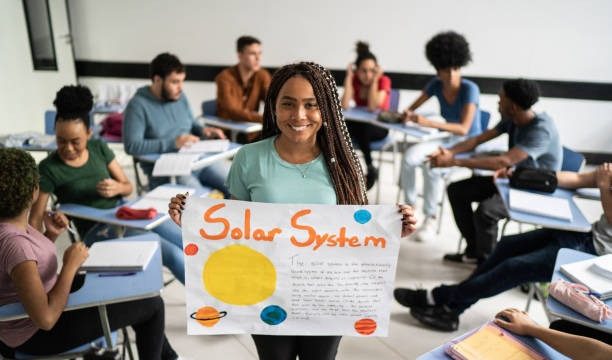
Creating a warm classroom atmosphere is another essential aspect of nurturing teacher-student relationships. A welcoming environment can be achieved through thoughtful classroom design, such as comfortable seating arrangements, personalized decorations, and inclusive materials that reflect the diversity of the students. When students enter a space that feels safe and inviting, they are more likely to express themselves freely and engage with the learning process. Additionally, establishing clear expectations and routines can help students feel secure, knowing what to expect each day.
It’s equally important to practice active listening. Teachers who genuinely listen to their students’ thoughts, questions, and concerns foster a culture of respect and validation. This means not only hearing the words but also paying attention to the emotions behind them. When students feel heard, they are more likely to open up, share their ideas, and seek help when needed. This two-way communication builds a stronger bond and encourages students to take an active role in their education.
Encouraging student autonomy is another powerful way to strengthen relationships. When students are given the opportunity to make choices in their learning, whether through selecting topics for projects or deciding how to demonstrate their understanding, they feel a sense of ownership. This empowerment can lead to increased motivation and engagement. Teachers can support this autonomy by providing guidance while also allowing students to explore their interests in ways that resonate with them.
A warm and supportive approach also involves recognizing and celebrating students’ achievements, no matter how small. Acknowledgment can come in various forms, from verbal praise to simple notes of encouragement. By celebrating successes, teachers reinforce the idea that hard work and effort are valued. This not only boosts students’ self-esteem but also strengthens the teacher-student bond, as students feel that their efforts are appreciated and recognized.
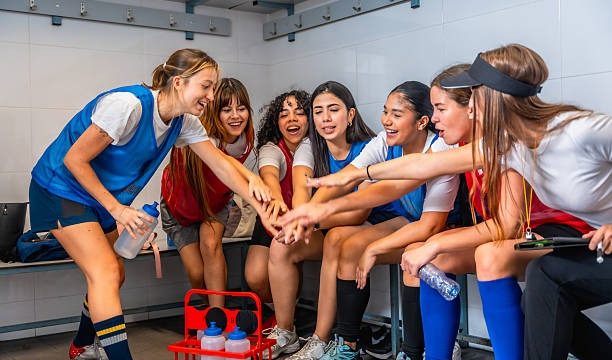
Building a sense of community within the classroom is another vital strategy. Collaborative activities, such as group projects or team-building exercises, allow students to work together and learn from one another. These experiences not only foster social skills but also enhance relationships among peers and between students and teachers. When students feel connected to their classmates and teacher, they are more likely to participate actively and feel a sense of accountability to the group.
Another subtle yet impactful approach is to share personal stories. When teachers share appropriate anecdotes from their own lives, they humanize themselves and create a relatable connection with their students. These moments of vulnerability can help students see their teachers as more than just authority figures; they become mentors and allies in the learning journey. This shared understanding can create a more relaxed and friendly atmosphere, encouraging students to open up in return.
Encouraging emotional expression is equally important in nurturing relationships. Teachers who promote emotional literacy help students understand and articulate their feelings. This can be done through discussions about emotions, incorporating social-emotional learning into the curriculum, or simply creating space for students to share their thoughts. When students feel comfortable expressing themselves, it enhances their relationship with their teacher, as they know they can approach them with both academic and personal concerns.
A small shift toward balance can also be beneficial. Teachers who model a healthy work-life balance set a positive example for their students. When educators take care of their well-being, it reflects in their interactions with students. This might mean incorporating mindfulness practices into the classroom, encouraging breaks during lessons, or simply sharing the importance of self-care. Students who see their teachers prioritize balance are likely to adopt similar habits, contributing to a more harmonious classroom dynamic.
Lastly, embracing diversity and inclusivity strengthens relationships by honoring each student’s unique identity. Teachers who actively promote an inclusive environment, where all students feel seen and respected, create a sense of belonging. This can be reflected in the curriculum, classroom discussions, and the way students are treated on an individual level. When diversity is celebrated, all students benefit from a richer learning experience, fostering empathy and understanding within the classroom community.
In essence, the relationship between teachers and students is foundational to a successful educational experience. By taking the time to understand students as individuals, creating a warm and welcoming environment, practicing active listening, and fostering autonomy, teachers can cultivate strong connections. Encouraging collaboration, celebrating achievements, sharing personal stories, promoting emotional expression, modeling balance, and embracing diversity all contribute to a nurturing atmosphere where students thrive.
In the end, it is these thoughtful approaches that not only enhance the learning experience but also leave a lasting impact on students, shaping their educational journey and personal growth for years to come.