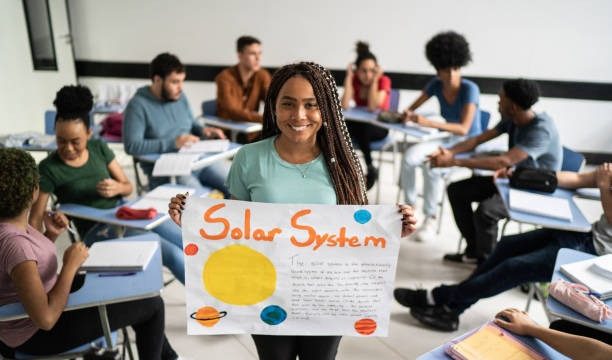
In recent years, the conversation around inclusivity in schools has gained significant momentum.
As our society becomes more diverse, the need for educational environments that embrace all students—regardless of their backgrounds, abilities, or needs—has never been more pressing.
Strengthening school inclusivity is not just about meeting legal requirements; it’s about fostering a sense of belonging and acceptance that can positively impact students’ emotional and social development.
A gentle shift toward understanding
At the heart of inclusivity lies understanding. When educators take the time to learn about the different backgrounds and experiences of their students, they create a foundation for empathy and respect. This can begin with simple conversations and opportunities for dialogue within the classroom. By encouraging students to share their stories and perspectives, teachers can cultivate an environment where every voice feels valued. This not only helps students feel seen but also teaches them the importance of listening to one another—a skill that is vital in today’s interconnected world.
Creating a welcoming environment
Physical spaces play a crucial role in promoting inclusivity. When students walk into a classroom, the atmosphere should invite them in, making them feel safe and accepted. This can be achieved through thoughtful decor, such as displaying artwork that reflects diverse cultures or creating areas where students can collaborate comfortably. Additionally, ensuring that materials and resources are accessible to all learners is essential. This means providing different types of learning materials that cater to various learning styles, ensuring that every student can engage with the curriculum in a way that suits them best.
Building strong relationships
Teachers often become the pillars of support for their students. By fostering strong relationships with each student, educators can create a sense of trust and security. This connection is especially important for those who may feel marginalized or different. When students know their teachers care about them as individuals, they are more likely to open up about their challenges and needs. Regular check-ins, both academic and emotional, can help teachers identify any areas where a student may need additional support.
Encouraging collaborative learning
Collaboration can be a powerful tool in promoting inclusivity. Group projects and cooperative learning activities encourage students to work together, allowing them to learn from one another. When students with diverse abilities and backgrounds collaborate, they can share their unique strengths and perspectives, enriching the learning experience for everyone involved. This not only helps to break down barriers but also fosters a sense of teamwork and community.
Empowering student voices
One of the most effective ways to strengthen inclusivity is by empowering students to take an active role in shaping their educational experiences. Schools can create opportunities for student leadership through clubs, committees, or student councils. When students are given a platform to express their ideas and advocate for their needs, they become agents of change within their own communities. Encouraging students to voice their opinions not only cultivates a sense of agency but also helps to bring awareness to issues that may affect their peers.
Engaging families and communities
Inclusivity extends beyond the classroom walls. Engaging families and communities is vital in creating a holistic approach to inclusivity. Schools can host events that celebrate cultural diversity, allowing families to share their traditions and experiences with one another. This not only strengthens the bond between home and school but also enriches the learning environment for all students. When families feel involved and valued, it creates a ripple effect of support and encouragement for students.
Professional development for educators
To effectively implement inclusive practices, educators must be equipped with the right tools and knowledge. Professional development opportunities focused on inclusivity can help teachers understand best practices for supporting diverse learners. Workshops and training sessions can provide insights into different teaching strategies, classroom management techniques, and ways to create an inclusive curriculum. When educators invest in their own growth, they are better prepared to meet the needs of their students.
Celebrating diversity
Finally, celebrating diversity is an essential aspect of fostering inclusivity. Schools can create events that highlight various cultures, abilities, and experiences, allowing students to learn about and appreciate the richness of diversity. This could include multicultural fairs, heritage months, or themed days that encourage students to dress in traditional clothing or share their favorite foods. Celebrating diversity not only enhances students’ understanding of one another but also instills a sense of pride in their own identities.
The path to inclusivity is a journey
Strengthening school inclusivity is a journey that requires commitment and intentionality. It calls for educators, families, and communities to work together to create environments where all students can thrive. By embracing understanding, building relationships, encouraging collaboration, and celebrating diversity, we can foster a culture of inclusivity that resonates throughout the school experience.
As we continue to navigate the complexities of our diverse world, let us remember that every student deserves a place where they feel valued and supported. When schools prioritize inclusivity, they not only enhance the educational experience for all students but also contribute to a more compassionate and understanding society. With every small step toward inclusivity, we are building a brighter future for the next generation.