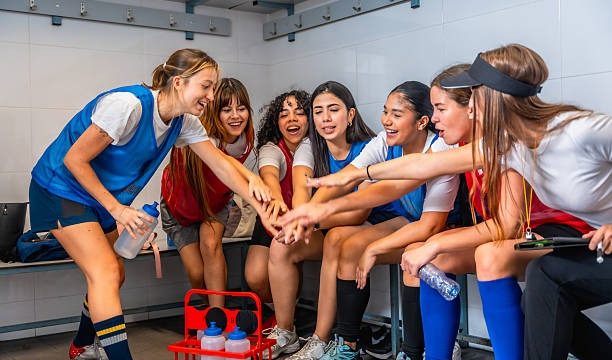
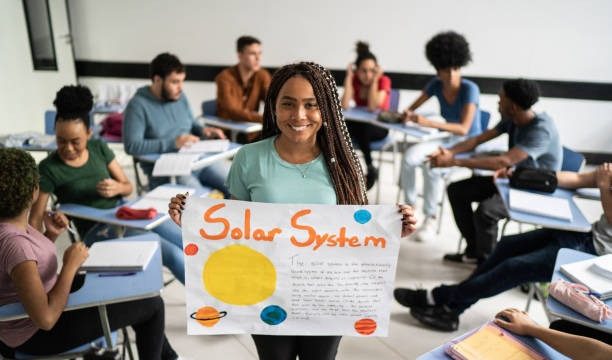
In the tapestry of teamwork, each thread represents a unique individual, bringing their strengths, talents, and perspectives to the collective fabric.
When team members feel empowered to maximize their strengths, the entire group flourishes, leading to a more vibrant and productive environment.
Helping individuals discover and harness their abilities not only enhances personal growth but also cultivates a sense of belonging and purpose within the team.
Creating a supportive atmosphere begins with understanding that every team member possesses a unique set of strengths. These strengths can be innate talents, learned skills, or personal passions. Recognizing this diversity is essential to nurturing a culture where everyone feels valued. A simple yet profound way to start is by engaging in open conversations about individual strengths. This can be as informal as a chat over coffee or a structured discussion during team meetings. The key is to create a safe space where everyone feels comfortable sharing their gifts without fear of judgment.
Encouragement plays a vital role in helping team members embrace their strengths. When leaders and peers acknowledge and celebrate the contributions of each individual, it fosters a sense of pride and motivation. A sincere compliment or a public acknowledgment of a job well done can ignite a spark of confidence in team members. It’s important to remember that recognition doesn’t always have to come from leadership; peer-to-peer appreciation can also be incredibly impactful. When team members celebrate each other’s successes, it cultivates a spirit of camaraderie and support.
A gentle shift toward collaboration can also enhance the way strengths are utilized within a team. Encouraging team members to work together on projects that align with their strengths can lead to more effective and engaging outcomes. For instance, pairing someone who thrives in creative thinking with another who excels in analytical skills can create a dynamic duo that approaches tasks from multiple angles. This collaboration not only maximizes individual strengths but also reinforces the idea that teamwork is about combining diverse talents to achieve common goals.
Providing opportunities for personal and professional development is another way to help team members maximize their strengths. Workshops, training sessions, or mentorship programs can empower individuals to refine their skills and explore new areas of interest. When team members are given the chance to grow, they often discover hidden talents or passions that can further enhance their contributions. Encouraging a mindset of continuous learning not only enriches the individual but also strengthens the overall team dynamic.
Creating an environment that embraces flexibility can also help team members thrive. Recognizing that each individual has different working styles and preferences allows for a more tailored approach to task assignments. Some may flourish in structured environments, while others might excel in more fluid settings. By accommodating various working styles, leaders can help team members feel more comfortable and engaged in their roles. This flexibility can lead to greater productivity and satisfaction, as individuals are able to work in ways that resonate with their strengths.
The power of feedback cannot be understated when it comes to maximizing strengths. Constructive feedback, delivered in a thoughtful and supportive manner, can guide individuals in recognizing areas for improvement while also reinforcing their strengths. Regular check-ins that focus on both accomplishments and opportunities for growth can help team members stay aligned with their goals. This ongoing dialogue fosters a culture of trust and openness, where individuals feel safe to experiment and take risks in their work.
Encouraging a balance between personal and team goals can also enhance the experience of maximizing strengths. When team members understand how their individual contributions align with the broader objectives of the team, they are more likely to feel a sense of purpose in their work. Setting shared goals that allow for individual expression can create a harmonious blend of collaboration and autonomy. This balance not only nurtures individual strengths but also propels the team towards collective success.
As we explore the journey of helping team members maximize their strengths, it’s essential to recognize the role of self-awareness. Encouraging individuals to reflect on their strengths and how they can apply them in their work can lead to deeper insights and greater fulfillment. Tools such as personality assessments or strengths inventories can provide valuable frameworks for self-discovery. When team members understand their unique contributions, they are better equipped to communicate their needs and aspirations, fostering a more transparent and engaged team dynamic.
Promoting a culture of gratitude can also enhance the experience of maximizing strengths. Encouraging team members to express appreciation for one another’s contributions creates a positive feedback loop that reinforces the value of individual strengths. Simple acts of gratitude, whether through a note, a kind word, or a shared moment of recognition, can go a long way in building a supportive atmosphere. This practice not only uplifts individuals but also strengthens the bonds within the team, creating a sense of unity and shared purpose.
In conclusion, helping team members maximize their strengths is a journey that requires intention, empathy, and collaboration. By creating an environment that celebrates diversity, encourages development, and fosters open communication, teams can unlock the full potential of each individual. When team members feel empowered to embrace their strengths, the entire group benefits, leading to a more harmonious and productive workplace. As we nurture these strengths, we weave a richer tapestry of teamwork, one that is vibrant, resilient, and deeply rewarding for all involved.