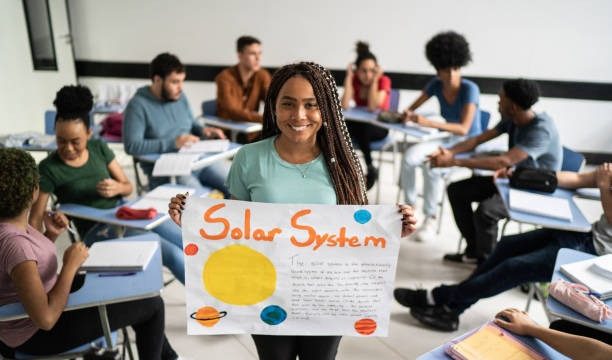
In the ever-evolving landscape of education, the concept of instructional leadership has emerged as a beacon for fostering inclusive classrooms.
It’s a journey that involves not just the dissemination of knowledge, but a commitment to creating an environment where every student feels valued and empowered.
In this nurturing space, educators play a pivotal role, guiding their students not only in academics but also in social and emotional growth.
Creating harmony in the classroom is akin to orchestrating a symphony. Each student, with their unique abilities and backgrounds, contributes to the overall melody. Instructional leaders are like conductors, ensuring that every note is heard and appreciated. This leadership style emphasizes collaboration among educators, students, and families, creating a supportive network that fosters inclusivity.
As we dive deeper into this concept, it’s essential to understand that instructional leadership is not a one-size-fits-all approach. Rather, it requires a thoughtful consideration of the diverse needs of students. By recognizing and respecting these differences, educators can tailor their methods to ensure that every learner has access to the same opportunities. This might involve differentiated instruction, where lessons are adapted to meet varying levels of comprehension and learning styles.
A gentle shift toward understanding can also make a significant impact. When educators take the time to learn about their students’ backgrounds, interests, and challenges, they can create a more inclusive atmosphere. This means engaging in conversations with students and their families, fostering relationships built on trust and open communication. Such connections can help educators identify the best strategies to support each individual, ensuring that no one feels left behind.
In an inclusive classroom, collaboration among teachers is crucial. Instructional leaders encourage a culture of teamwork, where educators share resources, strategies, and insights. This collaborative spirit not only enriches the learning experience but also provides teachers with a support system. When educators feel supported, they are better equipped to face challenges and innovate in their teaching practices.
Moreover, professional development is a cornerstone of effective instructional leadership. By investing in ongoing training, educators can refine their skills and stay informed about the latest inclusive teaching strategies. Workshops and seminars can provide valuable insights into new methodologies, enabling teachers to adapt their approaches to better serve their diverse student populations.
Creating an inclusive classroom is also about fostering a sense of belonging. Students should feel safe and respected, knowing that their unique identities are celebrated. Instructional leaders can promote this environment by implementing practices that encourage empathy and understanding among peers. Activities that highlight diversity and promote teamwork can help students appreciate each other’s differences, ultimately leading to a more harmonious classroom dynamic.
The role of technology in instructional leadership cannot be overlooked. Digital tools can enhance learning experiences, making education more accessible for all students. For instance, assistive technology can support students with disabilities, allowing them to engage fully in the classroom. By integrating technology thoughtfully, educators can create a more inclusive learning environment that caters to a variety of needs.
As we explore the nuances of instructional leadership, it becomes clear that assessment practices also play a significant role. Traditional assessment methods may not accurately reflect the abilities of all students. Instructional leaders advocate for alternative assessment strategies that honor individual learning progressions. By focusing on growth rather than solely on standardized test scores, educators can provide a more holistic view of student achievement.
A small shift toward balance can be transformative. It’s essential for educators to prioritize their well-being, as a healthy, fulfilled teacher can create a more positive classroom environment. Instructional leaders should encourage self-care practices, promoting a culture where teachers feel empowered to take breaks and seek support when needed. This balance not only benefits the educators but also enhances the overall learning experience for students.
In fostering an inclusive classroom, the importance of feedback cannot be overstated. Instructional leaders should cultivate an environment where students feel comfortable sharing their thoughts and experiences. Encouraging open dialogue allows students to express their needs and preferences, guiding educators in refining their approaches. This two-way communication strengthens relationships and builds a sense of community within the classroom.
As we reflect on the essence of instructional leadership, it’s evident that this approach is deeply rooted in empathy and understanding. It’s about recognizing the unique tapestry of each classroom, where every thread contributes to the overall picture. By embracing diversity and fostering collaboration, instructional leaders can create an environment where all students thrive.
Ultimately, the journey toward inclusive classrooms is ongoing. It requires dedication, adaptability, and a commitment to continuous improvement. Instructional leaders hold the key to unlocking the potential of every student, guiding them toward a brighter future. By nurturing a culture of inclusivity, educators can inspire the next generation to embrace their unique identities and work together toward common goals.
In this beautiful dance of education, where every student’s voice matters, instructional leadership shines as a guiding light. It’s a reminder that education is not just about imparting knowledge, but about cultivating a community where everyone feels seen, heard, and valued. Embracing this philosophy not only enriches the lives of students but also transforms the educational landscape as a whole.