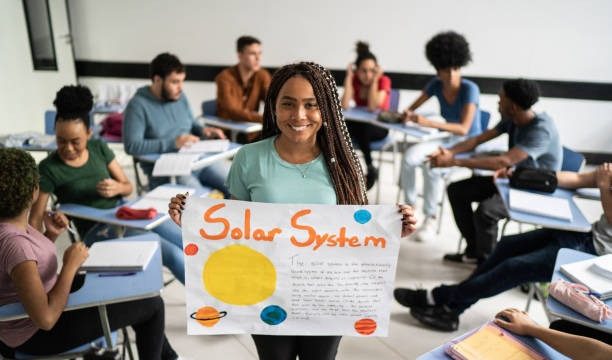
In the ever-evolving landscape of education, one truth stands out: students thrive when their voices are heard.
The concept of student voice—where learners actively participate in their educational journey—has gained significant attention.
It is not merely a trend; it is a vital element that enhances the learning experience.
As instructional leaders, educators have the unique opportunity to cultivate an environment where student voice flourishes, leading to richer engagement and deeper understanding.
Creating a culture that values student perspectives begins with a shift in mindset. Instructional leadership is not just about guiding teachers; it’s about fostering a community where students feel empowered to express their thoughts, ideas, and concerns. When students see that their opinions matter, they are more likely to engage actively in their learning process. This engagement not only enhances their educational experience but also builds essential life skills, such as critical thinking and collaboration.
Listening to students is the first step toward promoting their voice. This approach can take many forms, from informal conversations to structured feedback sessions. Educators can create safe spaces where students feel comfortable sharing their experiences. Perhaps it’s a simple check-in at the beginning of class or a more organized approach, such as a student forum. These opportunities for dialogue allow educators to gain insights into what students find motivating, challenging, or inspiring in their learning journeys.
Incorporating student input into decision-making processes is another powerful way to elevate their voices. When students are involved in discussions about curriculum design or school policies, they gain a sense of ownership over their education. This collaborative approach not only enhances their commitment to their learning but also helps educators understand the diverse needs and interests of their student body. It’s important to remember that students bring a unique perspective that can enrich the educational experience for everyone.
A gentle shift toward balance is essential in this process. While it’s crucial to create opportunities for student voice, it’s equally important to maintain a supportive structure. Instructional leaders can help guide discussions and ensure that all voices are heard, particularly those that may be quieter or less confident. This balance creates an inclusive environment where every student feels valued and respected.
Encouraging student voice also involves recognizing and celebrating student achievements. Acknowledgment can take many forms, whether it’s showcasing student projects, highlighting their contributions in school newsletters, or simply taking the time to provide positive feedback. This recognition not only boosts students’ self-esteem but also reinforces the idea that their input is meaningful and impactful. Celebrating successes creates a ripple effect, motivating other students to contribute and engage in their learning community.
Integrating student voice into the curriculum can also enhance engagement. When students see their interests reflected in lessons, they are more likely to connect with the material. Instructional leaders can collaborate with teachers to develop projects that allow students to explore topics they are passionate about. This might involve interdisciplinary projects that connect different subjects or opportunities for students to pursue independent research. Such initiatives empower students to take charge of their learning and express their creativity.
The role of technology in promoting student voice cannot be overlooked. In today’s digital age, students have access to various platforms that enable them to share their thoughts and ideas. Educators can leverage these tools to create interactive learning experiences. For instance, online discussion boards or collaborative platforms can provide students with an avenue to express their opinions and engage with peers. This not only enhances their communication skills but also prepares them for future collaborative environments, whether in higher education or the workplace.
As instructional leaders strive to promote student voice, it’s important to recognize that this journey is not without its challenges. Resistance may arise from both students and educators who may be accustomed to traditional teaching methods. It’s vital to approach these challenges with patience and understanding. Building a culture that values student input takes time, but the rewards are well worth the effort.
Moreover, professional development for educators is an essential component of this process. Providing teachers with the tools and training they need to effectively facilitate student voice can lead to transformative changes in the classroom. Workshops, peer observations, and collaborative planning sessions can equip educators with strategies to incorporate student feedback and foster an inclusive learning environment.
As we look ahead, the importance of promoting student voice will only continue to grow. In a world that increasingly values collaboration, creativity, and innovation, students must learn to navigate their educational journeys with confidence. By embracing student voice, instructional leaders not only enhance the learning experience but also prepare students to become active, engaged citizens in an ever-changing society.
Ultimately, the goal of promoting student voice is to create a nurturing and responsive educational environment. When students feel heard and valued, they are more likely to develop a lifelong love of learning. Instructional leaders play a crucial role in this process, guiding educators and students alike toward a shared vision of educational excellence. As we strive to cultivate a culture that prioritizes student perspectives, we take significant steps toward enriching the educational experience for everyone involved.
In this journey, let us remember that every voice matters. The unique insights and experiences of each student contribute to a richer, more vibrant learning community. By fostering an environment where these voices can thrive, we not only enhance academic achievement but also nurture the holistic development of our students, preparing them for a bright future filled with possibilities.