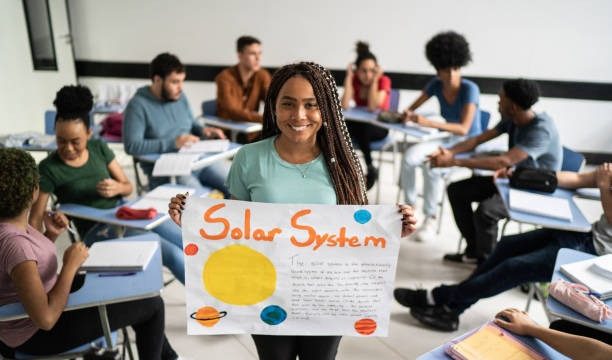
In the realm of education, student motivation often serves as the heartbeat of a thriving classroom.
It is the invisible thread that weaves through every lesson, every discussion, and every moment of discovery.
However, fostering this motivation is not solely the responsibility of the students themselves; it also relies heavily on the role of instructional leadership.
When educators prioritize supportive and engaging instructional practices, they can create an environment where students feel inspired to learn and grow.
Creating a nurturing atmosphere begins with understanding that each student is unique, with their own interests, strengths, and challenges. Instructional leaders play a crucial role in recognizing these differences and tailoring their approaches to meet the diverse needs of their students. This can be achieved through collaborative efforts with teachers, offering professional development opportunities that emphasize student-centered pedagogies. By empowering educators to explore innovative teaching methods, instructional leaders pave the way for classrooms that spark curiosity and enthusiasm.
A small shift toward balance can make a significant difference in how students perceive their learning experience. When educators incorporate a variety of instructional strategies—ranging from hands-on activities to technology-enhanced learning—they create a dynamic environment that caters to different learning styles. This not only keeps students engaged but also encourages them to take ownership of their education. When students see that their voices matter and that their interests are valued, they are more likely to invest themselves in the learning process.
Another vital aspect of instructional leadership is fostering a culture of collaboration. When teachers work together, sharing insights and best practices, the collective knowledge enriches the educational experience for everyone involved. This collaborative spirit can extend beyond the classroom, inviting parents and the community to participate in the learning journey. By building strong partnerships, schools can create a support network that reinforces student motivation from multiple angles. It’s about weaving a community fabric where everyone plays a role in nurturing young minds.
Encouragement is a powerful motivator. Instructional leaders can help cultivate an environment where praise and constructive feedback are integral parts of the learning process. Celebrating small victories, whether it’s mastering a difficult concept or showing improvement in a particular skill, can boost students’ confidence and encourage them to strive for further achievements. When students feel recognized for their efforts, they are more likely to engage deeply with their studies and push through challenges.
Additionally, incorporating student voice into decision-making processes can enhance motivation. When students are given opportunities to express their opinions on what and how they learn, they feel a sense of agency. Instructional leaders can facilitate this by creating forums for students to share their ideas, whether through surveys, class discussions, or student-led initiatives. This not only empowers students but also fosters a sense of belonging and investment in their educational journey.
Moreover, instructional leaders can play a pivotal role in integrating social-emotional learning into the curriculum. Understanding that education is not solely about academic achievement but also about personal growth is essential. By prioritizing emotional intelligence, resilience, and interpersonal skills, leaders can help students navigate the complexities of their educational experiences. This holistic approach can lead to increased motivation, as students learn to connect their personal aspirations with their academic goals.
A supportive environment also hinges on the relationships formed within the school community. Instructional leaders can lead by example, showcasing the importance of building strong connections with students and staff alike. When educators model empathy, respect, and understanding, it creates a ripple effect that encourages students to mirror these behaviors. Positive relationships foster trust and safety, allowing students to express themselves more freely and engage in their learning without fear of judgment.
In this journey of supporting student motivation, reflection plays a crucial role. Instructional leaders should encourage both educators and students to take time to think about their experiences, challenges, and successes. This practice of reflection can lead to deeper insights and a greater understanding of what works best in the classroom. It also promotes a growth mindset, teaching students that learning is a continuous process where mistakes are merely stepping stones to success.
As we explore the interplay between instructional leadership and student motivation, it’s essential to remember that this is an ongoing journey. The landscape of education is ever-evolving, and the needs of students will continue to change. Instructional leaders must remain adaptable, open to new ideas, and responsive to the shifting dynamics of their classrooms. By staying attuned to the needs and aspirations of their students, they can make informed decisions that foster a thriving learning environment.
In summary, supporting student motivation through instructional leadership is a multifaceted endeavor that requires empathy, collaboration, and a commitment to continuous improvement. By prioritizing student-centered practices, fostering a culture of collaboration, and integrating social-emotional learning, educators can create an atmosphere where motivation flourishes. It’s about building a community where every student feels valued and inspired to pursue their passions, ultimately leading to a more vibrant and engaged learning experience. As we move forward, let us embrace the power of instructional leadership to ignite the spark of motivation within every student, nurturing a generation of lifelong learners ready to explore the world around them.