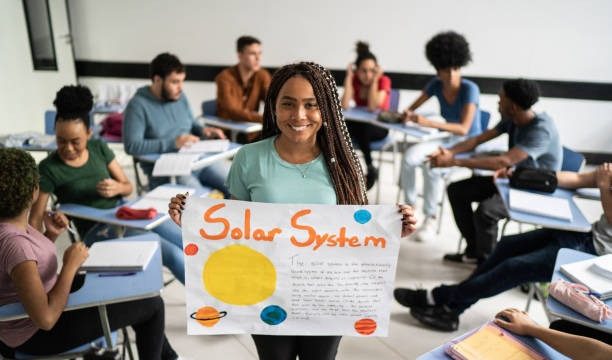
In the vibrant world of education, the concept of collaborative decision-making has emerged as a beacon of hope for creating inclusive, supportive, and effective learning environments.
This approach invites everyone, from teachers and administrators to parents and students, to come together and share their perspectives.
It’s a beautiful tapestry woven from diverse experiences and ideas, creating a richer fabric for school communities.
The idea of collaboration is not new, but its implementation in schools has taken on fresh significance in recent years. As classrooms evolve into more dynamic spaces, the need for collective input has become increasingly clear. When decisions are made together, the outcomes tend to reflect the values and needs of the entire school community, fostering a sense of belonging and responsibility among all participants.
A gentle shift toward inclusivity
Imagine a school where every voice matters. In such an environment, teachers feel empowered to share their insights on curriculum changes, while parents are invited to contribute their thoughts on school events and policies. Students, too, have a vital role to play; their opinions can lead to meaningful changes that enhance their learning experiences. This collaborative spirit not only builds trust but also nurtures a culture where everyone feels valued.
The shift toward collaborative decision-making is often marked by an emphasis on transparency. Schools that embrace this approach tend to prioritize open communication. Regular meetings, forums, and surveys can serve as platforms for sharing ideas and concerns. When individuals know they have a say in the decision-making process, they are more likely to feel invested in the outcomes. This sense of ownership can lead to increased motivation and commitment to the school’s mission.
Building relationships through collaboration
At the heart of collaborative decision-making lies the power of relationships. When educators, parents, and students engage in dialogue, they create bonds that transcend traditional hierarchies. Teachers and parents can share their unique perspectives, gaining insights into each other’s experiences. This exchange fosters understanding and empathy, which are essential components of a healthy school environment.
Moreover, students benefit immensely from witnessing this collaborative spirit. They learn the importance of teamwork, respect, and compromise, skills that extend far beyond the classroom. By participating in discussions about school policies or events, they gain a sense of agency. This not only empowers them to voice their opinions but also teaches them about the responsibilities that come with making decisions.
The art of listening
Listening is a crucial element of collaborative decision-making. It requires patience and an open heart. When individuals take the time to truly hear one another, it paves the way for deeper understanding. In a school setting, this means that every participant must be willing to set aside their preconceived notions and genuinely consider the perspectives of others.
For educators, this can be a transformative practice. Engaging in active listening during meetings or discussions allows them to better understand the needs and concerns of their colleagues, students, and parents. This, in turn, can lead to more informed decisions that reflect the collective wisdom of the community.
Creating a culture of trust
Trust is the foundation upon which collaborative decision-making is built. Without it, individuals may hesitate to share their thoughts or ideas, fearing judgment or dismissal. Schools that prioritize this trust cultivate an environment where everyone feels safe to express themselves. This sense of security encourages honest conversations, leading to more effective problem-solving.
To foster trust, school leaders can model vulnerability by admitting when they don’t have all the answers. By sharing their own challenges and inviting input from others, they demonstrate that collaboration is a shared journey. This authenticity can inspire others to contribute their thoughts freely, knowing that their input is valued.
Navigating challenges together
While collaborative decision-making has many benefits, it is not without its challenges. Differing opinions can sometimes lead to disagreements. However, navigating these moments with grace can strengthen relationships. When conflicts arise, schools can use them as opportunities for growth. By encouraging open dialogue and focusing on common goals, communities can emerge stronger and more united.
Creating a framework for collaboration can also help in addressing potential challenges. Establishing clear guidelines for discussions ensures that everyone understands the process and feels comfortable sharing their thoughts. This structure can minimize misunderstandings and foster a more productive atmosphere.
A lasting impact on student success
Ultimately, the goal of collaborative decision-making in schools is to enhance student success. When educators, parents, and students work together, they create a supportive ecosystem that nurtures learning and growth. Decisions made collaboratively often lead to initiatives that directly benefit students, whether through enhanced programs, improved resources, or a stronger sense of community.
As schools continue to embrace collaborative models, the positive impact on student outcomes becomes increasingly evident. Students thrive when they feel supported by a community that values their input and prioritizes their well-being. The ripple effect of this collaboration can lead to lasting changes that benefit future generations.
In conclusion, understanding collaborative decision-making in schools invites us to reflect on the power of coming together. It reminds us that when diverse voices unite, the possibilities are endless. By fostering relationships, building trust, and navigating challenges together, school communities can create environments where everyone feels heard and valued. This collective approach not only enriches the educational experience but also lays the foundation for a brighter future for all.