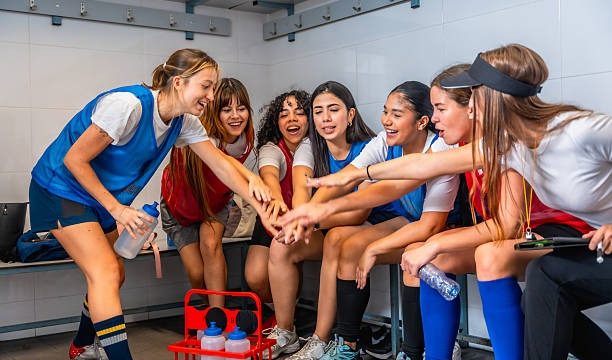
Supporting Learning Recovery with Instructional Leadership
In the ever-evolving landscape of education, the importance of instructional leadership has never been more pronounced.
As we navigate the complexities brought on by recent global events, the need for thoughtful and effective leadership in the classroom is paramount.
At its core, instructional leadership is about guiding teachers and students toward success, creating an environment where learning can flourish. This article explores how supportive instructional leadership can play a vital role in learning recovery, ensuring that every student has the opportunity to thrive.
Understanding instructional leadership begins with recognizing its essence. It’s not merely about overseeing teachers or managing resources; it’s about fostering a culture of collaboration and continuous improvement. Instructional leaders are those who inspire and empower educators, helping them refine their craft and ultimately enhancing student learning experiences. This nurturing approach is particularly crucial now, as many students face learning gaps resulting from disruptions in their educational journey.
Creating a nurturing environment is the first step in this process. Instructional leaders can cultivate a sense of belonging within schools, where teachers feel valued and supported. By encouraging open communication, leaders can establish trust, allowing teachers to share their challenges and successes. This supportive atmosphere not only benefits educators but also ripples outward to students, creating a positive learning environment. When teachers feel confident and appreciated, they are better equipped to inspire their students.
A gentle shift toward collaboration can also yield remarkable results. In many cases, educators may feel isolated in their classrooms, tackling the complexities of teaching alone. Instructional leaders can bridge this gap by fostering collaborative practices among teachers. Creating opportunities for peer observations, team teaching, and sharing best practices can lead to a more cohesive teaching community. When educators come together, they can learn from one another, share innovative strategies, and ultimately enhance the educational experience for their students.
As we reflect on the concept of learning recovery, it’s essential to consider the diverse needs of students. Each learner has a unique story, and understanding these individual narratives is crucial for effective recovery. Instructional leaders can support this journey by promoting differentiated instruction, ensuring that all students receive tailored support. By encouraging teachers to adapt their methods and materials to meet varying needs, leaders can help bridge the gaps that may have emerged during periods of disruption.
Fostering a culture of continuous professional development is another vital aspect of effective instructional leadership. In the face of evolving educational standards and practices, ongoing learning is essential for educators. Instructional leaders can champion professional development opportunities that are meaningful and relevant, allowing teachers to stay informed and engaged. Workshops, coaching, and access to resources empower educators to enhance their skills and apply new strategies in the classroom. This commitment to growth not only benefits teachers but also enriches the learning experiences of students.
As we navigate the terrain of learning recovery, the role of data becomes increasingly significant. Instructional leaders can guide teachers in utilizing data to inform their practices. This doesn’t mean overwhelming educators with numbers but rather using data as a tool for understanding student needs. By analyzing assessments and feedback, leaders can help teachers identify areas for improvement and celebrate successes. This data-driven approach allows for informed decision-making, ensuring that instructional strategies are effective and responsive to student needs.
While the focus on recovery is essential, it’s equally important to nurture a sense of joy in learning. Education should be a vibrant and engaging experience, and instructional leaders can play a pivotal role in fostering this enthusiasm. Encouraging creativity, exploration, and curiosity in the classroom can reignite a love for learning among students. By supporting teachers in integrating innovative practices and hands-on experiences, leaders can help create a dynamic atmosphere where students are eager to participate.
The journey of learning recovery is not a solitary endeavor; it requires the collective efforts of the entire school community. Instructional leaders can facilitate partnerships with families and the broader community, recognizing that education extends beyond the classroom walls. Engaging parents and guardians in the learning process can create a support network for students, reinforcing the value of education at home. By fostering these connections, leaders can help create a holistic approach to learning recovery that encompasses all aspects of a student’s life.
As we look ahead, it’s essential to embrace the idea of resilience in education. The past few years have taught us valuable lessons about adaptability and perseverance. Instructional leaders can model this resilience, demonstrating to both educators and students that challenges can be met with creativity and determination. By promoting a growth mindset, leaders can inspire a culture where setbacks are viewed as opportunities for learning and growth.
The path to supporting learning recovery through instructional leadership is not always linear, but it is filled with promise. By creating nurturing environments, fostering collaboration, and prioritizing professional development, leaders can make a significant impact on the educational landscape. As we work together to rebuild and enhance learning experiences, let us remember that education is a shared journey, one that flourishes when it is approached with care, compassion, and a commitment to continuous improvement.
In the end, the goal of instructional leadership is simple yet profound: to empower educators and inspire students. In doing so, we create a brighter future, one where every learner has the chance to succeed and thrive. As we move forward, let us embrace the possibilities that lie ahead, supporting one another in this vital endeavor of learning recovery. Together, we can cultivate an educational experience that nurtures growth, creativity, and lifelong learning for all.