In the world of education, the conversation is shifting.
More than ever, educators are recognizing the importance of focusing on student strengths rather than solely addressing weaknesses.
This approach not only nurtures a positive learning environment but also fosters a deeper connection between students and their educational journeys.
By embracing teaching methods that highlight individual talents and abilities, we can create a classroom atmosphere that inspires growth, confidence, and a lifelong love for learning.
Recognizing student strengths is like shining a light on a path that often goes unnoticed. Each child comes into the classroom with unique gifts, whether it’s a knack for storytelling, an affinity for numbers, or a creative flair in the arts. When teachers take the time to identify and celebrate these strengths, they cultivate an environment where students feel valued and understood. This acknowledgment can lead to increased motivation and engagement, as students are more likely to thrive in an environment that recognizes their contributions.
One effective method for tapping into student strengths is through personalized learning. This approach allows educators to tailor their teaching strategies to meet the diverse needs of their students. By incorporating lessons that align with students’ interests and strengths, teachers can create a more dynamic and engaging curriculum. For instance, a student who excels in visual arts might be encouraged to express their understanding of a historical event through a creative project instead of a traditional essay. This not only fosters a sense of ownership over their learning but also allows students to shine in areas where they feel most confident.
Creating a strengths-based classroom also involves fostering a growth mindset. This concept, popularized by psychologist Carol Dweck, encourages students to view challenges as opportunities for growth rather than insurmountable obstacles. When educators model a growth mindset, they help students understand that effort and perseverance can lead to improvement. Celebrating small victories, no matter how minor they may seem, reinforces the idea that progress is a journey. This perspective shift can empower students to embrace their strengths while also working on areas that may need improvement.
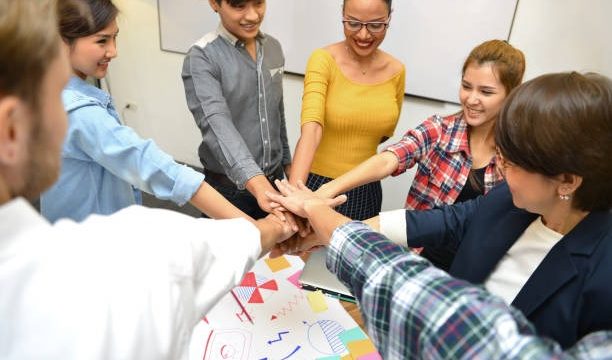
Another gentle yet effective strategy is to incorporate collaborative learning experiences. When students work together on projects or problem-solving tasks, they have the opportunity to showcase their strengths in a supportive environment. This not only enhances social skills but also allows students to learn from one another. A student who may struggle with public speaking could find confidence in a group setting, while another who excels in critical thinking can shine as a leader. By recognizing and utilizing each student’s strengths within a group, educators can create a community of learners who uplift and inspire one another.
Integrating student choice into the learning process is another way to honor individual strengths. When students are given the opportunity to choose how they demonstrate their understanding of a concept, they are more likely to engage deeply with the material. For example, a student passionate about technology might prefer creating a digital presentation, while another who loves writing might choose to craft a story or poem. This autonomy not only enhances motivation but also allows students to express themselves in ways that resonate with their strengths.
Feedback plays a pivotal role in this strengths-based approach. Rather than solely focusing on areas for improvement, providing constructive feedback that highlights what a student did well can be incredibly empowering. Acknowledging specific strengths in a student’s work can encourage them to build on those abilities. This positive reinforcement helps students feel more confident in their skills and more willing to take on new challenges.
Creating a strengths-focused environment also requires a shift in assessment practices. Traditional testing methods often emphasize rote memorization and may not accurately reflect a student’s abilities. By incorporating alternative forms of assessment, such as portfolios, presentations, or project-based evaluations, educators can gain a more holistic understanding of a student’s strengths. This not only allows for a more comprehensive evaluation but also provides opportunities for students to showcase their talents in meaningful ways.
As we explore the importance of teaching methods that focus on student strengths, it’s essential to remember the role of relationships in the educational process. Building strong connections with students creates a sense of belonging and safety, which is crucial for effective learning. When students feel seen and heard, they are more likely to engage fully in their education. Taking the time to get to know each student as an individual can foster trust and encourage them to share their unique perspectives and strengths.
In a world that often emphasizes competition and comparison, shifting the focus to individual strengths can be a transformative experience for both educators and students. It promotes a culture of collaboration, where the success of one is celebrated by all. By cultivating an environment that values diverse talents and abilities, we can help students discover their potential and develop a sense of purpose in their learning journey.
Ultimately, teaching methods that focus on student strengths not only enhance academic achievement but also contribute to the overall well-being of students. When children are encouraged to embrace their unique abilities, they develop a sense of self-worth that extends beyond the classroom. This approach nurtures resilience, creativity, and a lifelong love for learning, equipping students with the skills they need to navigate an ever-changing world.
As we continue to explore innovative teaching practices, let us remember the power of recognizing and celebrating the strengths within each student. By fostering an environment that encourages exploration, creativity, and self-discovery, we can inspire a new generation of learners who are confident, capable, and ready to make their mark on the world. In this gentle journey of education, let us shine a light on the unique gifts that each student brings, creating a brighter future for all.