In our rapidly evolving world, the ability to solve problems effectively is becoming increasingly essential.
Whether in the workplace or in everyday life, the capacity to navigate challenges with creativity and confidence can lead to greater success and satisfaction.
As educators, parents, or mentors, we play a vital role in nurturing these skills in others, especially in young learners.
By adopting specific teaching methods that cultivate problem-solving abilities, we can empower individuals to approach difficulties with a sense of resilience and resourcefulness.
A gentle approach to inquiry-based learning encourages curiosity and exploration. This method invites students to ask questions, seek answers, and engage in the learning process actively. Instead of simply providing information, educators can create an environment where learners feel comfortable to explore their interests and challenge their assumptions. For instance, when introducing a new topic, posing an open-ended question can spark discussions that lead to deeper understanding and critical thinking. This not only strengthens problem-solving skills but also fosters a lifelong love for learning.
Another effective strategy is the incorporation of real-world scenarios into lessons. When students can relate what they are learning to actual situations, they are more likely to engage with the material meaningfully. For example, in a math class, teachers might present a budgeting scenario that requires students to apply their mathematical knowledge to create a feasible plan. This method not only enhances comprehension but also allows students to practice problem-solving in contexts that mirror their lives, making the learning experience more relevant and impactful.
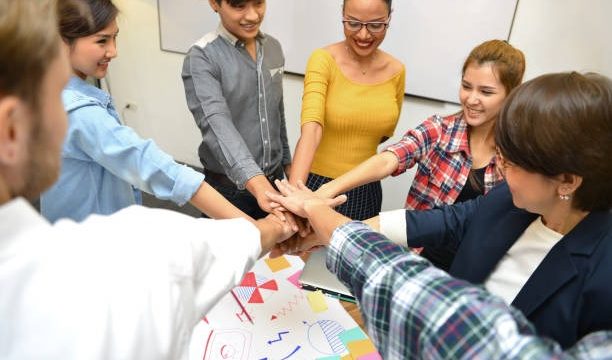
Encouraging collaboration is also beneficial in developing problem-solving skills. Group activities allow students to share ideas, challenge one another’s perspectives, and work together toward a common goal. This collaborative approach nurtures communication skills and teaches individuals how to leverage each other’s strengths. In a group setting, learners may encounter diverse viewpoints, prompting them to think critically and adapt their strategies. As they navigate these interactions, they gain valuable insights into conflict resolution and the importance of teamwork.
Creating a safe space for failure is another key aspect of teaching problem-solving skills. In a supportive environment, students can view mistakes as opportunities for growth rather than setbacks. Encouraging a mindset where failure is seen as a stepping stone to success allows learners to take risks and experiment with different solutions. Teachers can share their own experiences with failure, illustrating that it is a natural part of the learning journey. This openness can foster resilience and help students build confidence in their ability to overcome obstacles.
Integrating technology into the learning process can also enhance problem-solving skills. Digital tools provide a wealth of resources and opportunities for exploration. For instance, coding and robotics programs encourage students to think logically and systematically as they create solutions to challenges. These activities often require a trial-and-error approach, reinforcing the idea that persistence is key to problem-solving. By utilizing technology, educators can engage students in innovative ways, making learning both dynamic and enjoyable.
A small shift toward balance can also play a significant role in developing problem-solving skills. Encouraging mindfulness practices in the classroom can help students manage stress and improve focus. Techniques such as deep breathing, meditation, or even short breaks for reflection can enhance cognitive function and emotional regulation. When students feel centered and calm, they are better equipped to approach problems with clarity and creativity. This holistic approach to education nurtures not only the mind but also the spirit, creating well-rounded individuals.
Incorporating the arts into education can further enrich the development of problem-solving skills. Creative expression through art, music, or drama invites students to think outside the box and approach challenges from different angles. For instance, a project that combines storytelling with scientific concepts can engage students in a way that traditional methods may not. The arts encourage experimentation and innovation, allowing learners to express their ideas and solutions uniquely. This creative aspect can be particularly beneficial for those who may struggle with conventional approaches to problem-solving.
As we explore these various teaching methods, it’s essential to recognize the role of reflection in the learning process. Encouraging students to reflect on their experiences, strategies, and outcomes can deepen their understanding of problem-solving. Journaling, group discussions, or even one-on-one conversations can provide valuable insights into what worked and what didn’t. This practice not only fosters self-awareness but also helps students develop a toolkit of strategies they can rely on in future challenges.
Ultimately, teaching methods that strengthen problem-solving skills are about more than just imparting knowledge; they are about fostering a mindset of growth and resilience. By creating environments that encourage inquiry, collaboration, and creativity, we empower learners to embrace challenges with confidence. Whether through real-world applications, the integration of technology, or the nurturing of artistic expression, we can cultivate the skills necessary for navigating life’s complexities.
As we embrace these teaching methods, let us remember that the journey of learning is as important as the destination. By instilling a love for problem-solving in our students, we are preparing them not only for academic success but for a fulfilling life filled with curiosity and adventure. In a world where change is the only constant, the ability to solve problems effectively is a gift that will serve them well throughout their lives. Together, let us inspire the next generation to approach challenges with an open heart and a curious mind.