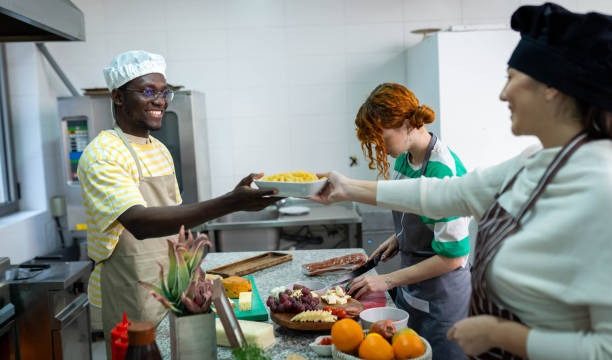
In today’s interconnected world, collaborative learning has emerged as a transformative approach to education.
It emphasizes teamwork, communication, and shared responsibility among learners.
As we delve into teaching methods that support this enriching style of learning, we’ll explore how educators can foster an environment where collaboration flourishes, enhancing not just academic performance but also social skills and personal growth.
A nurturing environment for collaboration
Creating a space where students feel comfortable working together is essential. This begins with establishing a classroom culture that values respect, empathy, and open-mindedness. When students know they are in a safe environment, they are more likely to express their thoughts, share ideas, and engage in meaningful discussions. Teachers can encourage this atmosphere by modeling respectful communication and actively promoting inclusive practices.
It’s also beneficial to incorporate icebreaker activities that allow students to get to know each other. Simple games or discussion prompts can help build relationships, making it easier for students to collaborate later on. When learners feel a sense of belonging, they are more willing to contribute to group efforts, leading to richer collaborative experiences.
Fostering interdependence
One of the cornerstones of collaborative learning is interdependence, where students rely on each other to achieve common goals. To nurture this, educators can assign group projects that require diverse skills and perspectives. For instance, in a science class, students might be tasked with researching an environmental issue. Each member could take on a different aspect—one focusing on research, another on presentation design, and another on data analysis. By structuring tasks in this way, students recognize that each person’s contribution is vital to the success of the group.
Additionally, incorporating peer assessments can reinforce the idea of interdependence. When students evaluate each other’s work, they gain insights into different approaches and perspectives, fostering a deeper understanding of the material. This practice not only builds collaborative skills but also encourages students to be more reflective about their own learning.
Encouraging open dialogue
Effective communication is at the heart of collaboration. Educators can support this by teaching students how to express their thoughts clearly and listen actively. Role-playing exercises can be a delightful way to practice these skills. For example, students can engage in discussions where they must articulate their opinions while also summarizing their peers’ viewpoints. This not only hones their communication skills but also cultivates a sense of respect for differing opinions.
Furthermore, creating structured discussion formats, such as think-pair-share, can help students articulate their ideas in a low-pressure environment. These methods encourage quieter students to participate, ensuring that every voice is heard and valued. When students learn to communicate effectively, they are better equipped to collaborate, leading to more productive group dynamics.
Integrating technology thoughtfully
In our digital age, technology can play a pivotal role in facilitating collaborative learning. Online platforms such as discussion forums, collaborative documents, and project management tools allow students to work together seamlessly, even outside the classroom. Educators can introduce these tools in a way that enhances the collaborative experience rather than detracting from face-to-face interaction.
For instance, using a shared document for group projects can allow students to brainstorm ideas in real time. They can see each other’s contributions, providing instant feedback and fostering a sense of teamwork. However, it’s essential to strike a balance—while technology can enhance collaboration, it’s equally important to encourage direct interaction. Regular check-ins during group work can help maintain this balance, ensuring that students are not solely relying on digital communication.
Promoting reflection and feedback
Collaboration is not just about working together; it’s also about reflecting on the process and outcomes. Educators can support this by incorporating regular reflection sessions into group projects. After completing a task, students can discuss what worked well, what challenges they faced, and how they can improve in future collaborations. This reflective practice helps students develop a growth mindset, encouraging them to view challenges as opportunities for learning.
In addition to self-reflection, providing constructive feedback is crucial. Teachers can guide students in giving and receiving feedback in a positive, supportive manner. This practice not only enhances the collaborative experience but also fosters a culture of continuous improvement. When students learn how to provide helpful feedback, they build trust and respect within their groups.
Embracing diversity
Collaboration thrives in diverse environments. When students from various backgrounds come together, they bring unique perspectives and ideas. Educators can cultivate this diversity by forming groups intentionally, ensuring a mix of skills, experiences, and viewpoints. This approach enriches discussions and encourages students to think critically about their assumptions and beliefs.
Moreover, incorporating culturally responsive teaching practices can enhance collaborative learning. By acknowledging and valuing the diverse backgrounds of students, educators can create a more inclusive atmosphere. Activities that celebrate different cultures can foster appreciation and understanding, making collaboration feel more meaningful and relevant to all learners.
A journey toward lifelong collaboration
As educators embrace teaching methods that support collaborative learning, they are not just preparing students for academic success; they are equipping them with vital life skills. Collaboration is a fundamental aspect of the modern workplace and community engagement. By fostering these skills in the classroom, educators are nurturing a generation that values teamwork, empathy, and open-mindedness.
Ultimately, the journey toward effective collaborative learning is about creating connections. Whether through meaningful discussions, shared projects, or reflective practices, the goal is to cultivate an environment where students feel empowered to learn from one another. As we navigate this path, we can look forward to a future where collaboration is not just an educational practice but a way of life. In this shared journey, we all have the opportunity to grow, learn, and thrive together.