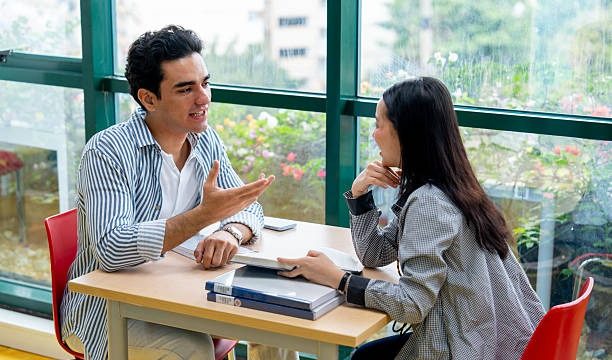
In the world of education, the voices of students often go unheard.
Their thoughts and feelings about their learning experiences can provide invaluable insights that not only enhance teaching methods but also foster a more engaging and participatory classroom environment.
By actively listening to student feedback, educators can create a more vibrant, inclusive atmosphere that encourages participation and collaboration.
Creating a culture of openness
Fostering an environment where students feel comfortable sharing their thoughts is essential. When students believe their opinions matter, they are more likely to engage actively in their learning journey. This begins with creating a culture of openness. Educators can initiate conversations that invite feedback, ensuring that students understand their voices are valued.
One effective way to do this is through regular check-ins. These can be informal discussions or structured feedback sessions where students can express their thoughts on lessons, activities, and classroom dynamics. By actively seeking their input, teachers demonstrate that they are invested in their students’ experiences, paving the way for a more collaborative learning environment.
Listening to the little things
Sometimes, it’s the small details that can make a significant difference in student participation. Feedback on classroom layout, the pace of lessons, or even the choice of materials can reveal what engages students the most. For instance, some students may thrive in a more interactive setting, while others might prefer a quieter atmosphere for reflection. By listening to these nuances, educators can adapt their teaching strategies to better suit the diverse needs of their students.
Encouraging students to share their thoughts can also be done through anonymous surveys or suggestion boxes. This not only gives a voice to those who may be shy or hesitant to speak up but also provides teachers with a broader understanding of the classroom dynamic. It’s about creating a space where students feel safe to express their preferences and concerns.
Building connections through feedback
When students provide feedback, it should be met with thoughtful responses. Acknowledging their input shows that educators are not only listening but are also willing to make changes based on their suggestions. This builds a sense of community and connection within the classroom. When students see that their feedback leads to tangible changes, they become more invested in the learning process.
For example, if students express a desire for more group work, teachers can integrate collaborative projects into the curriculum. By doing so, educators not only validate their students’ opinions but also enhance engagement by catering to their interests. This reciprocal relationship fosters a sense of belonging and encourages students to participate more actively.
A small shift toward balance
Incorporating student feedback into classroom practices doesn’t mean abandoning established teaching methods. Instead, it’s about finding a balance between traditional approaches and innovative ideas based on student input. By blending these elements, educators can create a more dynamic learning experience that resonates with all students.
For instance, if a teacher typically uses lectures as their primary teaching method, incorporating student-led discussions or interactive activities can invigorate the learning experience. This shift not only makes lessons more engaging but also empowers students to take ownership of their learning.
Celebrating diverse voices
Every student brings a unique perspective to the classroom, shaped by their backgrounds, interests, and experiences. Embracing this diversity is crucial in promoting participation. When students see their identities and experiences reflected in the curriculum, they are more likely to engage and contribute.
Educators can encourage this by actively seeking diverse viewpoints in discussions. Inviting students to share their stories or perspectives on a topic can enrich the learning experience for everyone. It’s about creating a tapestry of voices that enhances understanding and fosters empathy among classmates.
The power of reflection
Reflection is an integral part of the learning process, and it can be significantly enhanced by student feedback. Encouraging students to reflect on their learning experiences not only helps them internalize what they’ve learned but also gives them a platform to voice their thoughts. This can be done through journaling, group discussions, or even creative projects that allow students to express their understanding in various ways.
When students engage in reflective practices, they develop critical thinking skills and a deeper appreciation for their learning journey. This, in turn, leads to greater participation as they become more aware of their learning preferences and areas for growth.
Creating a supportive environment
Ultimately, the goal of integrating student feedback is to create a supportive environment where everyone feels valued and encouraged to participate. This means recognizing that every student is unique and may require different approaches to engage fully. By being attentive to their needs and preferences, educators can cultivate a space that celebrates individuality while promoting collective growth.
As the educational landscape continues to evolve, the importance of student feedback cannot be overstated. By actively listening and responding to their voices, educators can create a more enriching and participatory learning experience. This not only benefits students academically but also nurtures their social and emotional well-being.
In conclusion, using student feedback to promote participation is a powerful tool in the hands of educators. It opens doors for collaboration, fosters a sense of community, and enhances the overall learning experience. By embracing the voices of students, we can create classrooms that are not just places of learning but vibrant spaces of discovery and connection. As we continue to listen and adapt, we pave the way for future generations to thrive, both academically and personally.