In the rapidly evolving landscape of education, the need for innovative assessment methods has become increasingly evident.
Traditional testing methods often fail to capture the full spectrum of student learning, creativity, and understanding.
As educators seek to create more engaging and meaningful experiences for their students, creative summative assessments are emerging as a powerful tool.
These assessments can not only evaluate student learning but also foster a deeper connection to the material, encouraging students to express their knowledge in unique and personal ways.
The essence of creative summative assessment lies in its flexibility. Unlike conventional tests that often rely on rote memorization, creative assessments invite students to demonstrate their understanding through various mediums. This could include projects, presentations, digital storytelling, or even artistic expressions. By allowing students to choose how they showcase their learning, educators can tap into their individual strengths and interests, making the assessment process more enjoyable and effective.
A small shift toward balance can make a significant difference in how students perceive assessments. When students feel that their voices and choices are valued, they are more likely to engage deeply with the content. For instance, instead of a standard essay, a teacher might encourage students to create a podcast discussing a historical event. This shift not only allows for a deeper exploration of the subject matter but also helps students develop skills that are increasingly relevant in today’s world, such as digital literacy and communication.
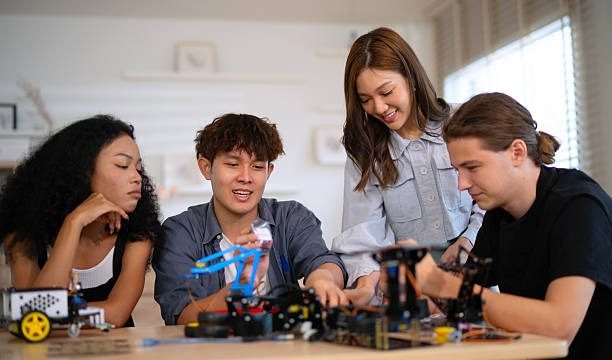
Incorporating creative assessments also offers a unique opportunity to foster collaboration among students. Group projects can help students learn from one another, encouraging teamwork and the exchange of ideas. Imagine a classroom where students work together to create a documentary on environmental issues affecting their community. Through this project, they not only learn about the topic at hand but also develop important social skills and a sense of accountability to their peers. The collaborative spirit can transform the atmosphere of the classroom, making it a vibrant space where learning thrives.
As educators explore creative summative assessments, it’s essential to maintain clarity in expectations. While creativity is encouraged, students should still have a clear understanding of the assessment criteria. This can be achieved through collaborative discussions and rubrics that outline the goals of the project. By doing so, students can feel empowered to take creative risks while also knowing how their work will be evaluated. This balance of freedom and structure can lead to more meaningful learning experiences.
Another aspect to consider is the integration of technology in creative assessments. In today’s digital age, students are often more comfortable with technology than traditional learning tools. Using platforms for video editing, graphic design, or online collaboration can enhance the creative process. For example, a student might choose to create an interactive website as a final project for a literature unit, bringing their understanding of the text to life in a way that resonates with their personal experiences and interests. Technology not only broadens the scope of creative assessments but also prepares students for a future where digital skills are paramount.
Reflecting on the process of creative summative assessment can also be enriching for both students and educators. Encouraging students to engage in self-assessment and peer feedback can deepen their understanding of the subject matter and their own learning journey. After completing a project, students might participate in a reflection session where they discuss what they learned, the challenges they faced, and how they overcame them. This practice not only solidifies their understanding but also fosters a growth mindset, emphasizing that learning is a continuous process.
Creating an environment that supports creative summative assessment requires a culture of trust and encouragement. Educators play a crucial role in modeling this environment by celebrating creativity and effort, regardless of the final product. When students feel safe to express their ideas, they are more likely to take risks and explore new concepts. This nurturing atmosphere can lead to a more engaged classroom, where students are excited to share their insights and discoveries.
Incorporating elements of mindfulness into the assessment process can further enhance the experience. For instance, allowing students to choose the time and space where they feel most comfortable working on their projects can lead to a more productive and fulfilling experience. Mindful practices such as setting intentions or taking breaks can help students manage any stress they may feel about assessments. By promoting a holistic approach to learning, educators can ensure that assessments are not just tasks to complete but opportunities for growth and exploration.
As we move toward a more inclusive and dynamic educational landscape, the importance of creative summative assessments cannot be overstated. By embracing these innovative approaches, educators can inspire students to connect with their learning on a deeper level. This shift not only benefits students academically but also nurtures their personal growth, creativity, and critical thinking skills.
Ultimately, creative summative assessment is about more than just measuring knowledge; it’s about cultivating a love for learning. When students are given the opportunity to express themselves and explore their interests, they become active participants in their education. This engagement paves the way for lifelong learners who are not only prepared for the challenges of the future but are also equipped to contribute positively to their communities.
In the end, the journey toward creative summative assessments is a collaborative one, involving educators, students, and the broader community. By fostering an environment that values creativity, collaboration, and self-expression, we can create classrooms that are not just places of learning but also spaces where students feel empowered to share their unique voices and perspectives. As we navigate this exciting path, let us remember that the goal is not merely to assess but to inspire, nurture, and celebrate the diverse talents of every student.