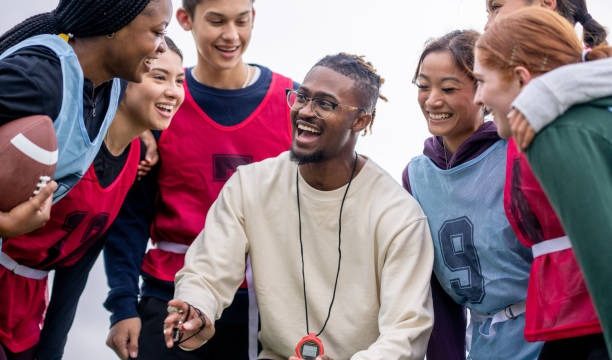
In the ever-evolving landscape of education, understanding how students learn is a journey that invites collaboration between educators and learners.
One of the most powerful tools in this journey is student feedback.
This feedback serves not only as a window into the minds of students but also as a guide that helps identify learning gaps. By nurturing an environment where students feel comfortable sharing their thoughts, educators can create a more inclusive and effective learning experience.
Creating a culture of openness
At the heart of effective feedback lies the importance of creating a culture of openness. When students feel safe to express their thoughts, concerns, and questions, they are more likely to share valuable insights about their learning experiences. This culture doesn’t just benefit the students; it enriches the entire classroom environment. Teachers who actively invite feedback demonstrate that they value their students’ opinions, fostering a sense of belonging and trust.
Encouraging students to voice their perspectives can take many forms. From informal discussions after class to structured surveys, the key is to ensure that every student knows their voice matters. When students provide honest feedback about their understanding of the material, educators gain a clearer picture of where students may struggle.
Understanding the learning gaps
Learning gaps can often be elusive, hiding beneath the surface of grades and test scores. When educators rely solely on quantitative measures, they might miss the nuances of individual student experiences. Here, student feedback acts as a compass, guiding educators toward areas that need attention. For instance, a student may excel in mathematics but struggle with word problems. By expressing their difficulties, they help teachers identify specific skills that require reinforcement.
Feedback can reveal patterns that may not be obvious at first glance. A teacher might notice that several students find a particular concept challenging. This collective insight allows educators to adjust their teaching strategies, possibly revisiting the concept with a different approach or providing additional resources. In this way, student feedback becomes a bridge to understanding diverse learning needs.
The power of reflection
Encouraging students to reflect on their learning experiences is another vital aspect of gathering feedback. Reflection allows students to think critically about what they have learned and how they have engaged with the material. This process not only enhances their understanding but also empowers them to take ownership of their education.
Teachers can facilitate reflection through guided questions or journaling activities. By prompting students to consider what strategies worked well for them and where they encountered obstacles, educators can gain deeper insights into the learning process. This reflective practice can illuminate gaps in knowledge and understanding that might otherwise go unnoticed.
Building a responsive learning environment
When educators actively incorporate student feedback into their teaching practices, they create a responsive learning environment. This approach encourages a dynamic exchange of ideas, where students and teachers collaborate to enhance the learning experience. By adapting lessons based on student input, educators demonstrate their commitment to meeting the diverse needs of their students.
For example, if students express difficulty with a specific topic, a teacher might introduce supplemental materials or modify lesson plans to include more interactive elements. This responsiveness not only helps address immediate learning gaps but also cultivates a growth mindset among students. They begin to see challenges as opportunities for growth rather than insurmountable obstacles.
Fostering a sense of agency
When students are given the opportunity to share their feedback and see it acted upon, they develop a sense of agency in their learning. This empowerment can lead to increased motivation and engagement. Students who feel that their opinions are valued are more likely to take an active role in their education, seeking help when needed and participating more fully in classroom discussions.
Encouraging agency goes beyond just feedback; it’s about instilling confidence in students. When they realize that their insights influence their learning environment, they become more invested in their own success. This shift in perspective can transform the classroom dynamic, leading to a more collaborative and supportive atmosphere.
The role of technology
In today’s digital age, technology offers an array of tools that can facilitate the feedback process. Online surveys, learning management systems, and interactive platforms allow educators to gather student insights efficiently. These tools can help streamline the feedback process, making it easier for students to express their thoughts in a comfortable setting.
Moreover, technology can provide real-time data on student engagement and comprehension. Educators can analyze this data alongside student feedback to gain a comprehensive understanding of learning gaps. This combination of qualitative and quantitative insights allows for a more nuanced approach to addressing student needs.
Looking ahead
As we navigate the complexities of education, it is essential to recognize the invaluable role of student feedback in identifying learning gaps. By fostering an environment of openness and reflection, educators can create a more responsive and engaging learning experience. This collaborative approach not only enhances student outcomes but also nurtures a lifelong love of learning.
In embracing student feedback, educators embark on a journey of continuous improvement. This commitment to understanding and addressing learning gaps transforms the educational landscape, creating a space where every student can thrive. As we look to the future, let us celebrate the power of student voices and the possibilities that arise when we listen and respond with intention. Together, we can build a brighter, more inclusive future for education.