In the ever-evolving landscape of education, the emphasis on authentic learning experiences has become a guiding principle for educators seeking to engage their students meaningfully.
One of the key components in this approach is summative assessment, a crucial tool that helps educators evaluate the extent to which students have grasped concepts and skills.
This article explores the harmonious relationship between summative assessment and authentic learning, illustrating how they can work together to create a rich educational experience.
As education shifts towards more personalized and experiential learning, summative assessments are being reimagined. Traditionally viewed as a final judgment of student performance, summative assessments are now seen as opportunities for reflection and growth. They provide a snapshot of learning at a specific point in time, allowing both students and educators to understand where they stand and what steps might be needed moving forward. This shift encourages a more holistic view of learning, one that values the journey as much as the destination.
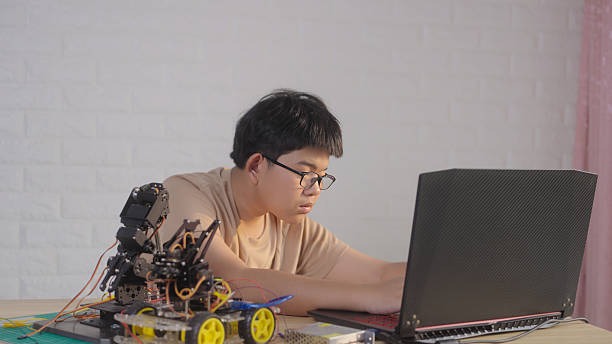
Incorporating authentic learning experiences into summative assessments means creating opportunities for students to demonstrate their understanding in real-world contexts. Rather than simply regurgitating facts or completing standardized tests, students might engage in projects that require critical thinking, creativity, and collaboration. For instance, a science class might culminate in a project where students design and present solutions to local environmental challenges. This approach not only assesses knowledge but also nurtures skills that are essential in everyday life.
A gentle shift toward balance is needed when integrating summative assessments with authentic learning. It’s important to remember that while assessments are essential for measuring understanding, they should not overshadow the learning process itself. Educators can create a supportive framework where assessments are intertwined with learning activities, allowing students to view them as part of their educational journey rather than an endpoint. This balance fosters a sense of ownership over their learning and encourages a growth mindset.
One of the most rewarding aspects of authentic learning is the opportunity for students to connect their studies to their passions and interests. When assessments allow for creativity and personal expression, students are more likely to engage deeply with the material. For example, a literature class might invite students to create a multimedia presentation or a dramatic interpretation of a novel they’ve studied. This not only assesses their understanding of the text but also allows them to explore their unique perspectives and talents.
Furthermore, summative assessments designed with authenticity in mind can promote collaboration among students. When learning is framed as a shared journey, students can work together on projects that reflect their collective understanding. This collaborative spirit enhances social skills and encourages students to learn from one another, fostering a sense of community within the classroom. Educators can facilitate this by creating group assessments that require teamwork, encouraging students to appreciate diverse viewpoints and approaches.
The feedback loop created through authentic summative assessments is another crucial element. Rather than simply receiving a grade, students can engage in meaningful discussions about their performance, reflecting on what worked well and what could be improved. This dialogue encourages self-assessment and critical thinking, empowering students to take charge of their learning. By providing constructive feedback and opportunities for reflection, educators can help students recognize their strengths and areas for growth, nurturing a lifelong love of learning.
As we consider the role of technology in education, it becomes clear that it can enhance both summative assessments and authentic learning experiences. Digital tools can facilitate creative presentations, collaborative projects, and even virtual simulations that reflect real-world scenarios. For instance, students might use online platforms to create a digital portfolio showcasing their work throughout the year, demonstrating their learning journey in a way that feels personal and meaningful.
Creating assessments that resonate with students’ experiences and aspirations is essential for fostering a love of learning. When students see the relevance of what they are studying, they are more likely to engage deeply and take pride in their accomplishments. This connection can be particularly powerful in subjects that may seem abstract or disconnected from everyday life. By incorporating real-world applications into summative assessments, educators can help students understand the significance of their learning and its implications beyond the classroom.
In the quest for authentic learning, it’s essential to cultivate a supportive environment where students feel safe to take risks and explore new ideas. Summative assessments should reflect this ethos, encouraging students to push their boundaries and think critically. When assessments are designed with empathy and understanding, they can become moments of celebration rather than anxiety. This shift in perspective can transform the way students approach learning, viewing challenges as opportunities for growth rather than obstacles to overcome.
As we navigate the complexities of education in the modern world, the integration of summative assessments with authentic learning experiences offers a pathway toward richer, more meaningful educational journeys. By embracing a balanced approach, educators can create assessments that not only measure understanding but also inspire creativity, collaboration, and a lifelong love for learning.
Ultimately, the goal is to nurture well-rounded individuals who are not only knowledgeable but also capable of applying their skills in various contexts. By fostering an environment where learning is authentic and assessments are reflective of real-world challenges, we can empower students to thrive in an ever-changing landscape. In this harmonious blend of summative assessment and authentic learning, we find a beautiful opportunity for growth, exploration, and connection.