In the world of education, assessment often feels like a necessary hurdle, a way to measure knowledge rather than a celebration of learning.
However, summative assessment can be reimagined as an opportunity to recognize the hard work and growth of students.
When we approach assessment with a mindset focused on celebration, we foster an environment where learners feel valued and motivated to continue their educational journey.
The traditional view of summative assessment tends to emphasize grades and scores, creating a sense of anxiety rather than joy. Yet, what if we shifted this perspective? What if we saw assessments as a culmination of efforts, a moment to reflect on progress rather than merely a tool for evaluation? This gentle shift can transform the way both educators and students experience learning.
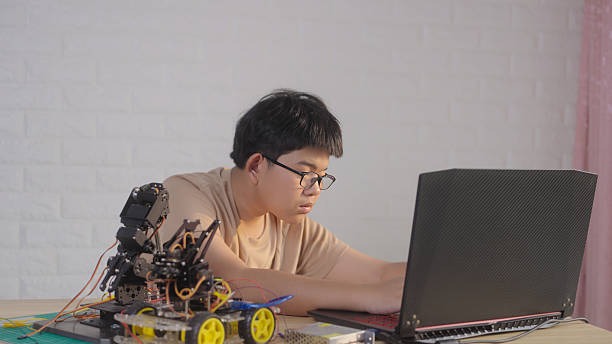
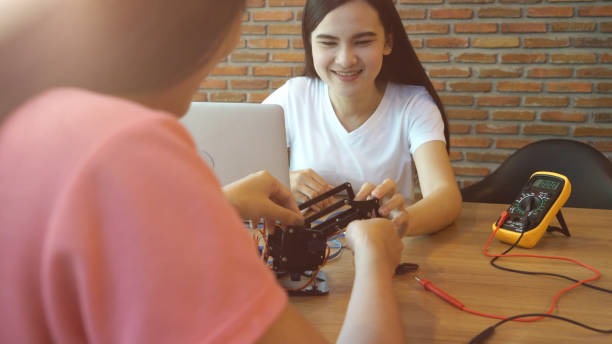
Creating a culture of celebration in assessment begins with understanding the diverse ways students learn. Each learner brings a unique set of strengths, challenges, and experiences to the classroom. By recognizing and honoring these differences, educators can design assessments that reflect individual journeys. Rather than a one-size-fits-all test, consider assessments that allow students to showcase their understanding through various formats, such as projects, presentations, or portfolios. This not only highlights their knowledge but also their creativity and personal growth.
A small shift toward balance can also be found in the way feedback is delivered. Constructive feedback should be framed positively, focusing on what students did well and how they can continue to improve. For instance, instead of solely pointing out areas of weakness, educators can acknowledge the effort and strategies that led to successes. This nurturing approach fosters resilience and encourages students to embrace challenges rather than shy away from them.
Incorporating self-assessment is another gentle way to celebrate learning efforts. When students are invited to reflect on their own work, they become active participants in their learning process. This practice not only promotes self-awareness but also empowers learners to take ownership of their educational journey. Through guided reflection, students can identify their strengths and areas for growth, allowing them to set personal goals that align with their aspirations.
The potential for summative assessment to celebrate learning efforts extends beyond the classroom walls. Involving families in the assessment process can create a supportive community that acknowledges each student’s achievements. Sharing progress reports or showcasing student projects during family events can foster a sense of pride and collaboration. When families are engaged, students often feel a greater sense of validation, knowing that their efforts are recognized and appreciated by those who matter most.
Moreover, integrating technology into assessments can offer exciting opportunities for celebration. Digital platforms allow for interactive presentations, collaborative projects, and creative showcases that can highlight individual learning journeys. Students can use multimedia tools to express their understanding in ways that resonate with their interests and strengths. This not only makes learning more engaging but also allows educators to see the full spectrum of student effort and creativity.
As we consider the role of summative assessments in education, it’s essential to reflect on our own attitudes toward learning. When educators model a growth mindset, they inspire students to embrace challenges and view setbacks as opportunities for growth. Sharing personal stories of learning, including struggles and triumphs, can help demystify the assessment process and make it feel less intimidating.
It’s also important to celebrate the small victories along the way. Recognizing milestones, whether they’re improvements in understanding a challenging concept or the completion of a long-term project, can instill a sense of accomplishment in students. Celebrations can take many forms, from simple verbal acknowledgments to classroom celebrations that highlight collective achievements. By celebrating these moments, educators reinforce the idea that learning is a journey filled with ups and downs, and every step is worthy of recognition.
In creating an environment where summative assessment celebrates learning efforts, we foster a culture of positivity and encouragement. Students who feel valued are more likely to take risks, engage deeply with the material, and develop a lifelong love for learning. The goal is not merely to measure knowledge but to inspire a sense of curiosity and a desire to explore the world around them.
Ultimately, the journey of education is about more than just grades; it’s about growth, resilience, and connection. By shifting our perspective on summative assessments, we can create a space where learning is celebrated in all its forms. Each assessment becomes an opportunity to honor the hard work and dedication of students, reminding them that their efforts are seen, appreciated, and integral to their personal and academic journeys.
As we navigate the landscape of education, let us embrace the notion that learning is a beautiful tapestry woven from diverse experiences. By celebrating the unique paths of each learner, we can cultivate an atmosphere where every achievement, no matter how small, is recognized and cherished. In this way, summative assessment can transform from a mere evaluation tool into a heartfelt celebration of learning efforts, inspiring students to continue their exploration with enthusiasm and joy.