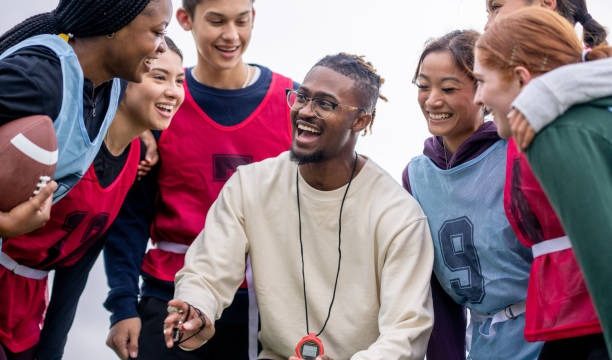
In the heart of every classroom lies a dynamic exchange of ideas, emotions, and aspirations.
Teachers, often the unsung heroes of society, play a crucial role in shaping the minds and hearts of future generations.
As the world continues to evolve, so too must the methods by which we prepare these educators.
Teacher training that emphasizes effective communication is not just beneficial; it is essential. This approach fosters not only academic growth but also emotional and social development, creating a nurturing environment for both teachers and students.
The essence of effective communication in education transcends the mere exchange of information. It is about connection, understanding, and empathy. When teachers are trained to communicate effectively, they cultivate an atmosphere of trust and respect. This allows students to feel safe expressing their thoughts, asking questions, and engaging in meaningful discussions. The classroom becomes a vibrant space where learning flourishes, and relationships deepen.
A small shift toward balance can make a world of difference. Traditional teacher training programs often focus heavily on curriculum and instructional strategies. While these elements are undeniably important, they sometimes overlook the interpersonal skills that are equally vital in a classroom setting. By incorporating communication skills into the training curriculum, future educators can learn to navigate the complexities of student interactions, manage conflicts, and foster a sense of community among their students.
One of the most impactful aspects of communication training is the emphasis on active listening. Teachers who are trained to listen attentively not only make their students feel valued but also gain insights into their needs and challenges. This skill goes beyond simply hearing what is said; it involves understanding the underlying emotions and motivations. When teachers practice active listening, they can respond more thoughtfully, creating a supportive environment where students are encouraged to express themselves openly.
Moreover, effective communication is a two-way street. It involves not only how teachers convey information but also how they receive feedback from their students. Training programs that incorporate techniques for soliciting and valuing student input can lead to a more collaborative classroom dynamic. When students see that their opinions matter, they are more likely to engage actively in their learning journey. This sense of agency can be transformative, fostering a love for learning that extends beyond the classroom walls.
Creating a culture of open dialogue is another crucial element of effective communication in education. Teacher training can provide strategies for facilitating discussions that encourage diverse perspectives and critical thinking. By modeling respectful discourse, teachers can empower students to engage with differing viewpoints, enhancing their ability to navigate the complexities of the world around them. In this way, classrooms become microcosms of society, preparing students not just academically but also socially and emotionally for the challenges they will face beyond school.
The role of non-verbal communication cannot be understated either. Body language, eye contact, and tone of voice all convey messages that can significantly impact how information is received. Teacher training that highlights these non-verbal cues can help educators become more aware of how they present themselves and the messages they send. This awareness can enhance their interactions with students, leading to a more inclusive and understanding classroom environment.
Incorporating technology into teacher training can also play a vital role in enhancing communication skills. Digital platforms offer innovative ways for educators to connect with students and foster collaboration. Online discussion boards, video conferencing, and interactive tools can facilitate communication that transcends geographical barriers. Training teachers to utilize these resources effectively allows them to reach every student, regardless of their circumstances.
As we consider the broader implications of effective communication in education, it is essential to recognize the impact on teacher well-being. Educators who are equipped with strong communication skills often experience greater job satisfaction and reduced stress. When they can express themselves clearly and connect with their students meaningfully, they are less likely to feel overwhelmed by the challenges of their profession. This, in turn, leads to a more positive classroom atmosphere, benefiting both teachers and students alike.
The journey toward fostering effective communication in teacher training is ongoing. It requires a commitment to continuous improvement and reflection. Educators, administrators, and training programs must work collaboratively to identify and implement best practices that prioritize communication skills. This collective effort can lead to a ripple effect, transforming not only individual classrooms but also entire schools and communities.
As we look to the future, it is clear that effective communication is a cornerstone of successful education. By investing in teacher training that emphasizes these skills, we are investing in the future of our children and society as a whole. The benefits extend far beyond academic achievements; they encompass emotional intelligence, resilience, and the ability to engage thoughtfully with the world.
In conclusion, teacher training that encourages effective communication is more than a professional development initiative; it is a holistic approach to education. By nurturing the art of communication, we empower teachers to inspire their students, create a positive classroom culture, and foster lifelong learners. As we continue to evolve in our educational practices, let us remember the profound impact that effective communication can have on shaping the hearts and minds of the next generation. Together, we can cultivate an educational landscape where every voice is heard, respected, and valued.