In today’s fast-paced world, effective communication is more important than ever.
For students, mastering this skill can open doors to academic success, meaningful friendships, and future career opportunities.
While the importance of communication is widely acknowledged, the journey to developing these skills can feel overwhelming. However, there are gentle, approachable strategies that can help students cultivate strong communication abilities.
A nurturing environment is key to fostering communication skills. When students feel safe and supported, they are more likely to express their thoughts and ideas freely. Teachers and parents can create this atmosphere by encouraging open discussions and valuing every student’s opinion. Simple gestures, like nodding and maintaining eye contact during conversations, can go a long way in making students feel heard and appreciated. This foundation of trust allows them to explore their communication styles without fear of judgment.
An essential aspect of effective communication is active listening. While it may seem straightforward, many individuals struggle to truly listen. Students can benefit from practicing active listening techniques, such as reflecting back what they’ve heard or asking clarifying questions. This not only enhances their understanding but also shows the speaker that they are valued. Engaging in group activities and discussions can provide students with ample opportunities to hone their listening skills. When they focus on understanding their peers, they are simultaneously learning to articulate their own thoughts more clearly.
Storytelling is another powerful tool that can help students connect with others and express themselves more effectively. Encouraging students to share personal anecdotes or experiences fosters a sense of community and belonging. Storytelling also allows them to experiment with different tones, vocabulary, and styles, which contributes to their overall communication prowess. Whether it’s through writing, oral presentations, or even informal conversations, sharing stories can be a delightful way for students to practice and develop their skills.
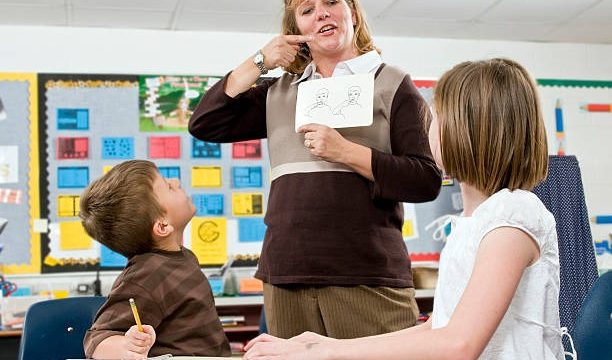
The art of nonverbal communication often goes unnoticed, yet it plays a significant role in how messages are conveyed. Students can benefit from becoming more aware of their body language, facial expressions, and gestures. Simple exercises, such as practicing in front of a mirror or participating in drama classes, can help them become more attuned to their nonverbal cues. Understanding how to read others’ body language can enhance their ability to respond appropriately in various situations. This awareness is invaluable in building rapport and fostering positive relationships.
Incorporating technology into communication practice can also be beneficial. With the rise of digital communication, students should be encouraged to express themselves through various platforms, such as blogs, social media, or video presentations. This not only helps them adapt to modern communication trends but also allows them to explore their creativity. However, it’s essential to emphasize the importance of respectful and thoughtful communication online. Teaching students about digital etiquette can empower them to navigate this space confidently and responsibly.
Engaging in group projects can provide students with a practical setting to develop their communication skills. Working collaboratively encourages them to share ideas, negotiate roles, and resolve conflicts. These experiences teach them how to articulate their thoughts while being receptive to others’ perspectives. Moreover, group projects often require students to present their findings, which further enhances their public speaking abilities. By participating in such activities, students learn the value of teamwork and the importance of clear communication in achieving common goals.
A small shift toward balance can also make a significant difference in a student’s communication journey. Encouraging mindfulness practices, such as meditation or journaling, can help students become more aware of their thoughts and feelings. This self-awareness translates into better communication, as they learn to articulate their emotions and intentions more effectively. Mindfulness can also reduce anxiety, which often hinders effective communication. By cultivating a calm and centered mindset, students can approach conversations with confidence and clarity.
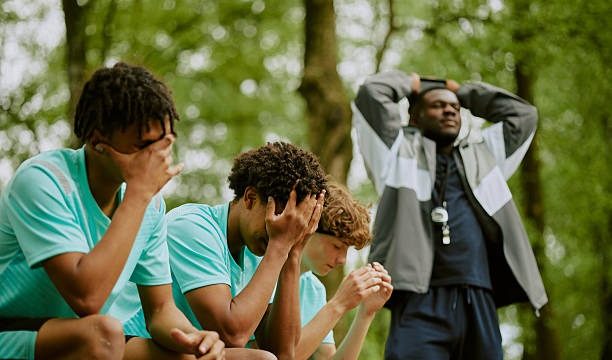
Participating in extracurricular activities can further bolster communication skills. Whether it’s joining a debate club, theater group, or sports team, these activities provide students with numerous opportunities to practice their verbal and nonverbal communication. Through these experiences, they can learn how to express themselves under pressure, navigate team dynamics, and build leadership skills. Encouraging students to explore their interests will not only enhance their communication abilities but also promote personal growth and self-esteem.
Finally, seeking feedback is a crucial yet often overlooked aspect of developing communication skills. Students should be encouraged to ask for constructive criticism from peers, teachers, or family members. This practice helps them identify areas for improvement and reinforces the idea that communication is a skill that can be refined over time. Emphasizing the value of feedback cultivates a growth mindset, allowing students to view challenges as opportunities for learning.
In conclusion, building strong communication skills is a journey that requires patience, practice, and support. By creating a nurturing environment, encouraging active listening, and exploring various forms of expression, students can develop the confidence they need to communicate effectively. With the right guidance and opportunities, they can navigate their academic and personal lives with ease, forming meaningful connections along the way. As students embrace these approaches, they will undoubtedly find their voices and learn to share them with the world.