In the ever-evolving landscape of education, the quest for improvement often begins with a simple yet profound tool: feedback.
The classroom is a dynamic environment where both educators and students thrive on interaction and growth.
By cultivating a culture of constructive feedback, we can create a nurturing atmosphere that encourages exploration, creativity, and understanding.
Creating a space for dialogue
One of the first steps in developing classroom improvements is creating an open space for dialogue. When students feel comfortable sharing their thoughts, it paves the way for meaningful exchanges. Encouraging students to express what they enjoy or find challenging about their learning experience fosters a sense of ownership over their education. This can be achieved through informal discussions, suggestion boxes, or even anonymous surveys. Each avenue allows students to voice their opinions without fear, nurturing an environment of trust and respect.
In this dialogue, it’s essential for educators to model receptiveness. Listening actively to student feedback not only validates their experiences but also demonstrates that their voices matter. When students see their teachers genuinely considering their input, it reinforces the idea that learning is a collaborative journey.
A small shift toward balance
As feedback flows in, it’s important to balance the positive with the constructive. While it is vital to acknowledge what is working well, addressing areas for improvement can lead to significant enhancements in the learning process. This balance is akin to tending to a garden; both the flowers and the weeds require attention for the garden to flourish.
Teachers can begin by celebrating small victories in the classroom, recognizing students’ achievements, and highlighting effective strategies. This positive reinforcement can motivate students to engage more deeply with their learning. Simultaneously, gently guiding them through areas that may require adjustment can cultivate resilience. For instance, if a student struggles with a specific concept, framing the feedback in a supportive way can help them view challenges as opportunities for growth rather than setbacks.
Finding the right approach
Understanding that different students respond to feedback in varied ways is crucial. Some may thrive on direct, straightforward comments, while others might benefit from a more nurturing approach. This awareness invites educators to tailor their feedback techniques to meet the unique needs of their students.
For example, a student who excels in verbal communication might appreciate a face-to-face conversation where they can ask questions and express their thoughts freely. In contrast, a more introverted student might feel more comfortable receiving feedback through written comments. Adjusting methods to cater to individual preferences can enhance the effectiveness of feedback and support a more inclusive learning environment.
Encouraging peer feedback
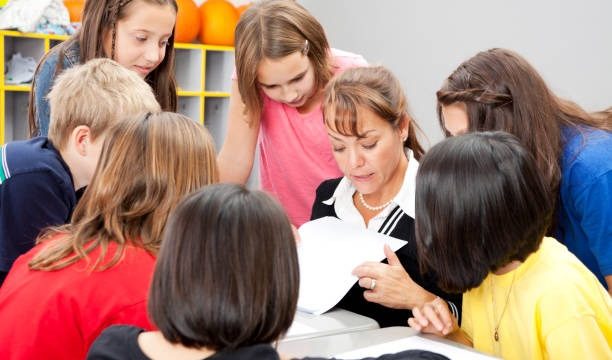
In addition to teacher feedback, fostering a culture of peer feedback can enrich the classroom experience. When students engage in constructive conversations with their classmates, they not only learn to articulate their thoughts but also gain diverse perspectives on their work. This practice encourages collaboration and cultivates a sense of community within the classroom.
To facilitate peer feedback, educators can establish guidelines that emphasize kindness and respect. Teaching students how to provide feedback that is specific, actionable, and supportive can empower them to share their insights effectively. This approach not only enhances their learning but also helps them develop critical thinking and communication skills that are valuable beyond the classroom.
Creating a feedback loop
Feedback should not be a one-time event; rather, it should be part of an ongoing conversation. Establishing a feedback loop allows educators and students to reflect on progress, adjust strategies, and celebrate achievements together. Regular check-ins can provide opportunities for both parties to reassess goals and expectations, creating a fluid dynamic that adapts to the needs of the classroom.
Incorporating reflection activities can also deepen the feedback process. Encouraging students to reflect on their learning experiences—what worked, what didn’t, and how they can improve—can lead to greater self-awareness and accountability. This practice not only reinforces the value of feedback but also empowers students to take charge of their learning journey.
A journey of continuous improvement
The path to developing classroom improvements through feedback is a journey of continuous learning and adaptation. As educators embrace feedback as a vital component of the educational experience, they can create a nurturing environment where both students and teachers feel valued and inspired.
This journey is not without its challenges. At times, feedback may be difficult to deliver or receive. However, approaching these moments with patience and understanding can build resilience and foster growth. By viewing feedback as a shared experience, educators and students can navigate the complexities of learning together, emerging stronger and more connected.
As the classroom evolves, so too should our understanding of feedback. It is not merely a tool for assessment but a catalyst for growth, creativity, and collaboration. By cultivating a culture that embraces feedback, we can transform classrooms into vibrant spaces where everyone has a voice and the potential for improvement is limitless.
In essence, developing classroom improvements with feedback is about nurturing relationships and fostering an environment of trust. It is about recognizing that every voice matters and that every piece of feedback is a stepping stone toward a more enriching educational experience. As we embark on this journey together, let us remain open to the possibilities that feedback can bring, creating classrooms that inspire and empower all who enter.