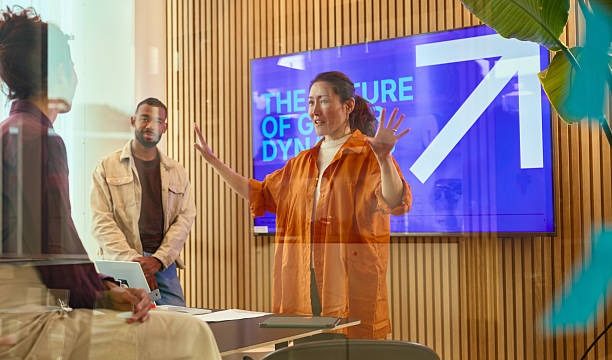
In the ever-evolving world of education, the role of the educator is more dynamic than ever.
With the continuous advancement of technology, new teaching methodologies, and diverse classroom environments, developing effective educators is paramount.
One of the most impactful ways to cultivate this growth is through hands-on practice.
This approach not only enriches the learning experience for students but also transforms educators into lifelong learners themselves.
A gentle nudge toward experiential learning
Hands-on practice allows educators to immerse themselves in the learning process, fostering a deeper understanding of their craft. When teachers engage in practical activities, they can better grasp the challenges their students face. This experiential learning model encourages them to step away from traditional lecture-based methods and explore innovative teaching strategies that resonate with their students.
Imagine a classroom where educators are not merely delivering content but are actively participating in the learning journey. By incorporating hands-on activities, such as collaborative projects, simulations, and role-playing, teachers can create an environment where students feel motivated and engaged. This shift not only benefits the students but also empowers educators to refine their skills and adapt their teaching methods to better suit the needs of their learners.
Creating a supportive community
Developing educators through hands-on practice also thrives in a collaborative environment. When teachers come together to share ideas, resources, and experiences, they create a rich tapestry of professional development. Workshops and peer-led training sessions can serve as platforms for educators to experiment with new techniques, receive constructive feedback, and celebrate successes.
In these supportive communities, educators can explore various teaching styles, experiment with new technologies, and reflect on their teaching practices. This collaborative spirit nurtures a culture of continuous improvement, where educators feel safe to take risks and learn from one another. The relationships built in these settings are invaluable, fostering a sense of belonging and shared purpose among educators.
Balancing theory with practice
While hands-on practice is essential, it is equally important to balance it with theoretical knowledge. Educators should have a solid foundation in educational theories and pedagogical frameworks to inform their practice. Engaging in hands-on activities can enhance understanding of these concepts, allowing teachers to apply theory to real-world situations.
For instance, a teacher might learn about differentiated instruction through reading and coursework. However, it is through hands-on practice—such as implementing small group activities tailored to various learning styles—that they truly understand how to apply this theory in their classroom. This balance between theory and practice creates a well-rounded educator who is equipped to meet the diverse needs of their students.
Fostering creativity and innovation
Hands-on practice inherently encourages creativity and innovation in teaching. Educators who engage in experiential learning often find new ways to present material, making lessons more engaging and relevant. They can experiment with different teaching tools, technologies, and methodologies that might not have been considered in a more traditional setting.
This creative exploration is vital in today’s educational landscape, where students thrive in environments that encourage critical thinking and problem-solving. By modeling innovative practices, educators inspire their students to think outside the box, fostering a culture of creativity that extends beyond the classroom.
Reflecting on the journey
An essential aspect of developing educators through hands-on practice is reflection. Taking the time to assess what worked, what didn’t, and what could be improved is key to professional growth. Educators can keep reflective journals, participate in peer discussions, or engage in self-assessment to evaluate their experiences.
Reflection allows teachers to internalize their learning and make connections between theory and practice. It is a powerful tool for personal and professional development, providing insights that can lead to more effective teaching strategies. By cultivating a habit of reflection, educators can continually evolve, adapting to the needs of their students and the demands of the educational landscape.
Encouraging a lifelong learning mindset
Ultimately, developing educators through hands-on practice fosters a mindset of lifelong learning. When teachers actively engage in their professional development, they model this essential quality for their students. By demonstrating curiosity, adaptability, and a willingness to learn, educators instill these values in their students, preparing them for success in an ever-changing world.
This commitment to growth extends beyond individual educators. Schools and educational institutions that prioritize hands-on practice create a culture of learning that permeates the entire community. Administrators, teachers, and support staff alike can benefit from this approach, leading to a more cohesive and effective educational environment.
A brighter future for education
As we look to the future of education, it is clear that developing educators through hands-on practice is not just beneficial—it is essential. This approach nurtures skilled, adaptable, and innovative teachers who can inspire the next generation of learners. By embracing experiential learning, fostering collaboration, balancing theory with practice, encouraging creativity, and promoting reflection, we can create a vibrant educational landscape where both educators and students thrive.
In this journey of growth, it is important to remember that every step taken toward hands-on practice is a step toward a brighter future for education. With each new experience, educators can deepen their understanding, refine their skills, and ultimately, transform the learning experiences of their students. As we invest in the development of our educators, we invest in the future of our children, our communities, and our world.