In today’s fast-paced world, students often find themselves navigating a landscape filled with expectations, both from themselves and others.
As they embark on their educational journeys, it becomes essential for them to develop a deep understanding of their own strengths and needs.
This self-awareness not only enhances their learning experiences but also fosters a sense of confidence and purpose.
Encouraging students to identify these aspects can lead to profound personal growth and a more fulfilling academic life.
The journey of self-discovery is a vital part of education. It is not simply about excelling in subjects or achieving grades; it’s about recognizing what makes each student unique. Each individual possesses a distinct set of strengths, whether they are analytical skills, creativity, resilience, or interpersonal abilities. These strengths can serve as a foundation for their learning, allowing them to engage more fully with the material and their peers.
Recognizing strengths is the first step toward building confidence. Teachers and parents can play a pivotal role by creating an environment that highlights and celebrates these qualities. For instance, when a student excels in a particular area, whether it’s art, math, or communication, acknowledging and praising that talent can encourage them to explore it further. This positive reinforcement helps students see themselves in a new light, fostering a mindset that values their unique contributions.
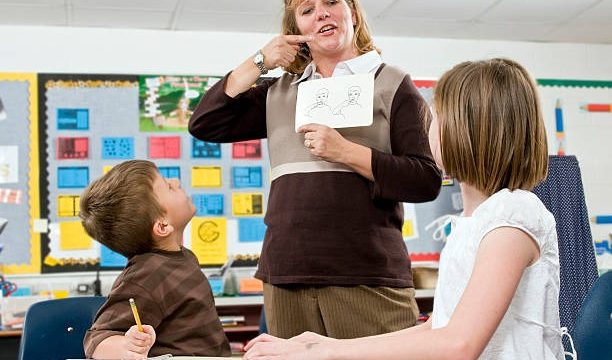
As students grow, they also encounter challenges. Identifying their needs is equally important. Each student has different learning styles and paces, which can sometimes lead to feelings of frustration or inadequacy. By encouraging students to reflect on what they find challenging, whether it’s grasping a complex concept or managing their time effectively, they can begin to understand that these hurdles are part of the learning process. This awareness can empower them to seek support, ask questions, and develop strategies to overcome difficulties.
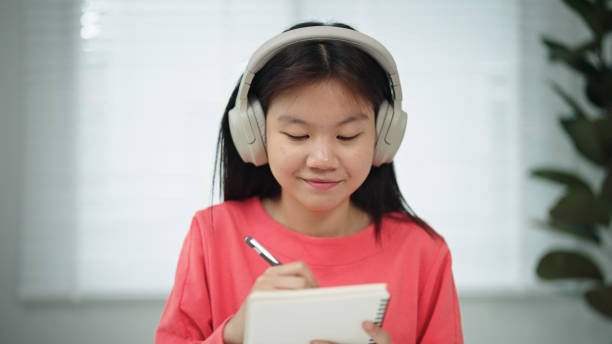
Creating a dialogue around strengths and needs is essential. Open conversations allow students to express their feelings and thoughts without fear of judgment. Educators can facilitate this process by incorporating activities that promote self-reflection. Journaling, discussions, or even creative projects can provide safe spaces for students to explore their identities. By guiding them through these activities, teachers can help students articulate their strengths and pinpoint areas where they may need additional support.
A small shift toward balance can also significantly impact a student’s ability to thrive. It’s important to remind students that while it’s beneficial to focus on their strengths, it’s equally vital to address their needs. This balance fosters a growth mindset, where students learn to view challenges as opportunities for improvement rather than as setbacks. Encouraging them to set personal goals can be a gentle way to bring this concept to life. When students aim to enhance their strengths while also working on their needs, they cultivate a holistic approach to learning.
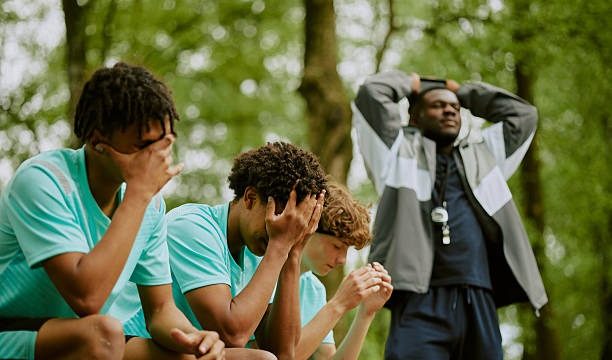
Peer support can be an invaluable resource in this journey. Encouraging students to work collaboratively can create a sense of community. When students share their strengths with one another, they not only learn from each other but also build relationships that can enhance their educational experience. Group projects, study sessions, or even informal discussions can create an atmosphere where students feel safe to express their challenges and seek help from their peers. This sense of belonging can be incredibly powerful, especially during times of uncertainty.
Moreover, it’s essential to teach students that their strengths and needs may evolve over time. As they progress through different stages of education, they will encounter new subjects, teachers, and experiences that can shift their perspectives. Encouraging them to revisit their self-assessments regularly can help them stay attuned to their growth. This practice not only fosters adaptability but also instills a lifelong love for learning.
Incorporating mindfulness practices into the educational experience can further aid students in identifying their strengths and needs. Mindfulness encourages self-awareness and reflection, allowing students to pause and consider their thoughts and feelings without judgment. Simple breathing exercises or moments of quiet reflection can help clear their minds, making it easier for them to connect with their inner selves. When students take the time to listen to their thoughts and emotions, they often gain insights that can guide them on their educational journeys.
Parents also play a crucial role in this process. By engaging in conversations about strengths and needs at home, they can reinforce what is being taught in school. Encouraging open dialogue about achievements and challenges creates a supportive atmosphere where students feel valued and understood. Parents can help their children set realistic goals and celebrate their progress, no matter how small. This partnership between home and school can significantly enhance a student’s ability to identify and embrace their strengths while addressing their needs.
As students learn to navigate their strengths and needs, they begin to develop a sense of agency in their education. They become more proactive in seeking out resources, asking for help, and advocating for themselves. This empowerment not only benefits them academically but also prepares them for future challenges in life. When students recognize their abilities and understand their limitations, they cultivate resilience and adaptability—skills that are essential in today’s ever-changing world.
In conclusion, encouraging students to identify their strengths and needs is a journey that requires patience, empathy, and support. By fostering an environment of self-discovery, open dialogue, and community, we can help them build the confidence and skills necessary to thrive in their educational pursuits. As they embrace their uniqueness and learn to navigate challenges, they will not only become better students but also more fulfilled individuals ready to make their mark on the world.