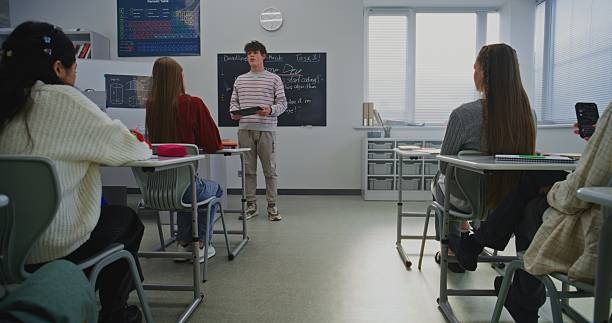
In the ever-evolving landscape of education, fostering an engaging classroom environment is more important than ever.
As educators, we strive to not only impart knowledge but also to create a space where students feel valued, inspired, and eager to learn.
One of the most effective ways to achieve this is through targeted training, which equips teachers with the tools they need to connect meaningfully with their students.
A nurturing approach to engagement
Engagement in the classroom goes beyond simply getting students to pay attention. It’s about creating a nurturing environment where they feel safe to express their thoughts, ask questions, and explore ideas. This kind of atmosphere doesn’t just happen; it requires intentional effort and training. When educators participate in professional development programs focused on engagement strategies, they learn to create lessons that resonate with their students’ diverse interests and learning styles.
Imagine a classroom where students are not just passive recipients of information but active participants in their learning journey. Through training, teachers can discover various methods to encourage collaboration, critical thinking, and creativity. They can learn how to ask open-ended questions that spark discussion and how to incorporate technology and hands-on activities that make learning come alive.
Building connections through training
One of the core elements of classroom engagement is the relationship between teachers and students. When students feel connected to their teachers, they are more likely to engage with the material and with each other. Training programs often emphasize the importance of building rapport and trust. Educators are encouraged to share their own experiences, show vulnerability, and take the time to understand their students’ backgrounds and perspectives.
This connection can transform the classroom dynamic. When students feel seen and heard, they are more likely to participate actively in discussions and group work. Training can provide teachers with strategies to cultivate this connection, such as using storytelling, incorporating student interests into lessons, or simply taking the time to check in with students on a personal level.
A small shift toward balance
Another aspect of effective training is the focus on balance. In a world filled with distractions, it’s easy for students to become disengaged. Educators can benefit from learning how to create a balanced approach to teaching that includes a mix of direct instruction, collaborative activities, and independent work. This variety keeps students on their toes and caters to different learning preferences.
Moreover, training can help teachers recognize the signs of disengagement and provide them with tools to address these challenges. By learning to read the room and adjust their teaching strategies accordingly, educators can maintain a lively and interactive classroom atmosphere. This flexibility not only benefits students but also enhances the overall teaching experience, making it more rewarding.
Fostering a culture of curiosity
Curiosity is the driving force behind engagement. When students are curious, they are motivated to explore, ask questions, and seek answers. Training programs can introduce teachers to ways of fostering this curiosity within their classrooms. This might involve encouraging inquiry-based learning, where students are given the freedom to explore topics that intrigue them and come up with their own questions.
Creating a culture of curiosity also involves celebrating mistakes as learning opportunities. Educators can be trained to model resilience and a growth mindset, showing students that it’s okay to struggle and that learning is a journey filled with ups and downs. This kind of environment encourages students to take risks and venture beyond their comfort zones, leading to deeper engagement.
The power of reflection
In the pursuit of strengthening classroom engagement, reflection plays a vital role. Training often emphasizes the importance of self-reflection for educators. By taking the time to reflect on their teaching practices, educators can identify what works and what doesn’t in terms of engaging their students. This process of continuous improvement is essential in the ever-changing landscape of education.
Reflective practices can also be integrated into the classroom. By encouraging students to think about their own learning processes, educators can help them become more self-aware and engaged learners. Journals, discussions, and feedback sessions can be effective tools for cultivating this reflective mindset.
Incorporating community and collaboration
Engagement doesn’t exist in a vacuum; it thrives within a community. Training can help educators understand the value of building a collaborative classroom environment. This involves not only fostering strong relationships among students but also involving parents and the wider community in the educational process.
When students see that their learning is connected to the world around them, they are more likely to be engaged. Training can provide teachers with strategies to involve families in classroom activities, seek community resources, and create partnerships that enhance the learning experience. This holistic approach reinforces the idea that education is a shared journey.
Embracing the journey
Strengthening classroom engagement is not a one-time fix; it’s an ongoing journey that involves continuous learning and adaptation. Through targeted training, educators can gather the insights, strategies, and confidence they need to create an engaging classroom environment.
As teachers embrace this journey, they not only enhance their own professional growth but also inspire their students to become active, curious learners. The ripple effect of this engagement can lead to a more vibrant school culture where everyone thrives.
In the end, it’s about creating a space where both educators and students can flourish together, fostering a love of learning that lasts a lifetime. By investing in training and development, we can cultivate classrooms that are not just places of learning, but also communities of growth, curiosity, and connection.