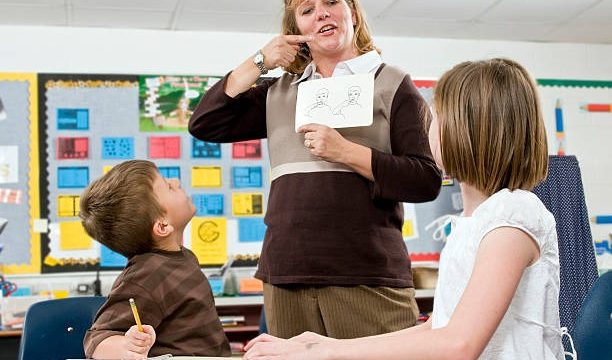
In the ever-evolving landscape of education, the importance of adaptive teaching strategies cannot be overstated.
As classrooms become more diverse, the need for educators to strengthen their classroom strategies through ongoing training has become a vital aspect of effective teaching.
Embracing this journey not only enhances teaching practices but also contributes to a more enriching learning environment for students.
The heart of effective teaching lies in understanding that no two students are the same. Each child comes with a unique set of experiences, backgrounds, and learning styles. This diversity presents both a challenge and an opportunity for educators. By engaging in professional development, teachers can equip themselves with the tools and knowledge necessary to meet the varied needs of their students. Training programs can provide insights into different learning modalities, helping educators to tailor their approaches in a way that resonates with each learner.
A small shift toward balance can significantly impact classroom dynamics. For many teachers, the daily grind can lead to burnout, making it challenging to maintain enthusiasm and creativity in lesson planning. Participating in training sessions allows educators to step back, reflect on their practices, and rejuvenate their passion for teaching. This renewal is essential, as it fosters a positive classroom atmosphere where students feel motivated and engaged.
Collaboration is another fundamental aspect of strengthening classroom strategies. Training often brings together educators from various backgrounds, allowing for the sharing of ideas and experiences. This exchange can ignite new ways of thinking and inspire innovative teaching methods. When teachers collaborate, they can build a supportive community that encourages experimentation and growth. The camaraderie developed in these settings can lead to lasting professional relationships, further enriching the educational experience for both teachers and students.
In addition to collaboration, the integration of technology in the classroom has become increasingly important. Training programs that focus on digital tools can help teachers navigate the complexities of modern education. Understanding how to effectively use technology not only enhances lesson delivery but also prepares students for a world that is becoming more reliant on digital literacy. By mastering these tools, educators can create dynamic and interactive lessons that captivate students’ attention and foster deeper learning.
Another key component of effective training is the emphasis on social-emotional learning. As educators gain insight into the emotional and psychological aspects of learning, they can better support their students’ overall well-being. Training that includes strategies for building emotional intelligence can help teachers create a nurturing environment where students feel safe to express themselves. This supportive atmosphere encourages risk-taking in learning, allowing students to thrive academically and personally.
As teachers strengthen their strategies through training, they also develop a greater understanding of cultural competence. In our increasingly globalized world, recognizing and valuing diversity within the classroom is essential. Training programs that focus on cultural awareness can equip educators with the skills to create an inclusive space where all students feel represented and respected. This not only enriches the learning experience but also prepares students to engage thoughtfully with a diverse society.
Reflecting on the impact of training, it’s clear that ongoing professional development nurtures a growth mindset among educators. When teachers commit to lifelong learning, they model the very values they wish to instill in their students. This commitment to personal and professional growth sends a powerful message: learning is a journey that never truly ends. By embracing this philosophy, educators can inspire their students to approach learning with curiosity and resilience.
As we think about the future of education, it’s essential to recognize that strengthening classroom strategies through training is not merely an option but a necessity. The world is changing rapidly, and so too are the needs of students. By investing in their own development, educators can adapt to these changes and create a more effective and engaging learning environment. This dedication to growth ultimately benefits not just the teachers but also the students who are entrusted to their care.
In conclusion, the journey of strengthening classroom strategies through training is one of empowerment and transformation. It’s about creating a balance that allows educators to thrive while also fostering an enriching atmosphere for students. As teachers embrace collaboration, technology, social-emotional learning, and cultural competence, they lay the groundwork for a more inclusive and effective educational experience. This commitment to continuous improvement reflects a deep understanding of the art and science of teaching, ensuring that every student has the opportunity to flourish.