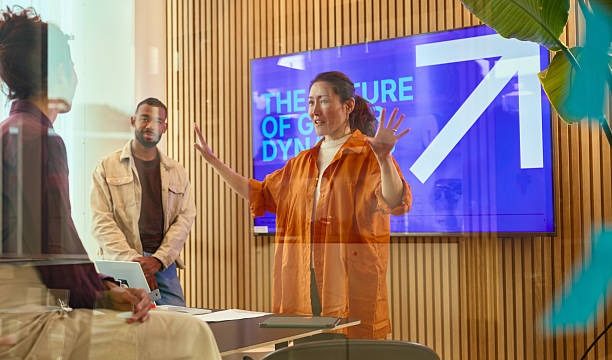
In the ever-evolving landscape of education, the role of educators has become increasingly complex.
They are not only responsible for imparting knowledge but also for fostering emotional growth, critical thinking, and resilience in their students.
As such, the importance of strengthening educator skills through development cannot be overstated.
This journey is not just about professional advancement; it’s about nurturing a holistic approach that benefits both teachers and their students.
A gentle shift toward growth
Professional development for educators can take many forms, from formal training sessions to informal peer collaborations. The essence of this growth lies in cultivating an environment where teachers feel empowered to explore new methodologies and share their experiences. When educators engage in ongoing learning, they not only enhance their teaching practices but also rekindle their passion for education. This journey often begins with a simple shift in mindset—seeing development not as a requirement but as an opportunity.
Consider the unique experiences that each educator brings to the table. Every classroom is a tapestry of diverse backgrounds and perspectives. By participating in professional development, educators can learn to embrace this diversity, tailoring their teaching approaches to better meet the needs of their students. This adaptability fosters inclusivity, making every student feel valued and understood.
Building connections through collaboration
One of the most rewarding aspects of professional development is the opportunity for collaboration. When educators come together, they create a space for shared experiences and collective problem-solving. Whether through workshops, conferences, or online forums, these interactions allow teachers to exchange ideas, strategies, and resources. The beauty of collaboration lies in its ability to spark creativity and innovation.
Moreover, these connections often extend beyond the confines of formal training. Informal networks can form, providing ongoing support and encouragement. Educators can share successes, discuss challenges, and celebrate milestones together. This sense of community not only strengthens individual skills but also cultivates a culture of continuous improvement within schools.
Nurturing emotional intelligence
In recent years, there has been a growing recognition of the importance of emotional intelligence in education. Educators are at the forefront of shaping young minds, and their ability to connect with students on an emotional level can significantly impact learning outcomes. Professional development programs that focus on emotional intelligence equip teachers with essential skills to recognize and respond to the emotional needs of their students.
By developing these skills, educators can create a more empathetic classroom environment. This nurturing approach encourages students to express themselves openly and fosters a sense of belonging. When educators model emotional intelligence, they not only enhance their own well-being but also empower their students to navigate their emotions effectively.
Embracing technology for innovative teaching
In today’s digital age, technology plays a pivotal role in education. Professional development that incorporates digital tools and resources can be transformative for educators. By embracing technology, teachers can enhance their instructional strategies, making learning more engaging and interactive. From virtual classrooms to educational apps, the possibilities are endless.
However, it’s essential to approach technology with a balanced mindset. While it offers numerous advantages, it’s crucial to remember that technology should serve as a tool to enhance human connection, not replace it. Educators can learn to integrate technology thoughtfully, ensuring that it complements their teaching philosophy and supports their students’ learning journeys.
Cultivating self-care practices
As educators pour their hearts into their work, it’s easy to overlook the importance of self-care. Professional development can also encompass strategies for personal well-being. By prioritizing self-care, educators can recharge their spirits and maintain their passion for teaching. Simple practices, such as mindfulness, journaling, or connecting with nature, can have a profound impact on overall well-being.
When educators model self-care, they send a powerful message to their students about the importance of mental health and wellness. Creating a culture that values self-care can lead to a more positive and productive learning environment. It encourages students to prioritize their own well-being, fostering resilience and a balanced approach to life.
The ripple effect of development
The impact of strengthening educator skills through development extends far beyond the classroom. When educators invest in their growth, they create a ripple effect that benefits their students, colleagues, and the entire school community. A well-supported educator is better equipped to inspire and motivate their students, fostering a love for learning that can last a lifetime.
Furthermore, as educators share their newfound knowledge and skills with colleagues, they contribute to a culture of collaboration and growth within their schools. This sense of shared purpose can lead to innovative practices, improved student outcomes, and a more cohesive educational environment.
In conclusion, strengthening educator skills through development is a vital journey that enhances the entire educational experience. By embracing opportunities for growth, fostering collaboration, nurturing emotional intelligence, and prioritizing self-care, educators can create a positive impact that resonates throughout their classrooms and beyond. This journey is not merely about professional advancement; it’s about nurturing a community of lifelong learners dedicated to shaping the future. As we support our educators, we ultimately empower the next generation, creating a brighter, more compassionate world for all.