In today’s ever-evolving educational landscape, the quest for effective teaching methods that prioritize accessibility has become more important than ever.
As we strive to create environments where all individuals can thrive, it’s essential to explore strategies that cater to diverse learning needs.
By adopting a more inclusive approach, we can ensure that every learner feels valued, understood, and engaged.
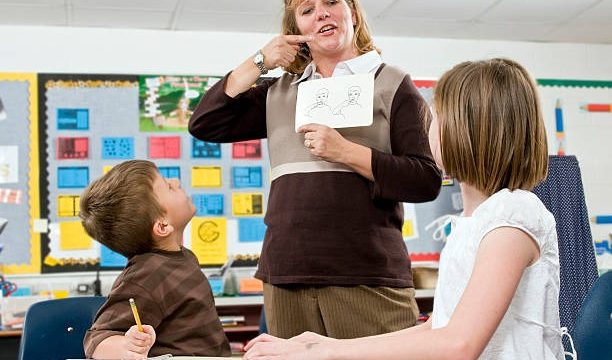
The essence of accessible learning lies in its adaptability. Each student arrives in the classroom with unique experiences, backgrounds, and learning styles. It’s crucial for educators to recognize these differences and embrace them. For instance, incorporating various teaching modalities can significantly enhance comprehension. Visual learners may benefit from diagrams and videos, while auditory learners might excel through discussions and lectures. Kinesthetic learners, on the other hand, often thrive in environments where they can engage in hands-on activities. By blending these methods, teachers can create a rich tapestry of learning that resonates with all students.
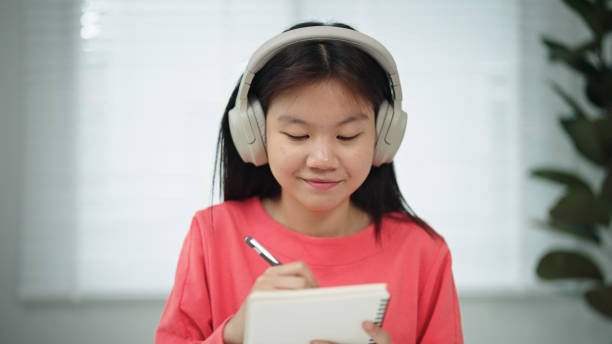
A gentle shift toward balance can be achieved through the incorporation of technology in the classroom. Tools such as interactive software, educational apps, and online resources provide students with multiple avenues to explore concepts. For example, platforms that offer personalized learning experiences can help students progress at their own pace, allowing them to revisit challenging topics or accelerate through areas of strength. This flexibility not only caters to individual learning preferences but also promotes a sense of ownership over one’s education.
Another vital aspect of creating accessible learning experiences is fostering a supportive classroom environment. Building strong relationships between teachers and students can significantly enhance engagement. When students feel safe and respected, they are more likely to participate actively in their learning journey. Encouraging open communication allows students to express their needs and preferences, creating a dialogue that can inform teaching strategies. This connection also helps educators identify any barriers to learning and address them promptly, promoting a culture of understanding and empathy.
In addition to fostering relationships, incorporating social-emotional learning into the curriculum can further enhance accessibility. By teaching students to recognize and manage their emotions, educators equip them with essential skills for navigating challenges both in and out of the classroom. Activities that promote collaboration, empathy, and self-awareness can create a more inclusive atmosphere where every student feels empowered to contribute. When students learn to support one another, they cultivate a sense of community that enriches the learning experience.
The physical environment of a classroom also plays a crucial role in accessibility. A thoughtfully arranged space that accommodates various learning styles can encourage participation and engagement. Comfortable seating, natural lighting, and quiet areas for reflection can make a significant difference in how students interact with their surroundings. Additionally, providing accessible materials, such as large print texts or audiobooks, ensures that all students can access the curriculum without unnecessary hurdles. These small changes can create a more inviting atmosphere where learning flourishes.
As we continue to explore teaching methods that promote accessibility, it’s important to recognize the power of collaboration. Bringing together educators from different disciplines can lead to innovative approaches that benefit all students. For example, integrating the arts into traditional subjects can enhance creativity and critical thinking. A science lesson that incorporates visual art or music can stimulate interest and engagement, making complex concepts more relatable and enjoyable. This interdisciplinary approach not only enriches the curriculum but also demonstrates the interconnectedness of knowledge, encouraging students to see learning as a holistic experience.
Moreover, involving families in the educational process can further enhance accessibility. When parents and caregivers are engaged in their children’s learning, they can provide invaluable support and encouragement. Schools can facilitate this connection by hosting workshops, providing resources, and maintaining open lines of communication. By fostering a collaborative relationship between home and school, educators can create a more cohesive support system for students, enhancing their overall learning experience.
In our pursuit of accessible education, it is essential to remain open to continuous improvement. Regularly assessing teaching methods and soliciting feedback from students can provide valuable insights into what works and what doesn’t. This reflective practice encourages educators to adapt and grow, ensuring that they remain responsive to the needs of their students. By cultivating a mindset of lifelong learning, teachers can model the very principles they wish to instill in their students.
Ultimately, teaching methods that prioritize accessibility are about more than just strategies; they are about fostering a sense of belonging. When every learner feels acknowledged and empowered, they are more likely to engage wholeheartedly in their education. By embracing diversity, nurturing relationships, and creating inclusive environments, we can cultivate a culture of learning that celebrates every individual’s journey.
As we look ahead, let us commit to making education a space where everyone can thrive. By weaving together various teaching methods and embracing the richness of our diverse communities, we can create a future where learning is truly accessible to all. In this journey, every small step matters, and together, we can build a brighter, more inclusive world for generations to come.