In our rapidly evolving world, the needs of education are shifting alongside advancements in technology, societal changes, and an increasing understanding of how we learn.
As we navigate this landscape, it becomes increasingly clear that traditional methods of training may not suffice.
Instead, educators and institutions are beginning to explore more holistic and adaptable approaches that cater to the diverse needs of modern learners.
A gentle transition toward personalized learning experiences is one way we can meet the demands of today’s educational landscape. Personalization allows students to engage with material that resonates with their unique interests and aptitudes. This approach fosters a sense of ownership over their learning journey, encouraging deeper connections with the content. By integrating individual learning styles, preferences, and goals into the curriculum, educators can create a more inclusive environment that supports all students, regardless of their backgrounds.
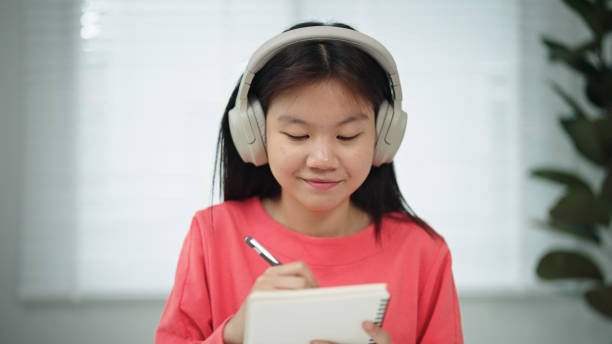
Another critical aspect of modern training approaches is the incorporation of technology. In our digital age, the use of online resources, interactive platforms, and multimedia content has become essential in the classroom. Technology not only enhances access to information but also provides opportunities for collaboration and communication that transcend geographical barriers. Virtual classrooms and online forums enable students to connect with peers and experts worldwide, enriching their learning experience. This connectivity nurtures a global perspective, preparing students to thrive in an interconnected world.
As we embrace technology, it’s equally important to maintain a balance with traditional teaching methods. Blended learning, which combines face-to-face instruction with digital resources, offers a harmonious blend of both worlds. This approach allows educators to tailor their teaching strategies to suit the needs of their students while also providing the flexibility that modern learners often seek. By encouraging students to take an active role in their education, blended learning supports critical thinking and problem-solving skills, equipping them for future challenges.
The importance of social-emotional learning cannot be overlooked in discussions about modern educational needs. As students face increasing pressures from academic expectations, social dynamics, and personal challenges, the ability to manage emotions and foster positive relationships becomes vital. Integrating social-emotional learning into the curriculum helps students develop resilience, empathy, and self-awareness. These skills not only enhance their academic performance but also contribute to their overall well-being, creating a more supportive and nurturing educational environment.
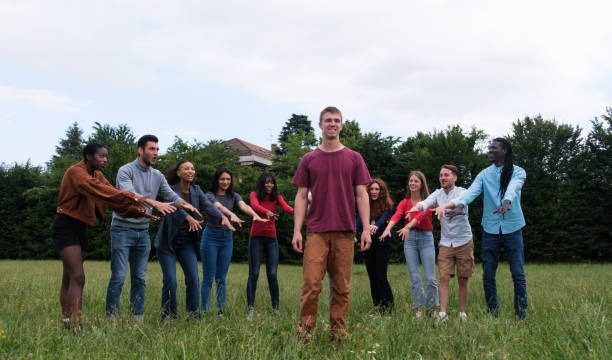
Fostering a sense of community within the classroom is another essential component of modern training approaches. When students feel connected to their peers and educators, they are more likely to engage actively in their learning. Collaborative projects, peer mentoring, and group discussions can create a sense of belonging that encourages students to express their thoughts and ideas openly. This collaborative spirit not only enriches the learning experience but also prepares students for the teamwork and cooperation they will encounter in their future careers.
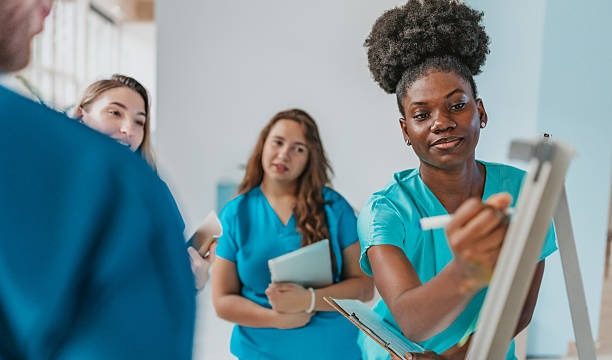
As we explore these new training approaches, it’s essential to recognize the role of educators as facilitators of learning rather than mere transmitters of information. Teachers today are called to be mentors, guiding students on their individual paths of discovery. This shift requires ongoing professional development, allowing educators to adapt their teaching styles and embrace innovative methodologies. By investing in teachers’ growth, we empower them to create dynamic and engaging learning environments that inspire curiosity and a love for lifelong learning.
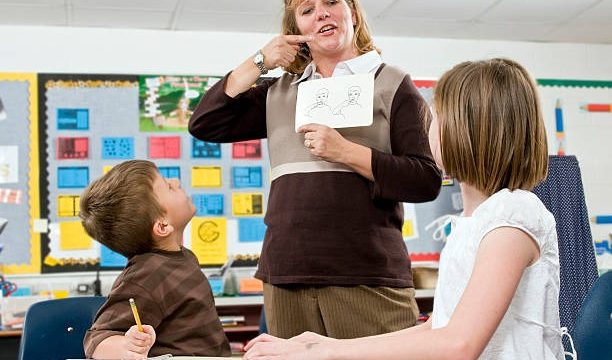
Equity and inclusivity are also vital considerations in modern educational approaches. As we strive to meet the diverse needs of all learners, it’s crucial to address barriers that may hinder access to quality education. This includes recognizing the unique challenges faced by students from various backgrounds and ensuring that resources and support systems are in place to help them succeed. By fostering an inclusive atmosphere where every student feels valued and supported, we can cultivate an educational landscape that truly reflects the richness of our society.
The role of parents and families in education is another area that deserves attention. Building strong partnerships between educators and families can enhance student success and well-being. When parents are engaged in their children’s education, it creates a supportive network that reinforces learning both at school and at home. Open communication, workshops, and family involvement in school activities can strengthen these connections, fostering a sense of community that benefits everyone involved.
As we look to the future of education, the importance of adaptability cannot be overstated. The landscape of knowledge is constantly changing, and learners must be equipped with the skills to navigate this dynamic environment. Encouraging critical thinking, creativity, and adaptability in students ensures that they can thrive in a world that is ever-evolving. By embracing a mindset of lifelong learning, we prepare students not just for their next academic challenge but for the journey of life itself.
In conclusion, the training approaches for modern educational needs are as varied as the learners they serve. By prioritizing personalization, harnessing technology, fostering social-emotional learning, and building inclusive communities, we can create enriching educational experiences that empower students to reach their full potential. As we continue to adapt and evolve, let us remember that at the heart of education lies the desire to inspire, nurture, and support every learner on their unique journey. With a commitment to innovation and understanding, we can build a brighter future for education, one that reflects the diverse tapestry of our world and the potential within each student.