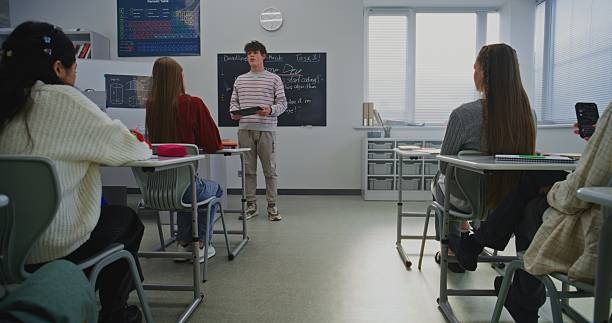
In a world where education constantly evolves, the role of a teacher is more complex and vital than ever before.
With a growing emphasis on personalized learning and emotional intelligence, teachers find themselves navigating new challenges and opportunities each day.
This is where specialized training comes into play, offering educators the tools they need to create better learning moments for their students.
A gentle shift toward understanding
At the heart of effective teaching lies the ability to understand and connect with students. Training that focuses on emotional intelligence can help teachers develop a deeper awareness of their students’ needs, motivations, and emotional states. This understanding fosters a classroom environment where students feel safe to express themselves, ask questions, and engage with the content.
Emotional intelligence training often includes techniques for active listening, empathy, and recognizing non-verbal cues. These skills enable teachers to create an atmosphere of trust and respect, which is essential for effective learning. When students feel understood, they are more likely to participate actively and take ownership of their educational journey.
Cultivating creativity in the classroom
Another vital aspect of teacher training is the encouragement of creativity in lesson planning and delivery. Workshops and professional development sessions that focus on innovative teaching methods can inspire educators to think outside the box. This creativity not only enhances the learning experience for students but also reignites the passion for teaching in educators themselves.
Incorporating arts, hands-on activities, and real-world problem-solving into the curriculum can transform traditional lessons into engaging experiences. When teachers are equipped with the skills to foster creativity, they can create lessons that resonate with diverse learners, making education a more inclusive and dynamic process.
Building a community of learners
Training that emphasizes collaborative learning can help teachers create a sense of community in their classrooms. By fostering teamwork among students, educators can cultivate an environment where collaboration is valued and encouraged. This not only helps students learn from one another but also builds important social skills that are essential for success in and out of the classroom.
Professional development programs that focus on cooperative learning strategies often provide opportunities for teachers to practice these methods themselves. By participating in group activities and discussions, educators can experience firsthand the power of collaboration. This shared learning experience can then be translated into their classrooms, enhancing student engagement and promoting a sense of belonging.
Embracing technology with purpose
In today’s digital age, integrating technology into the classroom is no longer optional; it’s essential. Training that focuses on the effective use of technology can empower teachers to enhance their lessons and reach students in new ways. Whether it’s through interactive learning platforms, educational apps, or virtual simulations, technology offers endless possibilities for enriching the learning experience.
However, it’s important for educators to approach technology with intention. Training programs that emphasize the thoughtful integration of technology can help teachers discern which tools will best support their learning objectives. This mindful approach ensures that technology enhances rather than distracts from the learning process, allowing for a more meaningful educational experience.
Nurturing well-being for teachers and students
The well-being of both teachers and students is fundamental to creating a thriving learning environment. Training that focuses on mindfulness and self-care can equip educators with strategies to manage stress and maintain a healthy work-life balance. When teachers prioritize their own well-being, they are better positioned to support their students’ needs.
Mindfulness practices, such as meditation or reflective journaling, can be incorporated into the daily routine of educators. By taking time to pause and reflect, teachers can cultivate a sense of calm and clarity that positively impacts their interactions with students. This not only enhances their teaching effectiveness but also sets a powerful example for students about the importance of self-care.
Fostering a culture of continuous learning
Education is an ever-evolving field, and professional development should reflect that dynamic nature. Training that encourages a mindset of continuous learning can inspire teachers to embrace new ideas and adapt their practices over time. This culture of growth helps educators stay current with the latest research and teaching strategies, ultimately benefiting their students.
Participating in workshops, conferences, and peer observation can provide teachers with fresh perspectives and insights. When educators share their experiences and learn from one another, they collectively contribute to a richer educational landscape. This collaborative spirit not only enhances individual teaching practices but also strengthens the overall educational community.
Creating moments of connection
Ultimately, the goal of teacher training is to create better learning moments for students. Every interaction, every lesson, and every conversation presents an opportunity for connection. Training that emphasizes relationship-building can help teachers cultivate meaningful connections with their students, fostering an environment where learning flourishes.
As educators embrace the tools and techniques gained from training, they can create a classroom atmosphere that encourages curiosity, creativity, and collaboration. These elements are essential for nurturing a love of learning and empowering students to reach their full potential.
In conclusion, training that helps teachers create better learning moments is about more than just professional development; it’s about fostering a holistic approach to education. By nurturing emotional intelligence, creativity, collaboration, and well-being, educators can transform their classrooms into vibrant learning spaces. The journey of teaching is a continuous one, and with the right tools, teachers can inspire their students to embark on their own paths of discovery and growth.