Using Feedback to Evaluate Classroom Progress
In the ever-evolving landscape of education, the importance of feedback is often emphasized, yet its true value can sometimes be overlooked.
Feedback is not just a tool for assessment; it is a vital part of the learning journey.
It serves as a guide, helping educators and students alike to navigate the complexities of the classroom. When embraced thoughtfully, feedback can illuminate the path to progress, fostering a nurturing environment where learning flourishes.
Creating a culture of open communication is essential in any classroom. When students feel comfortable sharing their thoughts and experiences, it paves the way for meaningful dialogue. This dialogue can take many forms, from informal chats to structured reflections. The key is to create an atmosphere where feedback is welcomed and valued. This encourages students to express their understanding and challenges, allowing teachers to gain insight into their experiences.
The role of feedback in evaluating progress extends beyond grades. While assessments provide a snapshot of a student’s performance, feedback offers a deeper understanding of their learning process. It can highlight areas of strength, as well as those that may require additional attention. When feedback is framed positively, it can empower students, encouraging them to take ownership of their learning. This shift in perspective can transform the classroom experience, making it more collaborative and enriching.
A gentle approach to feedback can make all the difference. Instead of focusing solely on what needs improvement, it’s beneficial to acknowledge what students are doing well. This balance nurtures confidence and motivation. For instance, when a teacher points out a student’s creative approach to a project, it not only validates their effort but also encourages them to continue exploring their unique ideas. This positive reinforcement can be the catalyst for deeper engagement and enthusiasm in learning.
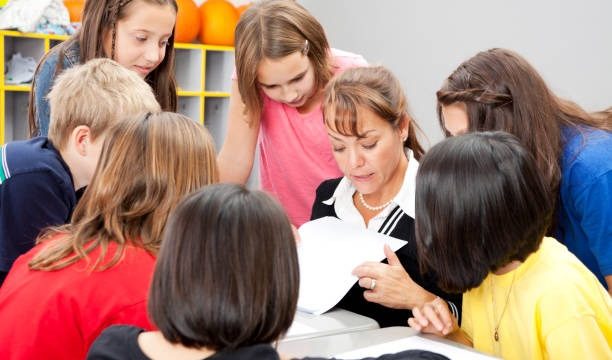
Incorporating peer feedback is another enriching aspect of the learning process. When students have the opportunity to share their insights with one another, it fosters a sense of community. They learn to appreciate diverse perspectives and develop critical thinking skills as they evaluate their peers’ work. This collaborative feedback process not only enhances understanding but also builds essential social skills that are valuable both inside and outside the classroom.
Reflective practices can further enhance the feedback experience. Encouraging students to reflect on their learning journey allows them to identify their own progress. Reflection can take many forms, whether through journaling, discussions, or creative projects. By articulating their thoughts and feelings about their learning, students can gain clarity on their strengths and areas for growth. This self-awareness can be transformative, inspiring them to set personal goals and strive for improvement.
It’s important to recognize that feedback is a two-way street. Just as teachers provide insights to their students, they too benefit from receiving feedback. Creating opportunities for students to share their thoughts on teaching methods, classroom activities, and overall learning experiences can be invaluable. This reciprocal relationship fosters a sense of partnership, where both educators and students are invested in the learning process. Such an environment can lead to continuous improvement, enhancing the overall educational experience.
In the digital age, technology offers new avenues for feedback. Online platforms can facilitate instant communication, allowing for timely responses and reflections. Digital tools can also provide creative ways for students to express their understanding. For instance, multimedia presentations or interactive discussions can make feedback more engaging and accessible. Utilizing technology thoughtfully can enhance the feedback process, making it a dynamic part of the learning experience.
As we explore the role of feedback in evaluating classroom progress, it’s essential to approach it with compassion and understanding. Education is not just about academic achievement; it is about nurturing the whole person. By fostering a supportive environment that values feedback, we create a space where students feel safe to explore, question, and grow. This holistic approach to learning can lead to deeper connections and a more profound understanding of the material.
Ultimately, feedback is a powerful ally in the journey of education. It encourages growth, fosters collaboration, and builds confidence. When utilized effectively, it can transform the learning experience, making it more meaningful and enriching. As we continue to navigate the complexities of teaching and learning, let us remember the profound impact of compassionate feedback. It is through this gentle guidance that we can help students not only succeed academically but also thrive as individuals.
As we reflect on the importance of feedback, let’s celebrate the progress made in classrooms every day. Each small step contributes to a larger journey, and every piece of feedback is a building block toward success. By embracing feedback as a tool for growth, we can create a nurturing environment where learning knows no bounds. Together, let us cultivate a culture of feedback that inspires curiosity, resilience, and a lifelong love for learning.