In today’s educational landscape, the importance of peer learning is becoming increasingly recognized.
It fosters a sense of community, encourages collaboration, and enhances understanding among students.
While traditional teaching methods have their place, tapping into student feedback can create an enriching environment that strengthens peer learning even further. By listening to what students have to say, educators can cultivate a space where everyone feels valued and engaged.
Creating a culture of feedback is the first step toward enhancing peer learning. When students feel that their opinions and experiences matter, they are more likely to participate actively in their learning journey. Establishing open lines of communication allows educators to understand what works and what doesn’t, empowering students to take ownership of their learning. This two-way dialogue can transform the classroom into a vibrant ecosystem where ideas flourish and collaboration thrives.
One of the most effective ways to gather feedback is through informal discussions. These conversations can happen during class, in small groups, or even in one-on-one settings. When students share their thoughts in a relaxed atmosphere, they tend to be more open and honest. Educators can ask questions like, “What did you enjoy about today’s lesson?” or “How do you feel about the group activities?” This approach not only provides valuable insights but also demonstrates to students that their voices are heard and respected.
Incorporating structured feedback methods can also be beneficial. Simple surveys or reflection prompts can encourage students to articulate their thoughts in a more organized manner. These tools can help educators pinpoint specific areas for improvement, whether it’s a particular teaching method, the dynamics of group work, or the effectiveness of learning materials. By analyzing this feedback, educators can make informed adjustments that cater to the needs of their students, ultimately enhancing the peer learning experience.
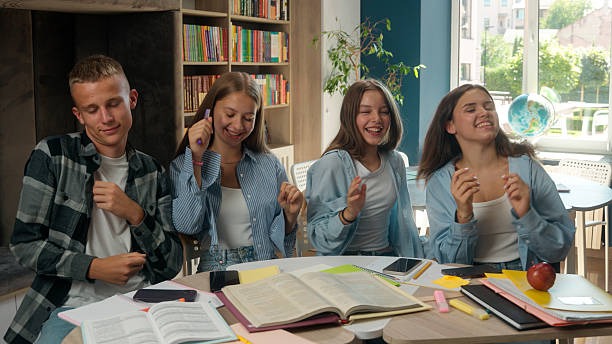
A gentle shift toward collaborative learning can be achieved through the use of peer assessments. When students evaluate each other’s work, it not only reinforces their understanding of the material but also cultivates critical thinking skills. This process allows them to see different perspectives and approaches, fostering a deeper appreciation for their peers’ contributions. Furthermore, discussing assessments in a constructive manner encourages a supportive environment where students feel comfortable sharing their insights and challenges.
Encouraging peer teaching is another wonderful way to harness student feedback. When students take on the role of a teacher, they reinforce their own knowledge while helping their classmates. This reciprocal learning dynamic can be incredibly powerful, as it encourages students to articulate their thoughts and clarify concepts. Educators can facilitate this by allowing students to present topics they are passionate about or to lead discussions on challenging subjects. This not only empowers students but also builds confidence and strengthens their communication skills.
Creating a safe space for vulnerability is essential in promoting peer learning. Students should feel comfortable expressing their challenges and uncertainties without fear of judgment. When they see their peers sharing similar struggles, it fosters a sense of belonging and camaraderie. Educators can nurture this environment by modeling vulnerability themselves, sharing their own learning experiences and challenges. This openness can inspire students to engage more deeply with one another, creating a supportive network where everyone is encouraged to grow.
It’s also important to celebrate the successes and milestones achieved through peer learning. Recognizing individual and group accomplishments fosters a sense of pride and motivation. This can be as simple as acknowledging a group project that went well or highlighting a student’s progress in understanding a difficult concept. Celebrating these moments reinforces the value of collaboration and encourages students to continue supporting one another in their learning journeys.
Integrating technology into peer learning can further enhance student engagement. Online platforms and collaborative tools offer students the opportunity to connect and work together outside the classroom. Whether it’s through discussion boards, group projects, or shared resources, technology can bridge gaps and create a more inclusive learning experience. By encouraging students to share their thoughts and feedback in these digital spaces, educators can gain insights into how technology impacts their learning and collaboration.
As educators implement these strategies, it’s crucial to remain flexible and responsive to student feedback. The learning landscape is ever-evolving, and being open to change can lead to exciting new possibilities. Regularly checking in with students about their experiences ensures that the peer learning environment remains dynamic and tailored to their needs. This ongoing dialogue not only strengthens the bond between educators and students but also fosters a culture of continuous improvement.
Ultimately, using student feedback to strengthen peer learning is about creating an enriching and supportive educational experience. When students feel heard and valued, they are more likely to engage with their peers and invest in their learning. By cultivating a culture of collaboration, vulnerability, and celebration, educators can empower students to take charge of their learning journeys. As this positive environment develops, it not only enhances academic outcomes but also nurtures essential life skills such as empathy, communication, and teamwork.
In a world that increasingly values collaboration and shared knowledge, fostering peer learning through student feedback is more important than ever. By embracing this approach, educators can create a vibrant learning community where every student has the opportunity to flourish. As we continue to explore the potential of peer learning, let us remember that the voices of students are invaluable in shaping an educational experience that is not only effective but also meaningful and fulfilling.