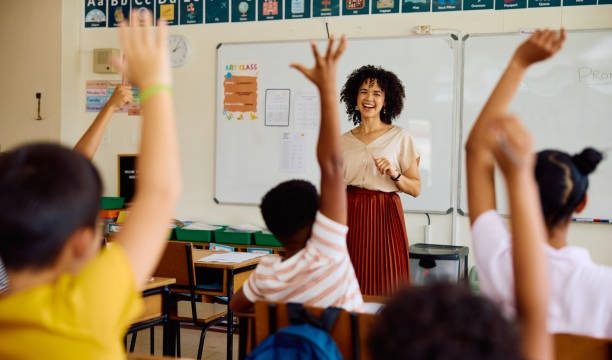
In the world of education, the challenges teachers face are often multifaceted and deeply intertwined with the evolving needs of their students.
Practical training for real teaching challenges is not just a catchphrase; it’s a crucial component of preparing educators to thrive in their roles.
As the landscape of learning continues to shift, so too must the strategies that equip teachers to meet those shifts with confidence and competence.
A small shift toward balance
Teaching is a dynamic profession that demands a balance between various roles—from being a facilitator of knowledge to a mentor and emotional support for students. This multifaceted nature of teaching calls for practical training that goes beyond traditional pedagogical theories. Educators benefit immensely from immersive experiences that allow them to practice what they will preach in real classroom settings.
Workshops, simulations, and peer collaboration can provide the hands-on experience that theoretical training often lacks. For example, role-playing scenarios can help teachers navigate challenging classroom dynamics, allowing them to refine their responses in a safe environment. This kind of practical training fosters a deeper understanding of how to handle real-life situations, whether it’s addressing disruptive behaviors or tailoring lessons to diverse learning styles.
Creating a supportive environment
Another essential aspect of practical training is the focus on creating a supportive environment for both students and teachers. When educators are trained to build a classroom culture that emphasizes respect, inclusivity, and emotional safety, they are better equipped to handle the challenges that arise. Practical training can include strategies for conflict resolution, active listening techniques, and methods for encouraging student voice and choice.
When teachers feel supported in their own professional development, they are more likely to pass that support on to their students. This creates a ripple effect, where a positive classroom environment nurtures student engagement and learning. Training that emphasizes the importance of emotional intelligence in teaching can empower educators to connect with their students on a deeper level, ultimately leading to more effective teaching outcomes.
Navigating technology in the classroom
In today’s digital age, technology is an integral part of the learning experience. However, integrating technology effectively into teaching practices can be daunting. Practical training that focuses on the use of educational technology can ease this transition. By providing educators with hands-on experience in using various tools and platforms, they can learn how to enhance their lessons and engage students in innovative ways.
Moreover, training that emphasizes the importance of digital literacy is vital. Educators must be equipped not only to use technology but also to teach their students how to navigate the digital landscape responsibly. This includes understanding online safety, recognizing credible sources, and developing critical thinking skills in a world saturated with information.
Fostering collaboration among educators
Collaboration among educators is another cornerstone of practical training. When teachers come together to share their experiences, strategies, and challenges, they create a community of support that can be incredibly beneficial. Professional learning communities or collaborative workshops allow educators to learn from one another, providing a platform for exchanging best practices and innovative ideas.
Such collaboration encourages a culture of continuous improvement, where teachers feel empowered to experiment with new approaches in their classrooms. When they see their peers successfully implementing creative strategies, it inspires them to step outside their comfort zones and try new methods. This sense of camaraderie can alleviate the isolation that sometimes comes with the teaching profession, reminding educators that they are part of a larger mission.
Reflecting on practice
Reflection is a powerful tool in any professional’s journey, and for educators, it can be transformative. Practical training should include opportunities for teachers to reflect on their practice, analyze what works and what doesn’t, and make adjustments accordingly. This reflective process can take many forms, from journaling to peer observations and feedback sessions.
By regularly reflecting on their teaching, educators can cultivate a growth mindset that encourages them to embrace challenges as opportunities for learning. This not only enhances their own professional development but also sets a positive example for their students, who can learn the value of self-assessment and continuous improvement.
Embracing diversity in the classroom
As classrooms become increasingly diverse, practical training that emphasizes cultural competence is essential. Educators must be prepared to teach students from various backgrounds, each with their own unique perspectives and experiences. Training that focuses on understanding and embracing diversity can help teachers create an inclusive environment where all students feel valued.
Incorporating diverse perspectives into the curriculum not only enriches the learning experience but also prepares students to thrive in a multicultural world. By equipping educators with the tools to address and celebrate diversity, we empower them to foster a sense of belonging for every student.
Looking ahead with hope
As we consider the future of education, it’s clear that practical training for real teaching challenges is not just beneficial; it’s necessary. The ever-changing landscape of learning requires educators to be adaptable, resourceful, and empathetic. By focusing on hands-on experiences, collaboration, reflection, and inclusivity, we can prepare teachers to navigate the complexities of their roles with confidence.
In this journey, it’s important to remember that teaching is not just a job; it’s a calling. The impact educators have on their students extends far beyond the classroom walls, shaping the leaders and thinkers of tomorrow. By investing in practical training, we are not only supporting teachers; we are nurturing the future of education itself.
As we embrace this approach, let us remain hopeful and committed to creating a supportive and enriching environment for all educators and students alike. The challenges may be real, but with the right training and mindset, the possibilities for growth and success are limitless.