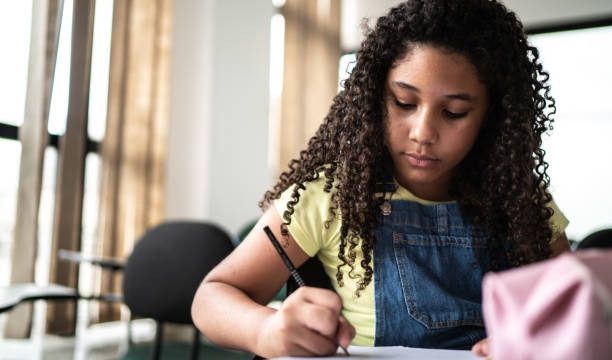
In the delicate ecosystem of a classroom, feedback serves as the gentle breeze that helps nurture growth.
It is a fundamental element that shapes not only the learning experience for students but also the teaching journey for educators.
When thoughtfully given and received, feedback can transform a classroom into a dynamic space of continuous improvement and connection.
The essence of feedback lies in its ability to foster understanding. For students, receiving constructive insights on their work can illuminate pathways to deeper learning. It acts as a mirror, reflecting their strengths while gently guiding them toward areas that may need more attention. This dual perspective helps students build confidence and resilience, essential traits for lifelong learners. When feedback is framed positively, it encourages a growth mindset, allowing students to see challenges as opportunities rather than obstacles.
For educators, feedback is equally crucial. It provides a window into the effectiveness of their teaching methods. Regular reflections on what works and what doesn’t can lead to more engaging and effective instructional strategies. When teachers receive feedback from their peers or supervisors, it can be a catalyst for professional development. This exchange of ideas and experiences creates a culture of collaboration, where educators feel supported in their quest to refine their practice.
Creating a feedback-rich environment requires intention and care. It begins with establishing trust within the classroom. Students need to feel safe and valued, knowing that feedback is not a judgment but rather a tool for growth. When educators approach feedback with empathy, they set a tone that encourages open dialogue. This openness invites students to share their thoughts and feelings about their learning experiences, fostering a sense of ownership over their education.
Incorporating feedback into the classroom can take many forms. It can be as simple as one-on-one conversations, written comments on assignments, or even peer assessments. Each method provides unique insights and opportunities for reflection. For instance, peer feedback can empower students to learn from one another, building a sense of community and shared responsibility for learning. It allows them to articulate their thoughts and critiques, further solidifying their understanding of the material.
Another powerful aspect of feedback is its role in formative assessment. Rather than waiting for the end of a term to evaluate student performance, ongoing feedback allows educators to monitor progress and make adjustments in real time. This continuous loop of assessment and response creates a more fluid learning experience, where students can adapt and grow along the way. It also alleviates the pressure of high-stakes testing, shifting the focus from merely achieving a grade to genuinely understanding the material.
A small shift toward balance can make a significant difference in how feedback is perceived. Instead of solely focusing on areas for improvement, it’s essential to celebrate successes, no matter how small. Acknowledging progress reinforces positive behaviors and motivates students to strive for further achievements. It’s about finding harmony in the feedback process, where encouragement and constructive criticism coexist.
As educators navigate the complexities of feedback, it’s important to remain mindful of their approach. Language matters. A simple shift in wording can change how feedback is received. Phrasing suggestions in a positive light can make students more receptive. Instead of saying, “You didn’t do this correctly,” a gentler approach might be, “Let’s explore this part together; I think you’re close to understanding it.” This subtle difference can open doors to deeper conversations and learning.
Feedback also extends beyond the classroom walls. Engaging with families about their child’s progress fosters a partnership that enriches the educational experience. When parents are informed and involved, they can provide support at home that reinforces classroom learning. Sharing feedback with families highlights the collaborative nature of education, where everyone plays a role in nurturing a child’s growth.
In the journey of education, feedback is not merely an assessment tool; it is a vital component of a thriving learning environment. It allows for reflection, growth, and connection among students and educators alike. As classrooms evolve, embracing the role of feedback can lead to a more enriching experience for all involved.
As we consider the future of education, it becomes increasingly clear that the ability to give and receive feedback effectively will be paramount. It is a skill that students will carry with them into their future endeavors, shaping how they interact with peers and mentors in their personal and professional lives. By cultivating a culture of constructive feedback, we prepare our students not only for academic success but also for meaningful relationships and fulfilling careers.
Ultimately, the role of feedback in classroom improvement is a beautiful dance of communication, understanding, and growth. It encourages a spirit of inquiry and resilience, reminding us that learning is a journey rather than a destination. As we embrace feedback in all its forms, we take steps toward creating classrooms that are not just places of instruction, but vibrant communities of learners. In this nurturing environment, both students and educators can flourish, continually inspired by the possibilities that lie ahead.