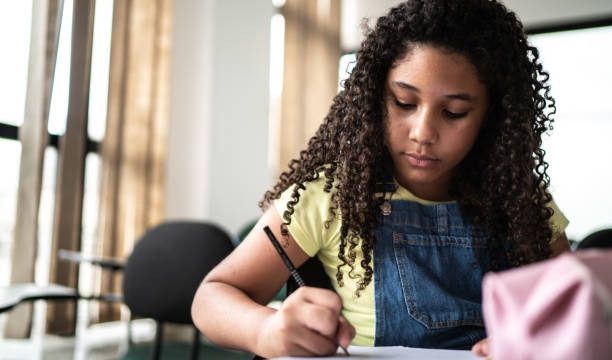
Understanding Classroom Strengths Through Feedback
In the vibrant world of education, classrooms are often viewed as a melting pot of diverse talents, personalities, and learning styles.
Each student brings their own unique strengths to the table, and it is through thoughtful feedback that these strengths can truly shine.
Feedback is not just about pointing out what needs improvement; it is also an opportunity to recognize and celebrate what students do well.
A gentle exploration of feedback can illuminate the path toward a more enriching learning experience. When feedback is approached with care and intention, it becomes a tool for growth, fostering a supportive environment where students feel valued and empowered.
The power of positive reinforcement cannot be overstated. When educators highlight a student’s strengths, they not only boost confidence but also create a sense of belonging in the classroom. This feeling of acceptance encourages students to take risks, engage in discussions, and explore their potential. It’s important for educators to recognize that feedback should be a balance of constructive criticism and positive acknowledgment.
Creating a culture of feedback in the classroom involves building trust. Students need to feel that their educators genuinely care about their progress and well-being. When they perceive feedback as a collaborative effort rather than a one-sided evaluation, they are more likely to embrace it. This relationship fosters an atmosphere where students are willing to share their thoughts and feelings openly, enriching the classroom dialogue.
A small shift toward balance can make a significant impact. Educators can begin by integrating feedback into everyday interactions. Rather than waiting for formal assessments, informal check-ins can provide valuable insights into a student’s understanding and experience. These moments can be as simple as asking a student how they felt about a recent project or what part of the lesson resonated with them. Such conversations not only reveal strengths but also guide educators in tailoring their approach to meet individual needs.
Moreover, peer feedback is a powerful tool that encourages students to engage with one another’s strengths. When students are given the opportunity to share their observations and insights, they learn to value diverse perspectives. This practice not only enhances their critical thinking skills but also nurtures empathy and collaboration. As students learn to appreciate each other’s contributions, they create a supportive network that celebrates collective growth.
Feedback should also be specific and actionable. General praise can feel hollow, whereas targeted feedback helps students understand exactly what they did well and how they can continue to build on those strengths. For instance, instead of simply saying, “Great job on your presentation,” an educator might say, “I loved how you engaged the audience with your storytelling. That really brought your topic to life.” Such specific comments not only validate a student’s effort but also provide a clear roadmap for future endeavors.
Encouraging self-reflection is another essential aspect of understanding classroom strengths through feedback. When students are prompted to think about their own learning experiences, they begin to identify their strengths independently. Educators can guide this process by asking reflective questions that encourage students to consider what they enjoy, what challenges them, and how they can leverage their strengths in different contexts. This practice cultivates a sense of ownership over their learning journey and instills a lifelong love for self-improvement.
As students become more aware of their strengths, they also develop resilience. Feedback, when delivered thoughtfully, helps them see that setbacks are part of the learning process. It teaches them that mistakes are not failures but rather stepping stones toward mastery. When students understand that feedback is meant to help them grow rather than criticize, they become more open to learning and more willing to embrace challenges.
Incorporating feedback into classroom routines can also lead to a more engaged learning environment. When students feel seen and heard, they are more likely to participate actively in discussions and collaborative projects. This engagement not only enriches their learning experience but also strengthens the classroom community as a whole. A vibrant classroom culture, where strengths are acknowledged and nurtured, fosters deeper connections among students and between students and educators.
As educators reflect on their feedback practices, it’s essential to remember that the ultimate goal is to create a supportive and nurturing environment for all students. Each student’s journey is unique, and understanding their strengths is a crucial part of guiding them toward success. By prioritizing feedback that highlights what students do well, educators can inspire a love for learning that lasts a lifetime.
In conclusion, the process of understanding classroom strengths through feedback is a journey that involves compassion, trust, and collaboration. When educators embrace feedback as a tool for growth, they not only illuminate the strengths of their students but also empower them to take charge of their learning. By fostering an environment where strengths are recognized and celebrated, classrooms become more than just places of learning; they transform into nurturing communities where every student can thrive.
As we continue to navigate the ever-evolving landscape of education, let us remember the importance of feedback in shaping not only academic success but also the personal growth of each student. After all, it is in recognizing and nurturing strengths that we pave the way for a brighter, more inclusive future for all learners.