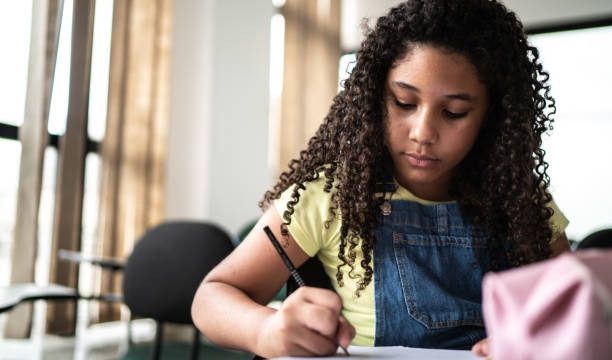
In the ever-evolving world of education, the voices of students are becoming an increasingly vital element in shaping effective learning paths.
The traditional top-down approach to education, where decisions are made by educators and administrators with little input from the very people they are meant to serve, is gradually giving way to a more inclusive model.
This shift is not just a trend; it is a recognition that students, with their unique perspectives and experiences, hold valuable insights that can enhance their educational journeys.
The importance of listening to student voices cannot be overstated. When students feel heard, they are more likely to engage actively in their learning. This engagement leads to a deeper understanding of the material and a greater sense of ownership over their education. By incorporating student feedback into curriculum design, teaching methods, and assessment strategies, schools can create a more responsive and dynamic learning environment.
Creating a culture of open communication is essential in fostering student voices. This begins with establishing safe spaces where students feel comfortable sharing their thoughts and experiences. Whether through classroom discussions, anonymous surveys, or student-led forums, providing various avenues for expression allows students to articulate their needs and preferences. It is in these conversations that educators can uncover what is working and what isn’t, enabling them to tailor their approaches accordingly.
A gentle shift toward collaboration can also yield significant benefits. When teachers and students work together as partners in the learning process, the classroom becomes a vibrant community of shared ideas and mutual respect. Collaborative projects that encourage teamwork and peer feedback can empower students to take an active role in their education. This not only enhances their learning experience but also builds essential life skills such as communication, problem-solving, and critical thinking.
Moreover, embracing diversity in student voices adds richness to the educational landscape. Each student brings a unique background, perspective, and set of experiences to the table. By encouraging contributions from all students, educators can create a more inclusive environment that reflects the varied tapestry of society. This inclusivity not only enriches classroom discussions but also helps students develop empathy and a broader understanding of the world around them.
Listening to student voices also means being responsive to their feedback. When students see that their input leads to tangible changes—whether it’s a shift in teaching methods, the introduction of new resources, or the adjustment of assessment criteria—they feel valued and respected. This responsiveness fosters a sense of community and trust within the classroom, motivating students to continue sharing their thoughts and concerns.
It’s important to recognize that not all feedback will be easy to hear. Students may express dissatisfaction with certain aspects of their education, and while this can be challenging, it is also an opportunity for growth. By approaching such feedback with an open mind and a willingness to adapt, educators can demonstrate their commitment to continuous improvement. This not only enhances the learning experience but also models resilience and adaptability for students.
Incorporating student voices into educational practices can also lead to innovative approaches to learning. When students are encouraged to share their ideas and suggestions, they often come up with creative solutions that educators may not have considered. This can lead to the development of new programs, activities, or even teaching methods that resonate more deeply with students. The result is a more engaging and relevant curriculum that meets the needs of today’s learners.
As we look to the future of education, the role of technology cannot be overlooked. Digital platforms can serve as powerful tools for amplifying student voices. Online forums, blogs, and social media can provide students with additional channels to express their thoughts and share their experiences. These platforms can also facilitate connections between students and educators, allowing for ongoing dialogue and collaboration beyond the classroom walls.
A nurturing approach to integrating student voices into learning paths also involves recognizing the challenges that students face. Many students may feel hesitant to speak up due to fear of judgment or a lack of confidence. It’s essential for educators to create an atmosphere of encouragement, where every voice is valued and every opinion matters. By actively seeking out quieter students and inviting them to share, teachers can help cultivate a more balanced and inclusive dialogue.
Ultimately, the goal of using student voices to improve learning paths is to create an educational experience that is not only effective but also joyful. When students are actively involved in shaping their learning, they are more likely to feel a sense of belonging and purpose. This connection can lead to higher levels of motivation and achievement, setting them on a path toward lifelong learning.
In conclusion, the journey toward a more student-centered approach in education is one that requires patience, openness, and a willingness to listen. By valuing the voices of students and integrating their feedback into the educational process, we can create a more dynamic and responsive learning environment. This collaborative spirit not only enhances academic outcomes but also nurtures the whole student, preparing them for a future where they can thrive both inside and outside the classroom. As we embrace this shift, we take a step closer to realizing the full potential of education—one that is truly reflective of the needs and aspirations of all students.