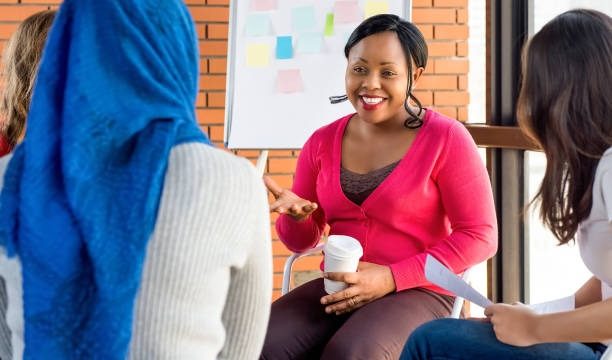
Encouraging respectful dialogue with students is a fundamental aspect of fostering a positive and productive learning environment.
In today’s diverse classrooms, where students come from various backgrounds and hold different perspectives, the ability to engage in meaningful conversations is more important than ever.
Creating a culture of respect not only enhances the educational experience but also prepares students for interactions in their future personal and professional lives.
The foundation of respectful dialogue begins with the recognition that every voice matters. When students feel valued and heard, they are more likely to engage openly in discussions. This sense of belonging can be cultivated through simple yet impactful practices. One effective approach is to encourage students to share their thoughts and experiences. This can be as straightforward as starting class with a question that invites personal reflection or allowing time for students to express their opinions on a topic before diving deeper into the material.
A small shift toward balance can make a significant difference in how students communicate with one another. As educators, modeling respectful dialogue is essential. Demonstrating active listening—where one truly hears what the other is saying—sets a powerful example. This involves not just waiting for one’s turn to speak, but genuinely engaging with the speaker’s ideas. By acknowledging the contributions of each student, educators can help create an atmosphere where everyone feels comfortable sharing.
It’s also important to establish ground rules for discussions. Guidelines that promote respect, such as agreeing to disagree or refraining from interrupting, can help maintain a constructive tone. These rules should be co-created with students, giving them ownership of the classroom norms. When students have a say in the expectations, they are more likely to adhere to them, fostering a sense of responsibility towards one another.
Encouraging critical thinking is another vital component of respectful dialogue. Teaching students to analyze and assess different viewpoints helps them articulate their thoughts more clearly and respectfully. This can be achieved through structured debates or group discussions, where students are challenged to consider opposing perspectives. By framing these activities as opportunities for growth rather than competition, students learn that differing opinions can coexist without conflict.
Creating a safe space for dialogue is equally important. Students must feel assured that they can share their thoughts without fear of judgment or backlash. This can be nurtured by being responsive to students’ needs and concerns. Regular check-ins, whether through informal conversations or more structured feedback sessions, can help educators gauge the emotional climate of the classroom. When students know they have a supportive environment, they are more likely to engage in open and honest discussions.
Incorporating diverse materials into the curriculum can also enhance respectful dialogue. Literature, articles, and multimedia resources that reflect a variety of perspectives can serve as springboards for discussion. By exposing students to a range of ideas and experiences, educators can encourage them to think critically about their own beliefs and the beliefs of others. This not only enriches classroom discussions but also fosters empathy and understanding among students.
Encouraging students to practice self-reflection further supports respectful dialogue. When students take the time to consider their own biases and assumptions, they become more aware of how these may influence their interactions with others. Journaling or guided reflections can be effective tools for this purpose. By providing opportunities for self-exploration, educators can help students develop a deeper understanding of themselves and their communication styles.
As students engage in respectful dialogue, it is essential to celebrate their efforts. Recognizing instances of thoughtful communication and collaboration reinforces positive behavior. Whether through verbal praise, written feedback, or class discussions about successful interactions, acknowledging students’ growth encourages them to continue practicing respectful dialogue.
Moreover, parents and guardians play a crucial role in this process. Open lines of communication between educators and families can extend the principles of respectful dialogue beyond the classroom. Sharing insights and strategies with parents can empower them to model similar behaviors at home, creating a consistent environment that values respectful communication.
Ultimately, fostering respectful dialogue in educational settings is about nurturing relationships. As students learn to communicate effectively and compassionately, they build connections that extend beyond academic subjects. These skills will serve them well in their future endeavors, equipping them to navigate the complexities of the world with grace and understanding.
In conclusion, the journey toward encouraging respectful dialogue with students is a continuous one, marked by patience, practice, and persistence. By creating an environment where every voice is valued, modeling respectful communication, and promoting critical thinking, educators can cultivate a culture of dialogue that enriches the learning experience. As students learn to engage thoughtfully with one another, they not only enhance their educational journey but also contribute to a more respectful and understanding world. Embracing this approach can lead to a classroom atmosphere that thrives on collaboration, empathy, and mutual respect, preparing students to become engaged, thoughtful citizens in a diverse society.