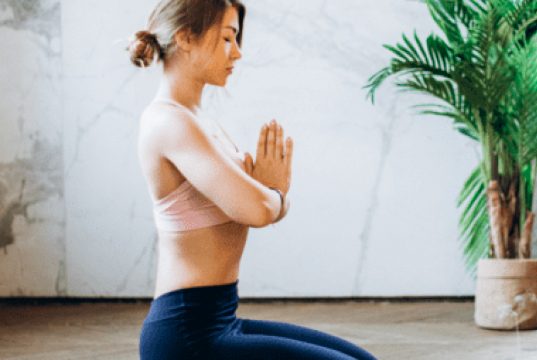
Living an active lifestyle is more than just exercising or going to the gym.
It is a mindset that embraces movement, balance, and overall well-being as part of daily life.
An active lifestyle supports physical health, mental clarity, and emotional resilience, creating a foundation for a more fulfilling and energetic life.
The good news is that living actively does not require extreme routines or specialized equipment; it begins with consistent, mindful habits that encourage the body to move, strengthen, and adapt safely over time. By approaching activity with intention and balance, anyone can enjoy the benefits of a vibrant, active lifestyle.
One of the key aspects of an active lifestyle is finding movement that you genuinely enjoy. Exercise is most sustainable when it feels rewarding rather than burdensome. Walking through your neighborhood, swimming in a local pool, cycling, dancing, or practicing yoga are all forms of movement that can contribute to fitness and enjoyment. Engaging in activities that feel fun encourages consistency, making it easier to incorporate movement naturally into daily routines. Enjoyable activities not only improve physical health but also promote positive mental and emotional states.
Integrating movement into daily routines is another practical way to live actively. Small choices, such as taking the stairs instead of the elevator, walking or biking to nearby destinations, or performing light stretches during breaks, add up over time. Even simple adjustments, like standing while talking on the phone or doing gentle leg exercises while watching television, contribute to overall activity levels. By viewing movement as a natural part of life rather than a separate obligation, staying active becomes easier, more sustainable, and less intimidating.
Strengthening the body is an important component of an active lifestyle. Strong muscles and joints not only improve performance but also prevent injuries and support daily function. Incorporating resistance exercises such as squats, lunges, push-ups, or using resistance bands enhances endurance and stability. Strength training can be adapted to all fitness levels and does not require elaborate equipment. Building strength complements cardiovascular activity, allowing the body to handle everyday tasks more efficiently and with less fatigue.
Flexibility and mobility are equally essential. Flexible muscles and mobile joints enable a greater range of motion, better posture, and smoother movement. Stretching routines, yoga, or simple mobility exercises help prevent stiffness, reduce the risk of strains, and make daily activities more comfortable. Flexibility also enhances performance in other physical activities by allowing the body to move efficiently and adapt to various demands. Even a few minutes of stretching each day can yield noticeable improvements over time.
Balance and coordination are often overlooked but are vital for living actively. Good balance reduces the risk of falls and allows for more controlled movements during exercise or daily tasks. Simple activities such as standing on one foot, practicing slow turns, or using stability-focused exercises improve coordination and strengthen stabilizing muscles. Improved balance enhances confidence in movement and contributes to overall safety, making an active lifestyle both enjoyable and sustainable.
Cardiovascular health is a cornerstone of an active lifestyle. Activities that elevate the heart rate, such as brisk walking, cycling, swimming, or aerobic classes, support heart and lung function, increase stamina, and improve energy levels. Cardiovascular exercise does not need to be high-intensity to be effective. Consistency, duration, and incorporating movement into daily routines are more important than extreme effort. Gradually increasing activity levels helps the body adapt safely while building endurance and promoting long-term health.
Listening to the body is a crucial habit for anyone seeking an active lifestyle. Pain, discomfort, or fatigue are signals that the body needs rest, adjustment, or recovery. Ignoring these signs can lead to overuse injuries or prolonged soreness. Scheduling rest days, incorporating gentle activity during recovery periods, and modifying intensity when needed ensures that the body remains resilient and capable of sustaining regular activity. Mindful attention to how the body feels promotes safer, more effective engagement in all types of movement.
Hydration and nutrition play supporting roles in an active lifestyle. Water is essential for muscle function, joint lubrication, and overall energy, while a balanced diet fuels activity and aids recovery. Consuming nutrient-rich foods, including lean proteins, healthy fats, complex carbohydrates, and plenty of fruits and vegetables, supports both performance and well-being. Proper hydration and nutrition enhance stamina, reduce fatigue, and help the body respond to the demands of daily movement.
Mental focus and motivation are integral to sustaining an active lifestyle. Setting realistic goals, celebrating progress, and tracking achievements reinforce positive habits. Mindfulness during activity, such as paying attention to posture, breathing, and movement patterns, enhances efficiency and reduces the risk of injury. Mental engagement makes activity more rewarding, encouraging consistency and creating a positive feedback loop that strengthens both physical and emotional resilience.
Rest and recovery are as important as active movement. Sleep, gentle stretching, and relaxation techniques allow muscles and joints to repair, reduce fatigue, and restore energy. Adequate rest prevents overtraining, supports immune function, and maintains mental clarity. Incorporating recovery into an active lifestyle ensures that the body can continue performing optimally and reduces the risk of burnout or injury.
Social engagement can also enhance an active lifestyle. Exercising with friends, joining group classes, or participating in recreational sports adds a social dimension that promotes accountability, enjoyment, and motivation. Sharing movement with others creates a sense of community, provides encouragement, and makes physical activity feel more rewarding. Social interaction reinforces healthy habits and contributes to overall emotional well-being.
Adapting activity to personal ability and life circumstances is key for long-term sustainability. Not every activity is suitable for all fitness levels, and it is important to tailor routines to individual needs. Modifying exercises, using supportive tools, or gradually increasing intensity allows for safe progression. Being flexible with routines and adjusting based on energy levels, health conditions, or time availability ensures that movement remains consistent, enjoyable, and injury-free.
Safety measures, including wearing appropriate footwear, using proper equipment, and practicing correct techniques, enhance comfort and reduce the risk of accidents. Paying attention to the environment, such as avoiding slippery surfaces, ensuring adequate lighting, and clearing obstacles, supports safe engagement in all activities. Simple precautions protect the body while encouraging confidence in movement.
Finally, embracing an active lifestyle is a mindset that combines consistency, mindfulness, and enjoyment. It is not about perfection or extreme routines; it is about integrating movement into daily life in ways that are practical, enjoyable, and sustainable. Small, consistent steps—whether taking short walks, doing light stretching, or performing daily household tasks with awareness—accumulate over time to produce meaningful improvements in health, mobility, and overall well-being.
In conclusion, living your best active lifestyle involves a combination of thoughtful habits, consistent movement, and mindful care for the body. Engaging in enjoyable activities, strengthening muscles, improving flexibility, enhancing balance, maintaining cardiovascular health, listening to the body, staying hydrated and nourished, prioritizing rest, fostering social engagement, and practicing safety all contribute to a sustainable approach to activity. By approaching movement with intention and balance, individuals can experience increased energy, improved physical and mental health, and a sense of confidence in daily life. An active lifestyle is accessible to everyone and can be tailored to suit individual preferences, abilities, and goals, creating a foundation for a long, healthy, and fulfilling life.