Practicing stable and comfortable posture is not about forcing the body into stiff positions or striving for perfection.
It is about learning how to support yourself with ease so that everyday activities feel smoother and less tiring.
When posture feels natural, it can quietly improve how you move, breathe, and focus throughout the day.
With a gentle and patient approach, posture becomes a helpful companion rather than something to constantly correct.
Many people think of posture as something you must hold all the time, but in reality, it is a dynamic process. Your body is designed to move, adjust, and respond to different situations. Stable posture simply means that your body feels balanced and supported while allowing small movements. Comfortable posture means you can maintain that balance without tension or strain. When these two ideas work together, posture begins to feel sustainable instead of exhausting.
A helpful place to begin is awareness. Without judging yourself, start noticing how you usually sit, stand, or walk. Pay attention to areas where you tend to tense up, such as the shoulders, neck, or lower back. Awareness alone can bring small changes, because the body often adjusts naturally once it is noticed. This gentle observation builds a foundation for improvement without pressure.
Breathing plays an important role in stable posture. When breathing is shallow or rushed, the body often tightens in response. Taking calm, steady breaths encourages the chest, ribs, and abdomen to move freely, which supports a more upright and relaxed position. Allowing the breath to flow naturally can help the spine feel longer and more supported without effort.
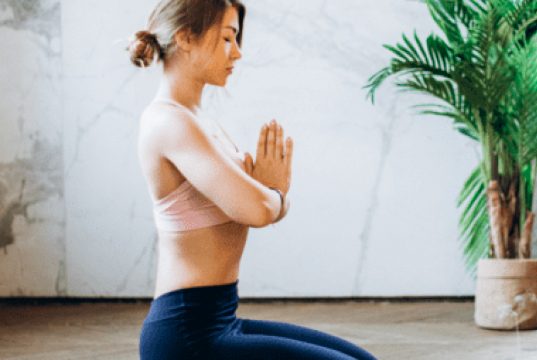
When sitting, comfort starts with how you connect to the surface beneath you. Allow your weight to rest evenly instead of leaning heavily to one side. Let your feet rest comfortably on the floor if possible, giving your legs a sense of support. Your spine can rise gently from this stable base, with the head balanced lightly on top rather than pushed forward or pulled back. Small adjustments like these can make sitting feel more natural over time.
Standing posture also benefits from a sense of balance rather than rigidity. Imagine your weight evenly distributed between both feet, with the body gently stacked from the ground up. The knees can stay soft instead of locked, allowing subtle movement. When the body feels supported from below, the upper body often relaxes on its own, making standing more comfortable for longer periods.
Movement is an important part of maintaining stable posture throughout the day. Even the most comfortable position can feel tiring if held for too long. Shifting your weight, stretching lightly, or changing positions helps refresh the muscles and joints. These small movements prevent stiffness and remind the body that posture is flexible, not fixed.
Daily activities provide many opportunities to practice comfortable posture. Simple actions like reaching for objects, walking, or using electronic devices can be done with awareness. Keeping movements smooth and unhurried reduces unnecessary strain. Over time, these mindful habits can blend into your routine without requiring extra effort.
Mental state also influences posture more than many people realize. Stress or distraction often shows up as tension in the body. Taking short moments to pause, breathe, and reset can help release that tension. When the mind feels calmer, the body often follows by settling into a more balanced and comfortable position.
It is helpful to be kind to yourself while practicing posture. There will be moments when you forget or feel uncomfortable, and that is completely normal. Instead of correcting harshly, gently guide yourself back to a position that feels supportive. This approach builds trust between you and your body, making improvement feel encouraging rather than discouraging.
Comfortable posture can change depending on the situation, and that flexibility is a strength. What feels right while sitting may not be the same as what feels right while standing or walking. Listening to your body’s signals allows you to adjust naturally. Over time, this responsiveness helps you maintain stability in a wide range of daily activities.
Rest and recovery also support better posture. When the body is well-rested, muscles are more responsive and balanced. Creating a comfortable sleep environment and allowing time for relaxation can make it easier to maintain posture during waking hours. Small habits that support overall comfort often have a positive effect on how you hold yourself.
Practicing stable and comfortable posture is not about achieving a perfect shape. It is about developing a friendly relationship with your body and learning how to support it throughout the day. With patience, awareness, and gentle movement, posture can become something that feels natural and helpful rather than something to constantly think about.
As these habits grow, you may notice that everyday activities feel a little easier and more fluid. The body begins to work with you instead of against you. By focusing on comfort, balance, and gentle awareness, you can practice posture in a way that supports both physical ease and a calmer state of mind. Over time, this simple and friendly approach can make posture an effortless part of your daily life.