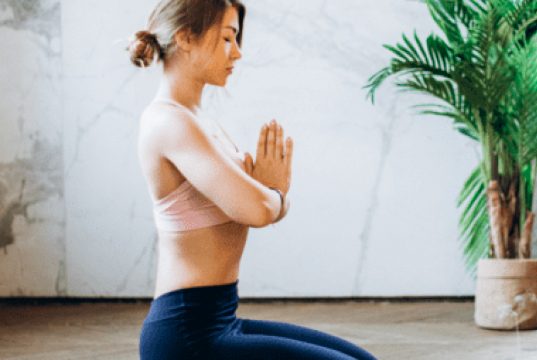
Posture is more than just the way you sit, stand, or move; it is a key factor in overall comfort, physical health, and mental well-being.
Many people experience tension, fatigue, or discomfort due to poor posture, whether at a desk, while standing, or during physical activity.
Learning to recognize posture habits and making small, thoughtful adjustments can significantly reduce muscle strain, improve circulation, and even enhance mood.
Understanding how posture affects the body and practicing mindful adjustments allows individuals to feel lighter, more balanced, and less tense throughout the day.
One of the most common sources of tension comes from prolonged sitting. Many jobs, hobbies, or leisure activities involve sitting for extended periods, often with the body leaning forward, shoulders rounded, and head pushed toward a screen or surface. This position places stress on the neck, shoulders, and lower back. Small adjustments, such as sitting with the spine upright, shoulders relaxed, and feet flat on the floor, can relieve pressure on these areas. A chair that supports the natural curve of the lower back further encourages proper alignment, making it easier to maintain a comfortable posture.
Standing posture is equally important for reducing tension. When standing, distributing weight evenly on both feet and keeping knees slightly bent helps prevent stiffness in the legs, hips, and lower back. Engaging the core muscles lightly supports the spine and reduces strain on surrounding muscles. Relaxed shoulders and an open chest not only improve balance but also allow for easier breathing, which contributes to a sense of calm and reduced muscular tension. Awareness of standing posture throughout the day helps prevent cumulative stress that can lead to discomfort and fatigue.
During physical activity, posture plays a critical role in both performance and comfort. Whether walking, running, cycling, or practicing yoga, the alignment of the head, neck, shoulders, and spine affects the efficiency of movement and the risk of muscle tension. Keeping the head aligned over the shoulders and the shoulders aligned over the hips distributes weight evenly and prevents overuse of specific muscles. Gentle engagement of the core supports the back and improves balance. Paying attention to posture while moving enhances body awareness, reduces tension, and allows the activity to feel more fluid and natural.
Breathing and posture are closely linked. Slouched or compressed postures can restrict the diaphragm and limit the depth of breathing, contributing to a sense of tension or anxiety. Sitting or standing upright with the chest open allows for fuller, deeper breaths, which supply more oxygen to the body and help relax tight muscles. Practicing mindful breathing in alignment with posture adjustments can reduce both physical and mental tension, fostering a sense of calm and clarity.
Ergonomic adjustments in daily environments further support posture and reduce tension. At workstations, adjusting the height of desks, chairs, and screens to align with the natural line of sight and arm position prevents strain. Using footrests or adjusting seating angles can help maintain proper spinal alignment. When performing household tasks, maintaining a neutral spine while lifting, bending, or reaching prevents unnecessary pressure on muscles and joints. Small environmental tweaks combined with conscious posture awareness create lasting benefits for comfort and tension reduction.
Micro-adjustments throughout the day also play a significant role in maintaining relaxed posture. Shifting weight, stretching, or standing briefly every hour can prevent stiffness and cumulative muscle tension. Rotating the shoulders, gently stretching the neck, or rolling the wrists relieves built-up tension from repetitive movements or static positions. Even short breaks for mindful posture alignment help the body stay balanced, energized, and less prone to aches or fatigue.
Mindfulness enhances posture awareness and tension reduction. Paying attention to how the body feels, noticing areas of tightness, and consciously releasing tension encourages healthier movement patterns. Visualization techniques, such as imagining a string gently lifting the top of the head toward the ceiling, can help elongate the spine and correct slouching. Combining mindful observation with practical adjustments builds a habit of checking posture regularly, which gradually reduces strain and promotes overall well-being.
Stretching and strengthening exercises complement posture adjustments. Stretching tight areas, such as the chest, shoulders, hip flexors, and hamstrings, allows for more natural alignment. Strengthening the core, back, and shoulder muscles provides support for the spine and helps maintain upright posture throughout daily activities. Incorporating brief exercises or stretches into the routine enhances flexibility and resilience, making it easier to maintain tension-free posture even during long periods of sitting or standing.
Technology can both challenge and support posture. Smartphones, tablets, and laptops often encourage forward head posture and rounded shoulders, leading to neck and upper back tension. Awareness of device use, holding devices at eye level, and taking frequent breaks can reduce strain. On the other hand, ergonomic accessories, posture-correcting chairs, or wearable reminders can provide support and guidance. Balancing technology use with conscious posture habits prevents tension from accumulating over time.
Posture also influences mood and mental clarity. Upright, open positions encourage a sense of confidence, alertness, and calm, while slouched or compressed postures may increase feelings of fatigue, stress, or tension. Adjusting posture consciously can improve not only physical comfort but also mental and emotional state. Standing or sitting tall during moments of focus or challenge can boost confidence and reduce the perception of stress, creating a holistic benefit from proper alignment.
Proper head and neck alignment is essential to reduce tension in the upper body. Keeping the ears aligned with the shoulders prevents forward head strain, which is a common source of headaches and neck tightness. Relaxing the jaw and avoiding clenching further alleviates tension. Gentle stretches for the neck, along with awareness of head position during work or exercise, reduce muscular stress and encourage a sense of ease in the upper body.
Lower back care complements posture adjustments in tension reduction. Supporting the natural curve of the spine with ergonomic chairs, cushions, or lumbar rolls prevents slumping and the associated discomfort. Maintaining a neutral pelvic position while sitting or standing distributes weight evenly and reduces pressure on muscles and ligaments. Gentle stretching and strengthening of the lower back, hips, and glutes enhance alignment and resilience, making it easier to maintain posture without fatigue or strain.
Habit formation is critical for long-term benefits. Small, consistent adjustments build awareness and reinforce healthy posture practices. Setting reminders, taking brief posture breaks, or integrating posture-focused stretches into daily routines helps maintain alignment throughout various activities. Over time, these habits reduce muscle tension, improve balance, and enhance overall comfort, making posture awareness a natural and effortless part of daily life.
Ultimately, reducing tension through posture adjustments is a combination of awareness, mindfulness, and proactive care. Paying attention to how the body feels, making small modifications, and integrating supportive exercises create lasting improvements in comfort, mobility, and well-being. Proper posture enhances breathing, circulation, and energy flow, reducing stress and fatigue while supporting both physical and mental health.
By approaching posture thoughtfully, individuals can prevent common sources of tension and discomfort, whether at work, home, or during physical activity. Simple adjustments, combined with mindfulness, stretching, and strengthening, allow the body to maintain balance, ease, and resilience. Learning to recognize posture habits and responding with conscious alignment not only improves comfort but also encourages a more confident and relaxed state of being.
Focusing on posture is a practical, effective, and accessible way to reduce tension throughout the day. By creating awareness, practicing small adjustments, and supporting the body through exercises and environment optimization, individuals can enjoy a lighter, more comfortable experience in every activity. Reducing tension through posture not only benefits the body but also promotes a sense of calm, focus, and well-being that extends into daily life.