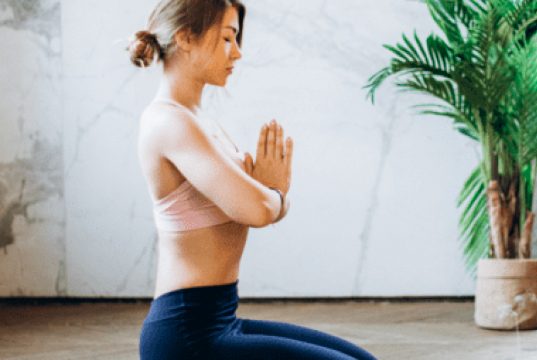
Relaxation is often thought of as a mental state, a way to unwind after a busy day or a pause in a hectic schedule.
While the mind plays a central role in feeling calm, the body has an equally important influence.
Proper posture can significantly enhance relaxation, reducing tension in muscles, improving circulation, and allowing the body to feel balanced and at ease.
Staying relaxed with proper posture is not about forcing the body into a rigid position or striving for perfection. It is about finding natural alignment that supports comfort and well-being, and integrating small adjustments and mindful habits throughout the day.
Awareness is the first step toward combining posture with relaxation. Many people carry tension without realizing it, whether in the shoulders, neck, back, or hips. By taking a moment to notice how the body feels while sitting, standing, or lying down, you can identify areas that may be creating unnecessary strain. Awareness is gentle observation rather than criticism. Recognizing that the shoulders are creeping forward, the spine is slumping, or the head is jutting ahead allows you to make subtle adjustments that promote comfort. These small changes encourage a sense of balance and ease, which is the foundation of relaxation.
Supporting the spine is central to both posture and relaxation. The spine has natural curves that provide strength and flexibility. Maintaining these curves without forcing them allows the body to carry its weight efficiently. When sitting, the pelvis should rest neutrally on the chair, with the lower back supported by the chair or a small cushion. Feet should rest flat on the floor, providing stability. When standing, distributing weight evenly on both feet and keeping knees slightly soft reduces tension in the lower back and hips. A supported spine creates a foundation for the body to feel light, balanced, and relaxed.
The head and neck are often the first areas to show tension when the body is out of alignment. Forward head posture, where the chin juts ahead of the shoulders, can create discomfort in the neck and upper back. Aligning the head over the shoulders helps the muscles work in balance, reducing strain. A helpful visual is imagining the crown of the head gently floating upward while keeping the chin slightly tucked. This encourages length in the neck and allows the shoulders to drop naturally. When the head is supported in this way, breathing becomes easier, circulation improves, and the body naturally relaxes.
Shoulder position also contributes to relaxation. Rounded or elevated shoulders can create tension that spreads into the neck, upper back, and even the arms. Letting the shoulders settle downward and slightly back opens the chest and allows muscles to release. Gentle shoulder rolls or stretches can complement this alignment, easing stiffness and promoting a sense of lightness. Relaxed shoulders support the spine and neck, making it easier to maintain a posture that feels calm and effortless.
Breathing plays a subtle but essential role in connecting posture with relaxation. Slouched or tense positions often lead to shallow breathing, which can increase stress and reduce energy. Sitting or standing in an upright, supported position allows the ribcage to expand fully. Slow, deep breaths encourage the diaphragm to move naturally, relax the muscles around the torso, and lengthen the spine. Exhaling gently releases tension in the shoulders, neck, and back. By coordinating posture with mindful breathing, the body and mind enter a state of calm that enhances both comfort and focus.
Movement is another way to reinforce relaxation through proper posture. Even brief shifts or stretches can reduce stiffness and improve circulation. Standing up from a seated position, gently twisting the torso, or lifting the arms overhead can reset alignment and ease tension. Simple stretches for the chest, shoulders, back, and neck keep muscles supple and joints mobile. These movements do not need to be vigorous; they are most effective when slow, deliberate, and paired with awareness of the body. Regular movement allows the body to maintain comfort while staying relaxed, even during periods of focused work or leisure.
Ergonomics also affect the ability to stay relaxed. Chairs, desks, screens, and other work or leisure setups influence how the body holds itself. A supportive chair, a monitor at eye level, and objects within easy reach reduce the need for slouching or leaning. Even small adjustments, like propping a book at a comfortable height or supporting the lower back with a cushion, make maintaining relaxed posture easier. Thoughtful environments allow the body to stay aligned without constant effort, so relaxation becomes more natural and sustainable.
The hips and legs play a surprising role in overall relaxation and posture. Tight hips or uneven weight distribution can pull on the spine, creating tension that travels upward. Sitting with both feet on the floor, alternating cross-legged positions occasionally, or standing with weight balanced on both legs helps release stress in the lower body. Gentle hip stretches or mobility exercises can further support long-term comfort. When the lower body is stable and relaxed, the upper body can settle more easily, reinforcing a posture that encourages calm.
Resting and leisure activities benefit greatly from proper posture. Even when lying down or reclining, alignment matters. Supporting the natural curve of the spine with a pillow beneath the lower back or knees, keeping the neck neutral with a small cushion, and avoiding positions that twist or compress muscles allows the body to rest fully. Proper support during rest enhances recovery, reduces stiffness, and strengthens the foundation for relaxed posture during active periods.
Mindfulness enhances the relationship between posture and relaxation. Checking in with the body periodically, noticing tension, and responding with small adjustments cultivates a cooperative approach to alignment. These moments of awareness do not interrupt activity; they integrate seamlessly into daily routines. Over time, the body learns to maintain relaxed posture almost automatically, reducing the need for conscious effort while enhancing comfort and calm.
Comfort, rather than rigid perfection, is the goal when combining posture with relaxation. Trying to force a posture that feels unnatural can increase tension rather than release it. Proper posture supports the body’s natural curves, allows muscles to engage efficiently, and provides balance that minimizes effort. By prioritizing comfort, the body can maintain alignment in a way that feels effortless and rejuvenating, rather than stressful or tiring.
Consistency matters when developing relaxed posture. Small adjustments made regularly throughout the day, combined with mindful breathing, gentle movement, and ergonomic support, gradually build habits that reinforce comfort. Over time, these practices help the body carry itself naturally, reducing fatigue and enhancing energy. Relaxation and proper posture become interconnected, creating a foundation for calm, focus, and ease in every activity.
The benefits of staying relaxed with proper posture extend beyond immediate comfort. Improved posture supports better breathing, enhances circulation, reduces muscle tension, and promotes overall well-being. By keeping the spine, neck, and shoulders aligned, the body experiences less strain and greater efficiency. This, in turn, reduces stress on the joints and muscles, allowing the mind to feel more at ease. Proper posture becomes a subtle but powerful tool for creating a balanced, relaxed state in daily life.
Ultimately, staying relaxed with proper posture is a gentle practice that combines awareness, support, breathing, movement, and environmental considerations. It is about listening to the body, making small adjustments, and integrating habits that encourage natural alignment. Over time, these practices allow the body to maintain calm and comfort effortlessly, enhancing both physical well-being and mental clarity. By approaching posture as a supportive partner in relaxation rather than a rigid requirement, it becomes a source of comfort, stability, and calm that benefits every part of life.