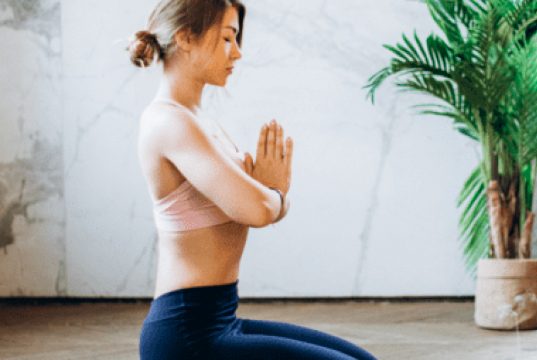
Starting a journey toward better posture and body alignment can feel intimidating.
Many beginners imagine strict rules, rigid positions, or complex exercises that require perfect form.
The truth is that gentle alignment practices do not have to be complicated or exhausting. They are about developing awareness, easing tension, and allowing the body to find natural balance. By approaching alignment with kindness and patience, beginners can build a strong foundation for comfort, stability, and overall well-being.
The first step in gentle alignment is cultivating awareness of the body. This does not mean judging or correcting every posture flaw, but simply noticing how you feel in different positions. Paying attention to areas of tension, stiffness, or discomfort can reveal patterns that may be improved gradually. For example, you might notice that your shoulders round forward while sitting at a desk, or that your lower back feels compressed after standing for a long time. Observing these sensations is the first step in making thoughtful adjustments without forcing the body.
Breath is a subtle but powerful tool for gentle alignment. Shallow breathing often accompanies slouched or tight positions, while full, relaxed breaths encourage openness and ease. Beginners can practice noticing the rise and fall of the chest and abdomen, allowing breath to support the spine naturally. When the body is supported by breath, the alignment becomes more effortless, and movement feels smoother. This gentle rhythm helps the muscles relax while maintaining a sense of length and support throughout the torso.
A key element of alignment is posture that supports the natural curves of the spine. For beginners, it can be helpful to think in terms of stacking rather than straightening. Imagine the head balancing lightly above the shoulders, the shoulders aligning over the hips, and the hips over the knees and feet. This concept emphasizes balance and comfort rather than rigidity. Even small adjustments, like softening the shoulders or slightly tucking the chin, can create a noticeable improvement in how the body feels.
Movement is integral to gentle alignment. Staying in one position for too long often leads to tension and discomfort. Beginners can benefit from incorporating small, mindful movements throughout the day. Shifting weight while standing, stretching arms overhead, gently rotating the torso, or rolling the shoulders can keep muscles active and responsive. These movements do not need to be intense; even subtle motions help the body discover its natural range and maintain flexibility while reinforcing good alignment habits.
Using support when needed is an important aspect of beginner-friendly practices. Chairs, cushions, and rolled towels can provide extra assistance for maintaining comfortable alignment. For instance, a small cushion behind the lower back while sitting can help maintain the natural curve of the spine, while a folded blanket under the knees during floor exercises can reduce strain. These supports allow beginners to practice alignment without pushing the body beyond its current capacity, making the experience safe and sustainable.
Environmental awareness also contributes to gentle alignment. Adjusting the height of work surfaces, positioning screens at eye level, or ensuring that seating supports the feet and lower body can reduce the need for excessive muscle effort. When the environment complements the body, alignment becomes easier and more intuitive. Simple arrangements that encourage comfort can prevent fatigue and promote consistent, mindful posture throughout the day.
Mindfulness plays a central role in these practices. Gentle alignment is not about constant correction but about being present in your body. Beginners can check in periodically, noticing tension points, adjusting softly, and reconnecting with breath. This mindful approach fosters a supportive relationship with the body, transforming alignment from a chore into an enjoyable, restorative practice. Over time, these small moments of attention reinforce healthy habits and improve overall posture naturally.
Core awareness is another helpful focus. The muscles around the abdomen and lower back provide crucial support for the spine. Beginners can practice engaging these muscles lightly, without tightening excessively, to create a sense of stability. This engagement helps maintain alignment during sitting, standing, or movement. The goal is gentle support rather than holding a rigid position, allowing the body to remain both strong and relaxed.
Foot positioning and weight distribution are subtle yet impactful elements of alignment. Standing with weight evenly balanced on both feet, keeping knees soft, and allowing a natural stance encourages stability and prevents strain. While seated, grounding the feet firmly on the floor supports upright posture without forcing the spine. These small details create a foundation that enables the body to align effortlessly and move fluidly throughout the day.
Progress in gentle alignment comes gradually. Beginners are encouraged to set realistic expectations and focus on consistency rather than perfection. Each day presents opportunities to practice awareness, breath, movement, and support. Small adjustments, repeated gently over time, lead to noticeable improvements in posture, comfort, and overall body awareness. This patient approach prevents frustration and reinforces the idea that alignment is a journey, not a destination.
Integrating gentle stretching into daily routines further supports alignment. Simple stretches for the neck, shoulders, chest, and hips can release tension and improve mobility. These stretches do not need to be deep or forceful; even mild extension and opening can encourage better posture and ease in movement. Over time, the body becomes more flexible, making it easier to maintain alignment without conscious effort.
Finally, cultivating a compassionate mindset is essential. Gentle alignment practices are not about achieving a perfect posture or comparing yourself to others. They are about noticing your body, responding to its needs, and creating space for comfort and ease. When approached with patience and care, these practices foster a sense of balance, reduce strain, and enhance overall well-being.
Gentle alignment for beginners is an ongoing practice of awareness, movement, breath, and support. It emphasizes ease over effort and encourages the body to find its natural balance. By integrating small, thoughtful habits into daily life, beginners can develop a posture that supports comfort, stability, and freedom of movement. Over time, these practices lead to improved body awareness, reduced tension, and a more harmonious connection between mind and body, laying the foundation for a healthier and more comfortable way of living.